
Plant
Broom Fork-moss
Dicranum scopariumAlso known as Broom Moss, Broom Dicranum Moss, Windswept Moss
Broom fork-moss forms glossy, yellow-green cushions across shaded forest floors, decaying logs, and damp rock outcrops. Its common name stems from the narrow, tapering leaves that curve uniformly to one side, giving each stem a windswept appearance. Birds frequently harvest clumps of these soft shoots to line their nests, while small invertebrates seek shelter within the damp mat.
Forest FloorWindswept LookSpore Bearing
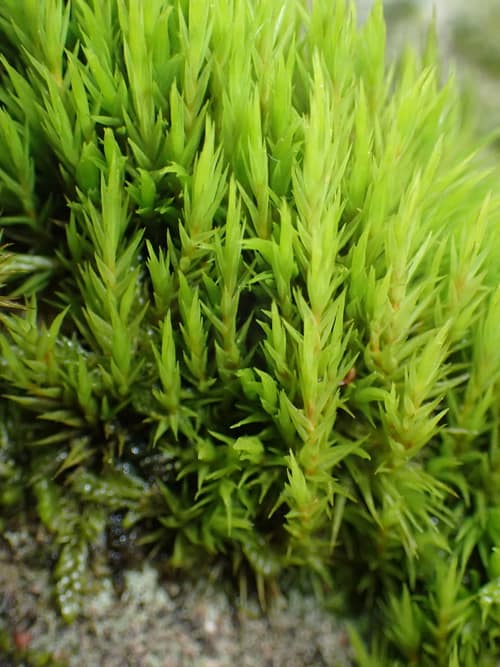
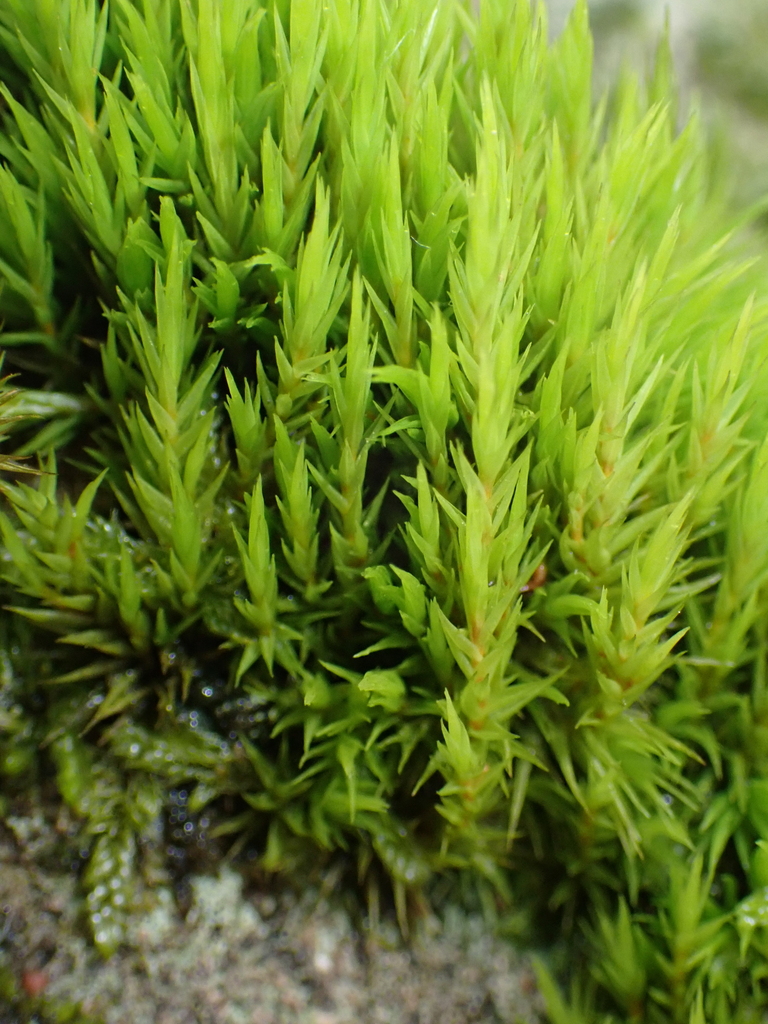
—observations
—countries
—peak records
Least ConcernConservation statusIUCN Red List categoriesLCNTVUENCREWEXLeast ConcernRed List categories, explained →
Diet & preyAutotrophic (Photosynthetic)
Predators
- Snails
- Slugs
- Birds
ThreatsAir pollution, severe atmospheric drying, habitat destruction
HabitatsForest floors, decaying logs, rock outcrops, heathlands
Life spanPerennial
Classification
- OrderDicranales
- FamilyDicranaceae
- GenusDicranum
- SpeciesDicranum scoparium
Range data is not available yet.
Interaction riskLow
- Low
- Moderate
- High
- Very high
- Why interaction risk is low
- Safe to observe at a normal distance.
Responsible observation
- Examine Leaf Angle: Use a hand lens to see the leaves curling uniformly to one direction like a broom.
- Avoid Trampling: Step carefully on forest trails to protect fragile moss cushions from compaction.
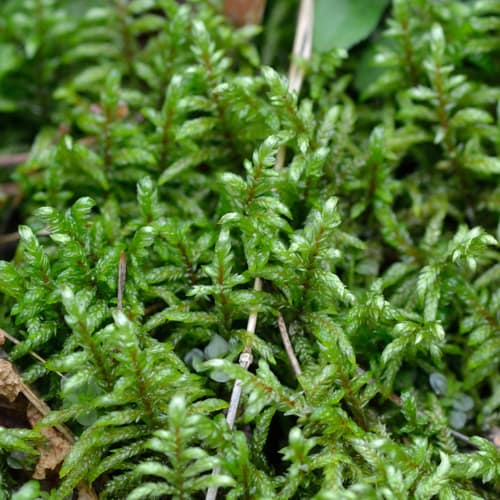
Frequent Companion (c) Fyodor Pudovikov, some rights reserved (CC BY), uploaded by Fyodor Pudovikov · cc-by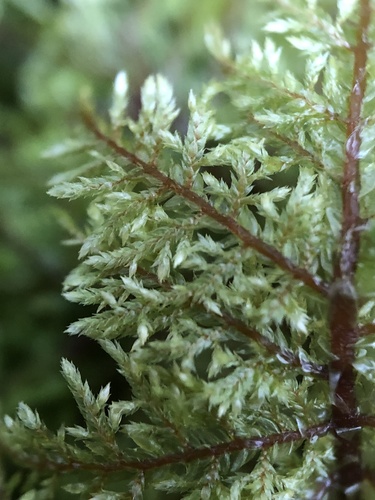
Frequent Companion (c) Scott Morris, some rights reserved (CC BY), uploaded by Scott Morris · cc-by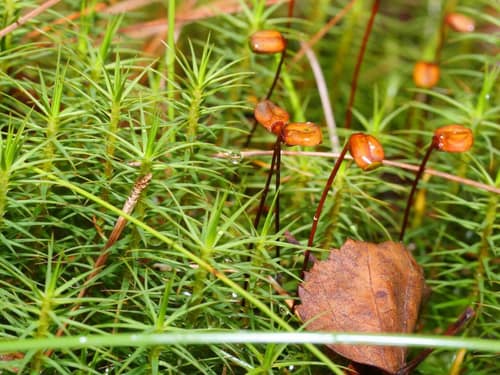
Competitor Kristian Peters -- Fabelfroh 14:35, 21 October 2007 (UTC) / CC BY-SA 3.0 · cc-by-sa Image unavailable
Close Relative
Keep collecting in Fauna
Found in Collections
Ecosystem chain
The Forest Floor
Broom Fork-moss is found in this collection. Identify it in Fauna to fill this slot and continue your progress.
—/12
Help improve the field guideSomething wrong?
Checking your Fauna account…Report a name, category, or profile issue for review.