
Plant · GBIF taxon 2650496
Resurrection Fern
Pleopeltis polypodioidesAlso known as Scaly Polypody, Miracle Fern
Resurrection fern is a tough epiphytic plant that survives severe drought by curling into a dry, brown coil until rain returns. Within hours of receiving moisture, the shriveled fronds uncurl and transform back into a vibrant green carpet. It thrives on the limbs of mature hardwood trees, rocks, and moist bluffs throughout its native subtropical range.
EpiphyteDrought TolerantFern
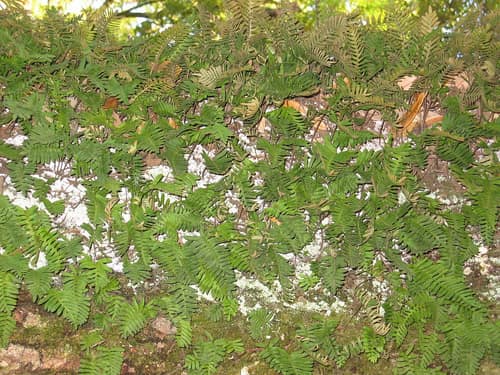
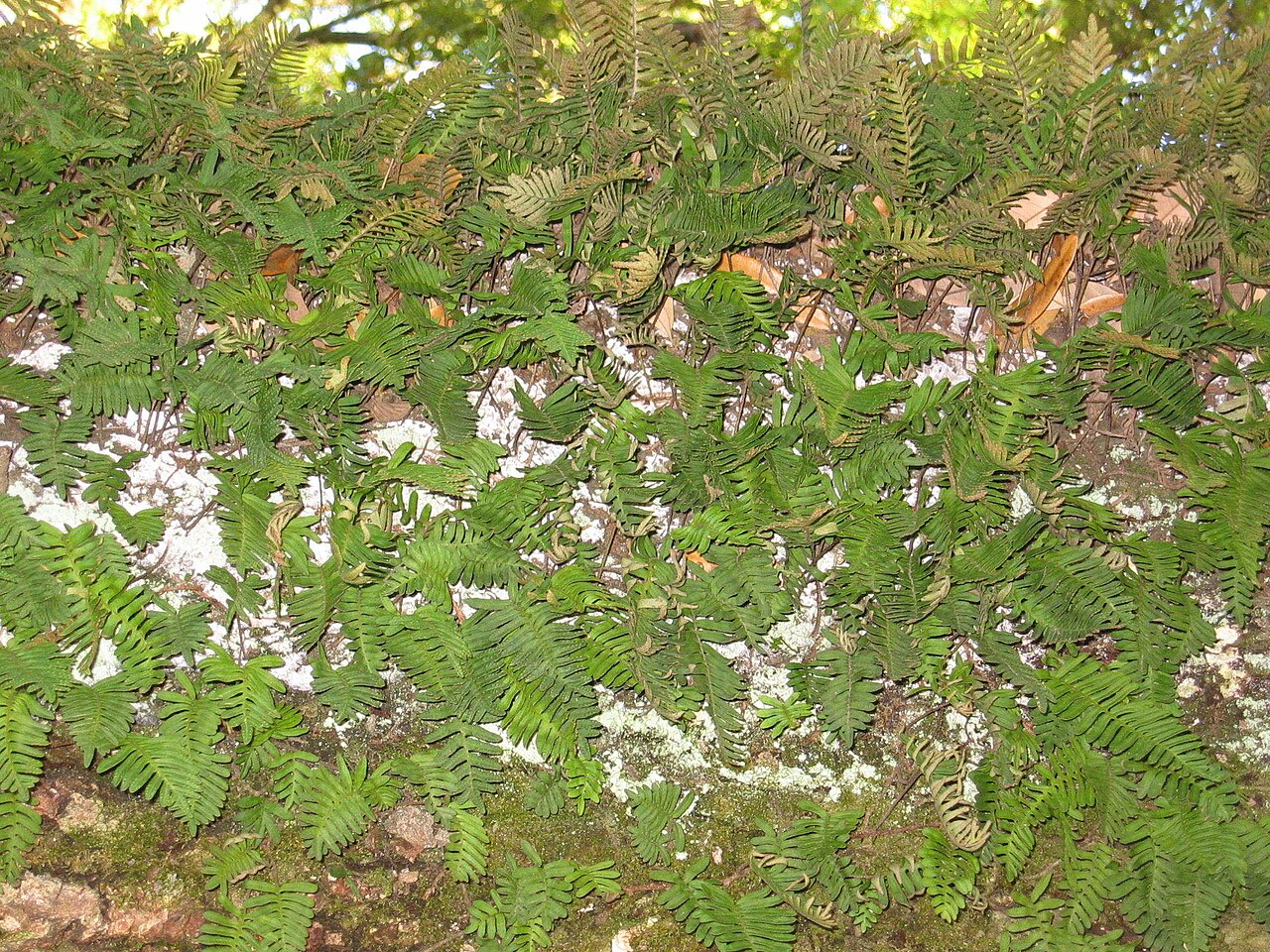
—observations
—countries
—peak records
Least ConcernConservation statusIUCN Red List categoriesLCNTVUENCREWEXLeast ConcernRed List categories, explained →
Diet & prey
- Autotrophic
Predators
- Herbivorous insects
- Snails
ThreatsHost tree removal, habitat loss
HabitatsSubtropical forests, hardwood trunks, rocky bluffs
Life spanPerennial
Size / weightNot available
Classification
- OrderPolypodiales
- FamilyPolypodiaceae
- GenusPleopeltis
- SpeciesPleopeltis polypodioides
Range data is not available yet.
Interaction riskLow
- Low
- Moderate
- High
- Very high
- Why interaction risk is low
- Safe to observe at a normal distance.
Responsible observation
- Observe foliage changes: Watch shriveled brown fronds uncurl into lush green leaves after rain.
- Check tree trunks: Look for sprawling colonies anchored on mature hardwood bark and mossy boulders.
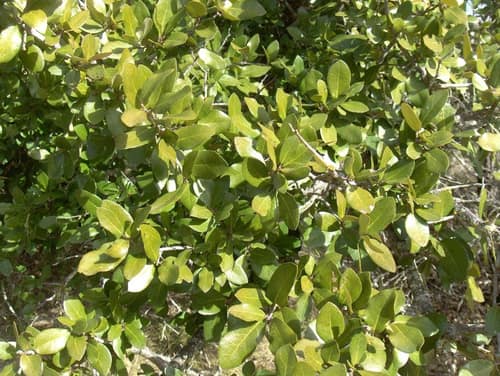
Host Tree Homer Edward Price / CC BY 2.0 · CC BY 2.0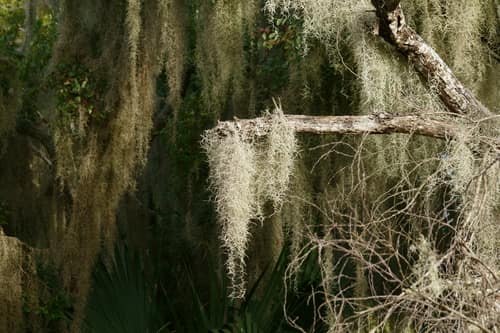
Frequent Companion (c) psweet, some rights reserved (CC BY-SA), uploaded by psweet · cc-by-sa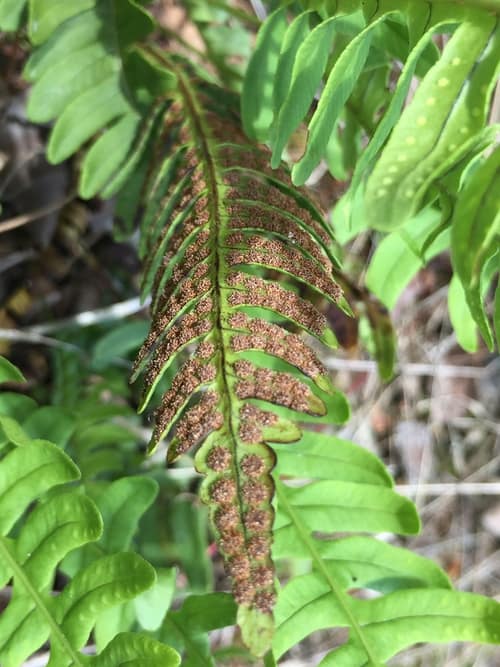
Close Relative (c) Mary Krieger, some rights reserved (CC BY) · cc-by
Keep collecting in Fauna
Found in Collections
Ecosystem chain Pro
Secret Garden
Resurrection Fern is found in this collection. Identify it in Fauna to fill this slot and continue your progress.
Unlock to track progress
Help improve the field guideSomething wrong?
Checking your Fauna account…Report a name, category, or profile issue for review.