
Fungus
Antarctic Candleholder Lichen
Cladonia borealisAlso known as Boreal Cup Lichen
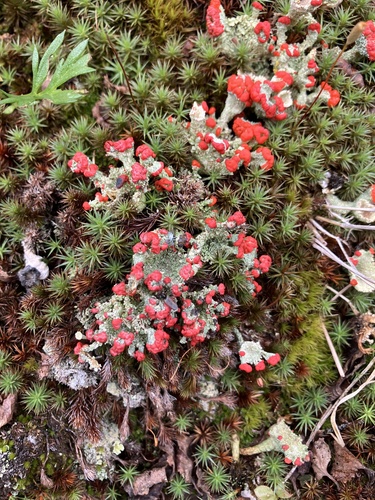
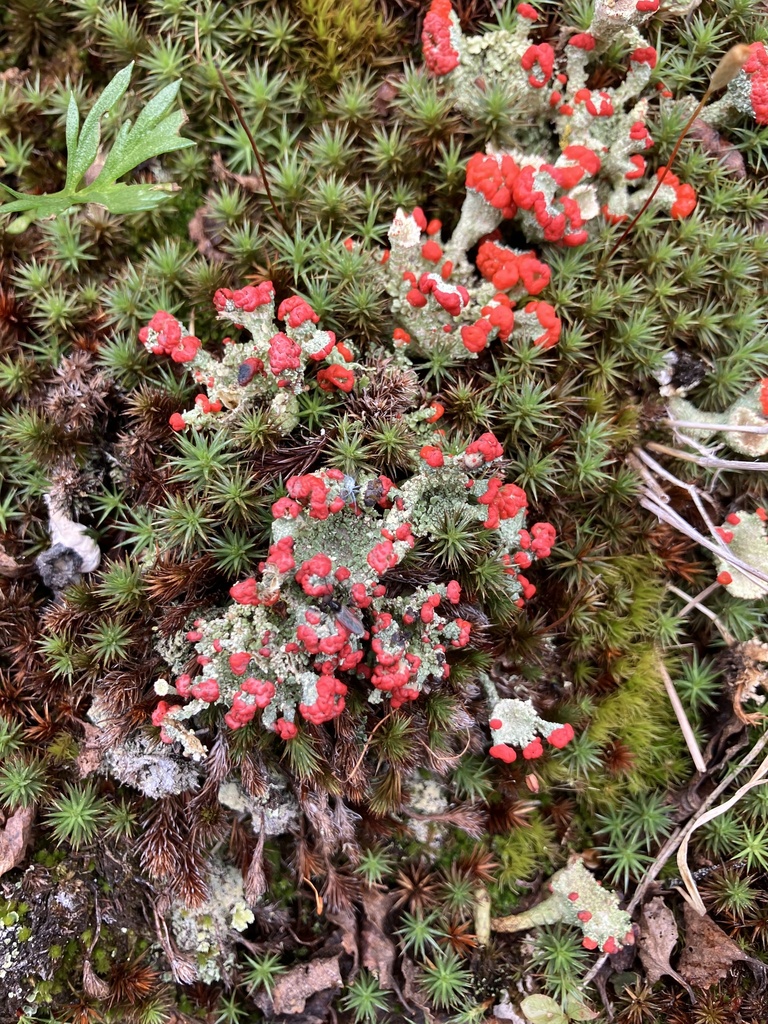
Antarctic candleholder lichens feature small, yellowish-green goblet-shaped stalks crowned with vivid scarlet fruiting bodies along their cup rims. These resilient organisms thrive in cold, exposed polar and alpine environments where few vascular plants can survive. They grow extraordinarily slowly, forming vital components of biological soil crusts that stabilize harsh tundra landscapes.
AlpineLichenTundra
—observations
—countries
—peak records
Not EvaluatedConservation statusIUCN Red List categoriesLCNTVUENCREWEXNot Evaluated — not placed on the risk ladderRed List categories, explained →
Diet & preyPhototrophic via algal symbiont photosynthesis and mineral absorption
Predators
- Caribou
- Reindeer
- Mites
ThreatsClimate warming, tundra habitat degradation, and physical trampling
HabitatsPolar tundra, alpine heathlands, exposed rocky summits, and boreal peatlands
Life spanPerennial (decades to centuries)
Classification
- FamilyCladoniaceae
- SpeciesCladonia borealis
Range data is not available yet.
Interaction riskLow
- Low
- Moderate
- High
- Very high
- Why interaction risk is low
- Safe to observe; avoid disturbing fragile tundra crusts and never ingest wild fungi.
- What to notice
- Look for tiny pale green cups topped with bright red fruiting rims on exposed alpine soils.
- Support conservation
- Stay on established paths and avoid stepping on delicate tundra mosses or lichen mats.
Responsible observation
- Substrate Inspection: Look for tiny goblet-shaped cups bearing vivid scarlet rims growing on arctic or alpine soil.
- Magnification: Use a hand lens to examine the bright red fruiting structures along the cup edges.
- Tread Lightly: Avoid stepping on fragile soil crusts where these slow-growing lichens anchor.
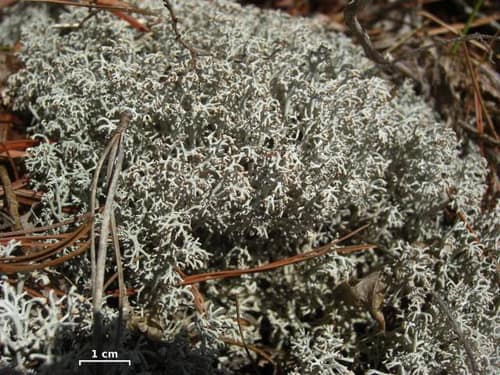
Frequent Companion Jason Hollinger / CC BY-SA 3.0 · cc-by-sa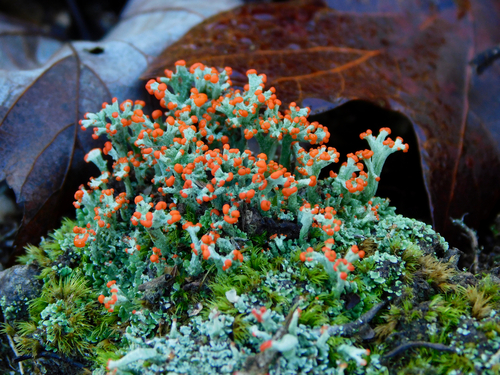
Close Relative (c) Michael J. Papay, some rights reserved (CC BY), uploaded by Michael J. Papay · cc-by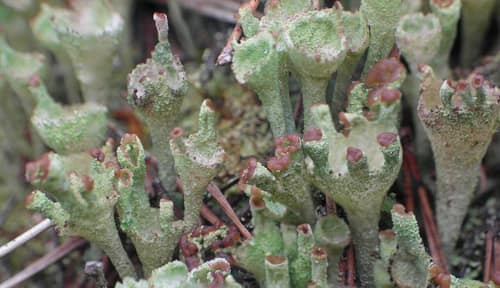
Close Relative ErwinMeier / CC BY-SA 3.0 · cc-by-sa Image unavailable
Close Relative
Help improve the field guideSomething wrong?
Checking your Fauna account…Report a name, category, or profile issue for review.