Also known as Oakmoss, Oakmoss Lichen, Prunastri Lichen
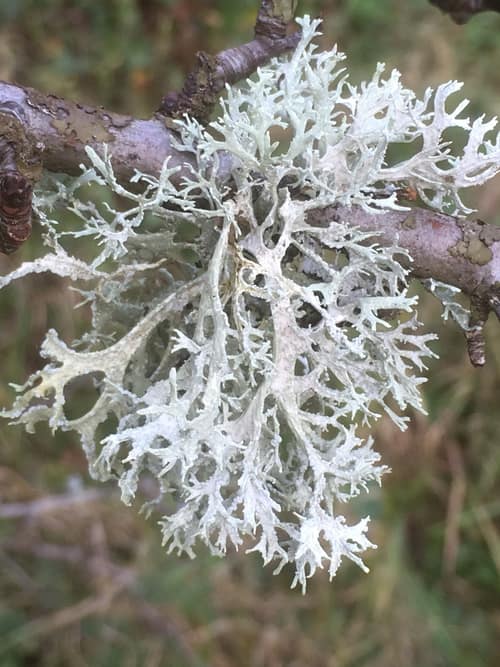
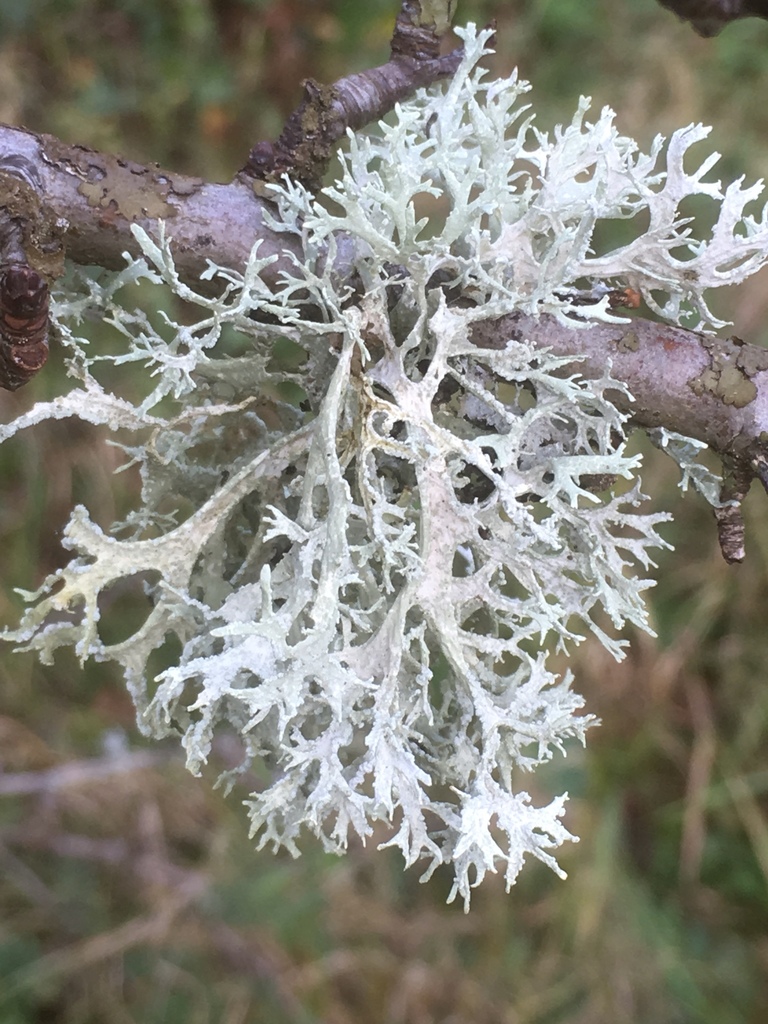
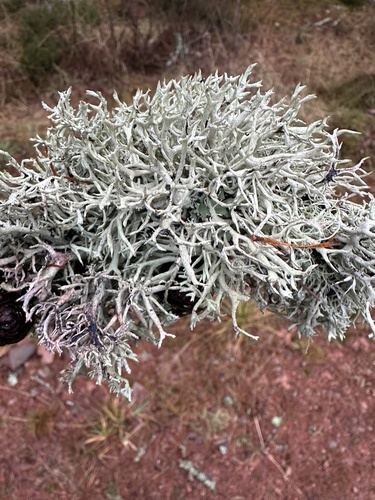
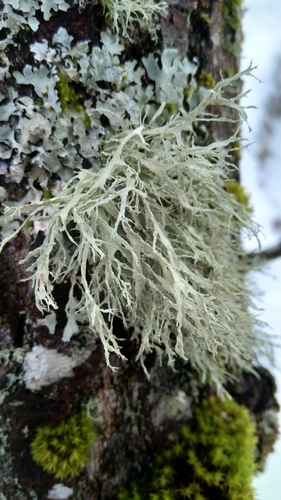
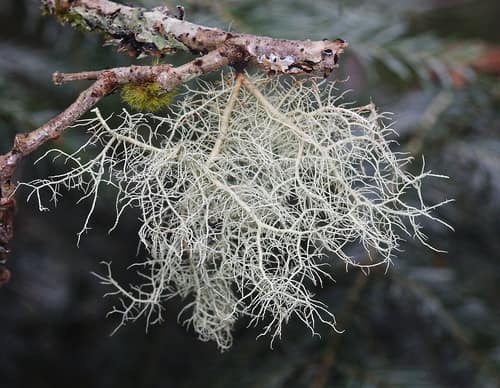
Staghorn Lichen forms soft, antler-like tufts across the bark of oaks, pines, and firs in humid northern forests. A mutualistic partnership between a fungus and a green alga, it changes dramatically with the weather, shifting from pale greyish-green and dry to rubbery olive-green after rain. Long prized by perfumers for its deep, earthy aroma, it also acts as a natural air-quality monitor because it cannot tolerate heavy atmospheric pollution.
Photosynthetic (symbiotic algae and fungal nutrients)
Predators
Slugs and snails
Mites
Reindeer
ThreatsAir pollution, heavy timber harvesting, industrial development
HabitatsTemperate forests, oak woodlands, humid coniferous woods
Life span30–50+ years
Size / weightNot available
Classification
OrderLecanorales
FamilyParmeliaceae
GenusEvernia
SpeciesEvernia prunastri
Range & activity
Range data is not available yet.
Safe observation
Interaction riskLow
Low
Moderate
High
Very high
Why interaction risk is low
Safe to observe at a normal distance.
Responsible observation
Air Quality Tracking: Look for lush, bushy clusters on oak bark as a reliable sign of unpolluted atmospheric conditions.
Moisture Response: Touch the thallus gently during rain to feel how it softens from brittle-dry to rubbery-flexible.
Distinction Tip: Flip over a branch to check that the lower surface is distinctly paler than the greenish upper surface, unlike look-alikes whose two surfaces match.