
Fungus · GBIF taxon 2560562
Golden Caterpillar Fungus
Ophiocordyceps sinensisAlso known as Yarsagumba, Caterpillar Fungus, Dong Chong Xia Cao, Himalayan Gold
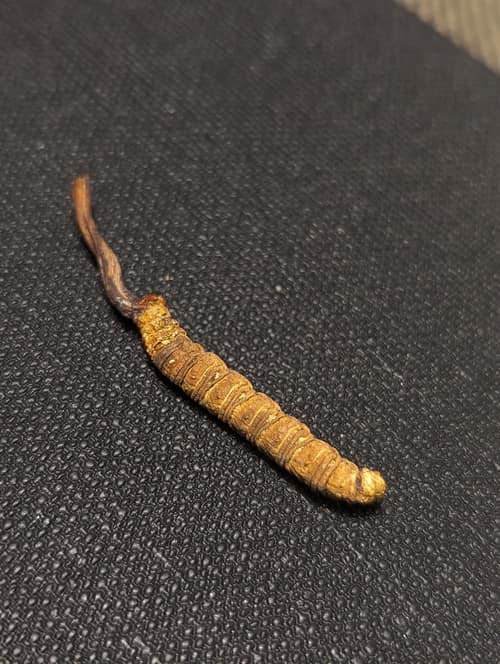
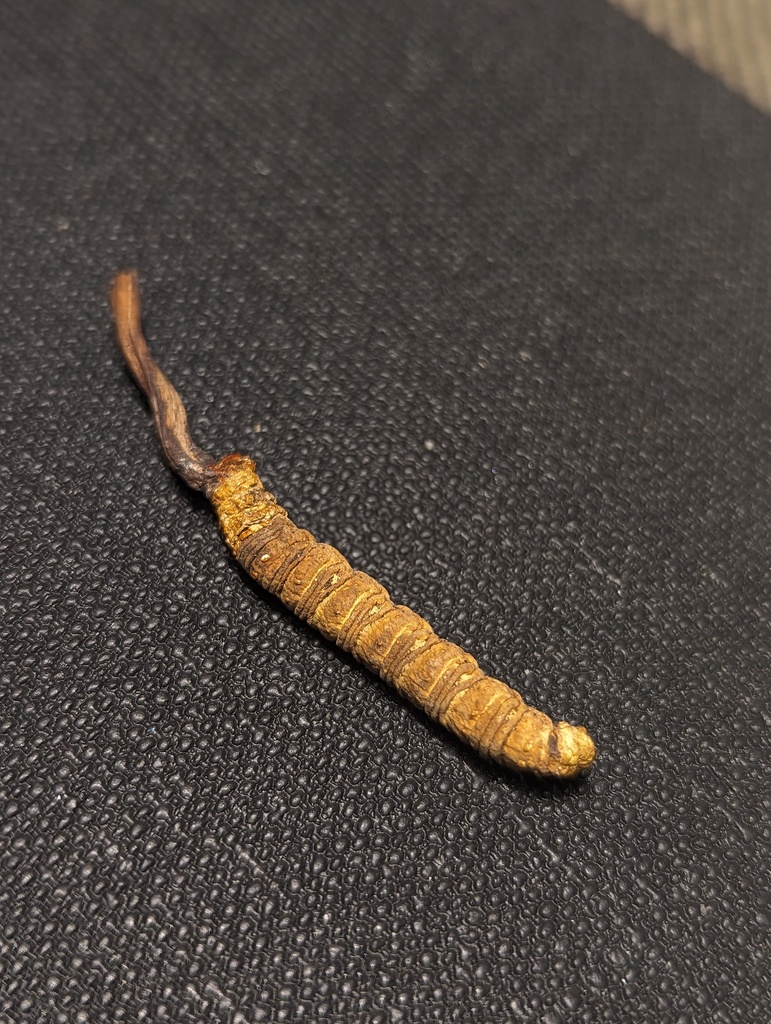
Golden caterpillar fungus germinates inside live ghost moth caterpillars underground, gradually replacing host tissue with fungal mycelium before killing the insect. In late spring, a single dark, club-like fruiting body sprouts from the head of the mummified caterpillar, breaking through the high alpine soil. Endemic to Himalayan grasslands, this specialized parasite plays a unique role in fragile mountain ecosystems while facing intense pressures.
ParasiticAlpineFungus
—observations
—countries
—peak records
VulnerableConservation statusIUCN Red List categoriesLCNTVUENCREWEXVulnerableRed List categories, explained →
Diet & prey
- Ghost moth larvae (Thitarodes species)
Predators
- Humans
- Grazing livestock
ThreatsOverharvesting, climate change, habitat degradation
HabitatsHigh alpine meadows and grasslands above 3,500 m
Life spanAnnual fruiting cycle (larval infection spans 1 to 2 years)
Size / weightNot available
Classification
- FamilyOphiocordycipitaceae
- SpeciesOphiocordyceps sinensis
Range data is not available yet.
Interaction riskHigh
- Low
- Moderate
- High
- Very high
- Why interaction risk is high
- Wild-harvested specimens can carry arsenic and wild fungi have toxic look-alikes; never eat wild fungi based on app identification alone.
- Why it is dangerous
- Wild harvested fruiting bodies bioaccumulate toxic amounts of arsenic and heavy metals from soil, creating severe poisoning hazards if ingested.
- How to recognize a risky encounter
- Look for a dark brown to black club-shaped stroma arising directly from the head of a buried, yellow-brown host caterpillar.
- What to do
- Observe and photograph from a safe distance without disturbing the specimen or surrounding alpine turf.
- What to notice
- Recognize the thin, dark brown fungal stalk protruding from high-elevation grassland turf above 3,500 meters.
- Support conservation
- Refrain from digging up specimens or purchasing wild-harvested material to help preserve wild populations.
Responsible observation
- Observation Spotting: Scan the soil surface of alpine meadows in early summer for tiny brownish shoots.
- Soil Protection: Avoid disturbing delicate high-altitude meadow soil while searching for alpine life.
- Safety Precaution: Never harvest or consume wild fungi from high mountain habitats.
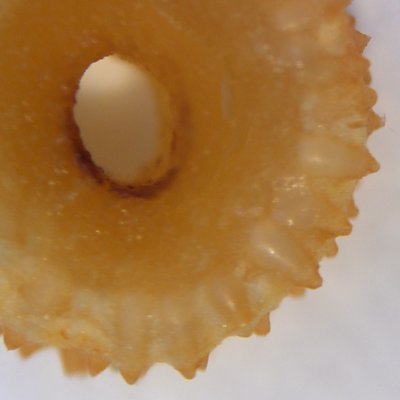
Close Relative (c) Jason Hollinger, some rights reserved (CC BY) · cc-by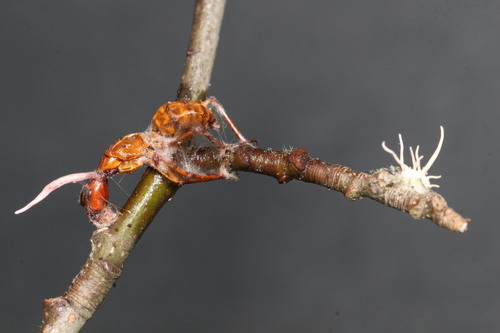
Close Relative (c) Robert Simcox, some rights reserved (CC BY) · cc-by
Help improve the field guideSomething wrong?
Checking your Fauna account…Report a name, category, or profile issue for review.