
Fungus
Scarlet Caterpillar Club
Cordyceps militarisAlso known as Caterpillar Fungus, Trooping Cordyceps, Scarlet Club Fungus
Scarlet caterpillar club is a vivid entomopathogenic fungus that erupts from the buried pupae or larvae of moths. Its mycelium consumes the living tissue of its insect host from within, mummifying the body into a rigid underground sclerotium before sending up bright club-shaped fruiting bodies. In late summer and autumn, minute flask-shaped perithecia embedded across the club surface discharge thread-like ascospores into forest breezes to infect new hosts.
FungusParasiteForest
—observations
—countries
—peak records
Not EvaluatedConservation statusIUCN Red List categoriesLCNTVUENCREWEXNot Evaluated — not placed on the risk ladderRed List categories, explained →
Diet & preyLepidopteran pupae, Moth caterpillars, Beetle larvae
Predators
- Fungus gnats
- Slugs
- Mycoparasitic fungi
ThreatsDeforestation, leaf litter disturbance, and soil compaction
HabitatsDeciduous and mixed woodland floors, moss beds, and damp leaf litter
Life spanFruiting body lasts 2–6 weeks; lifecycle tied to host availability
Classification
- OrderHypocreales
- FamilyCordycipitaceae
- GenusCordyceps
- SpeciesCordyceps militaris
Range data is not available yet.
Interaction riskLow
- Low
- Moderate
- High
- Very high
- Why interaction risk is low
- Many wild fungi have toxic look-alikes; never consume wild fungi based on app identification alone.
Responsible observation
- Look low: Scan damp, mossy soil and undisturbed leaf litter in broadleaf woods during late summer.
- Gentle excavation: Gently brush away surface litter to confirm attachment to a buried insect pupa without destroying it.
- Leave in place: Allow wild specimens to mature and release spores to sustain local insect-regulating cycles.
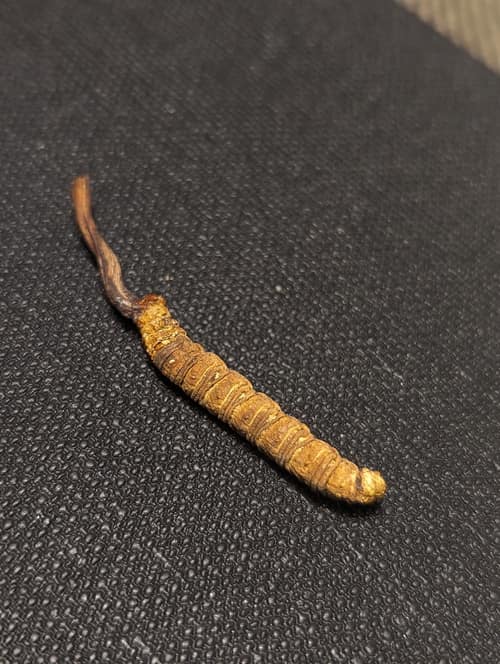
Ecological Cousin (c) Sagnik Dutta Roy, some rights reserved (CC BY) · cc-by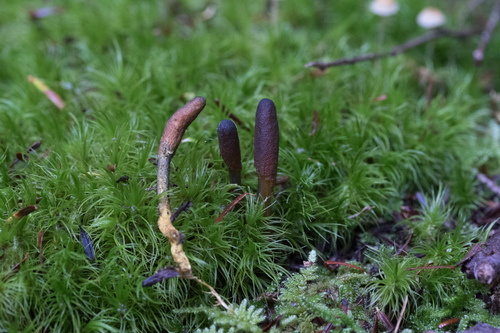
Related Parasite (c) Richard Jacob, some rights reserved (CC BY), uploaded by Richard Jacob · cc-by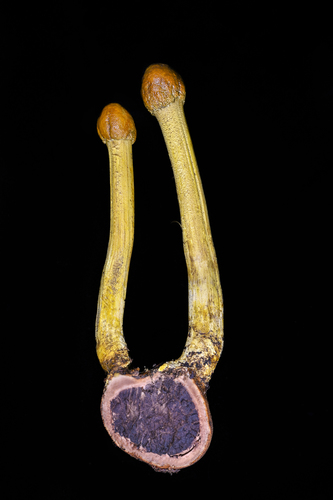
Related Parasite (c) Alan Rockefeller, some rights reserved (CC BY), uploaded by Alan Rockefeller · cc-by
Help improve the field guideSomething wrong?
Checking your Fauna account…Report a name, category, or profile issue for review.