
Fungus · GBIF taxon 2554716
Sweet Tooth Mushroom
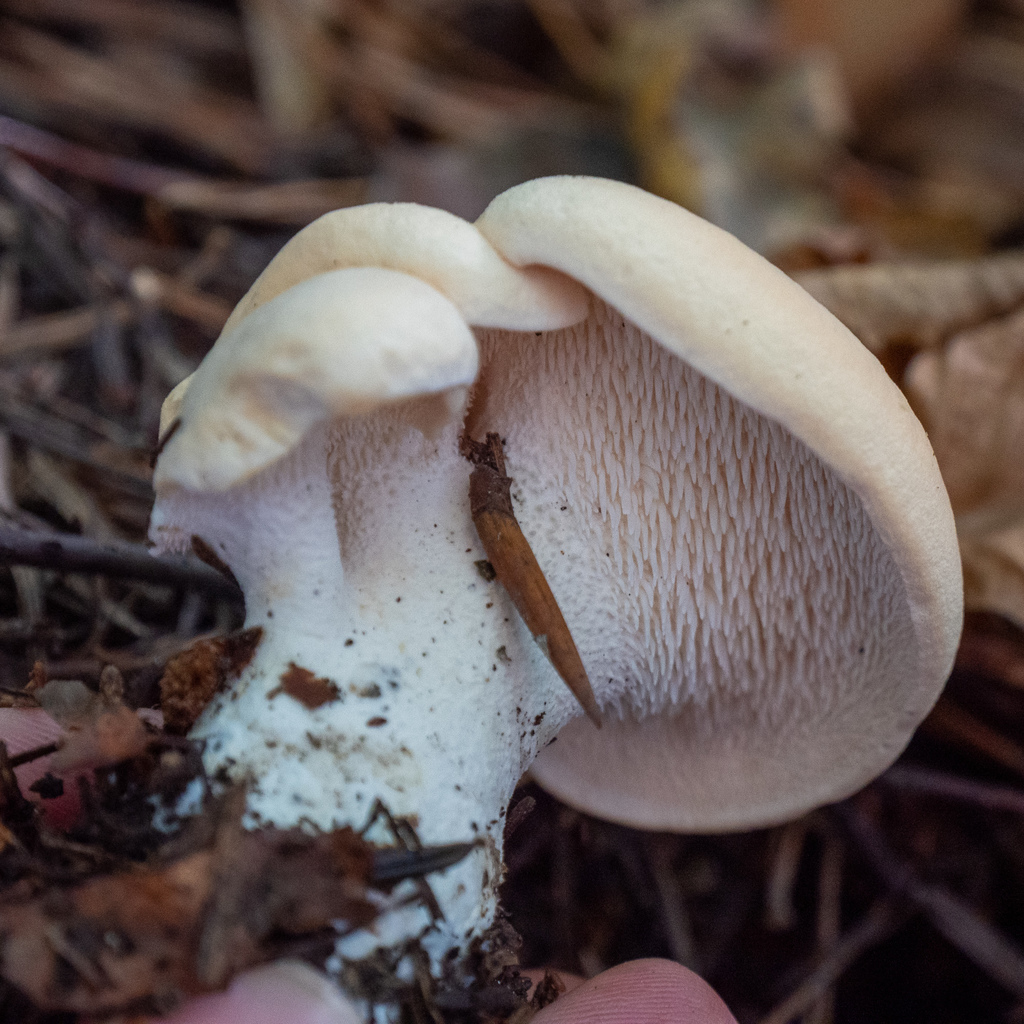
Hydnum repandumAlso known as Wood Hedgehog, Hedgehog Mushroom, Pig's Trotter
Sweet Tooth Mushrooms form mycorrhizal relationships with a wide variety of deciduous and coniferous trees, helping host roots absorb minerals from the surrounding soil. Instead of traditional gills or pores, the underside of the pale cream to buff cap features dense, hanging spines or teeth that release white spores at maturity. These fungi emerge in late summer and autumn, appearing singly, in scattered groups, or occasionally fusing into dense fairy rings across the forest floor.
Tooth FungusMycorrhizalForest Dweller

 1 / 7
1 / 7—observations
—countries
—peak records
Least ConcernConservation statusIUCN Red List categoriesLCNTVUENCREWEXLeast ConcernRed List categories, explained →
Diet & prey
- Mycorrhizal (symbiotic with tree roots)
Predators
- Slugs
- Fungus Gnats
- Squirrels
ThreatsHabitat loss, forest clearcutting, heavy soil compaction
HabitatsDeciduous and coniferous forests, woodland soil, mossy leaf litter
Life spanFruiting bodies persist 1–3 weeks; underground mycelium lives indefinitely
Size / weightNot available
Classification
- OrderCantharellales
- FamilyHydnaceae
- GenusHydnum
- SpeciesHydnum repandum
Range data is not available yet.
Interaction riskLow
- Low
- Moderate
- High
- Very high
- Why interaction risk is low
- Many edible mushrooms have toxic look-alikes; never eat wild fungi based on app identification alone.
Responsible observation
- Underneath Inspection: Gently peek underneath the cap to observe the distinctive hanging spines instead of gills.
- Soil Preservation: Avoid disturbing surrounding moss and root systems when inspecting forest fungi.
- Habitat Context: Note nearby host trees such as beech, oak, spruce, or pine to identify local mycorrhizal partners.
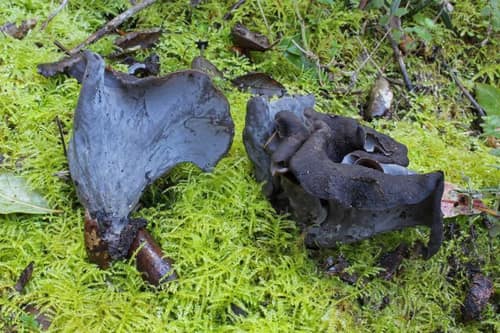
Order Companion (c) Davide Puddu, some rights reserved (CC BY), uploaded by Davide Puddu · cc-by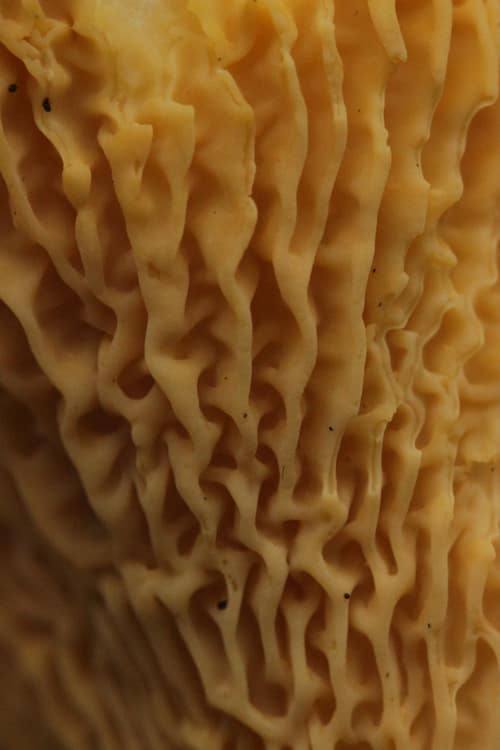
Co-occurring Species (c) Björn S..., some rights reserved (CC BY-SA) · cc-by-sa
Look-alike (c) Jerzy Opioła, some rights reserved (CC BY-SA) · cc-by-sa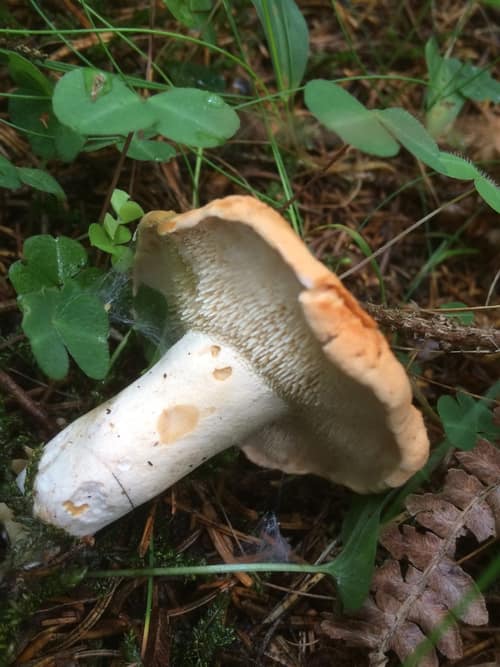
Close Relative (c) Daniel Ellehammer Larsen, some rights reserved (CC BY), uploaded by Daniel Ellehammer Larsen · cc-by
Keep collecting in Fauna
Found in Collections
Species set Pro
Fungi Forager
Sweet Tooth Mushroom is found in this collection. Identify it in Fauna to fill this slot and continue your progress.
Unlock to track progress
Help improve the field guideSomething wrong?
Checking your Fauna account…Report a name, category, or profile issue for review.