
Fungus · GBIF taxon 2554383
Steppe Earthstar
Geastrum striatumAlso known as Striate Earthstar, Striated Earthstar
Steppe earthstars unfurl star-like rays on dry, sandy soils to elevate a delicate central spore pouch above the ground. Raindrops striking the papery pouch force puffs of brownish spores out through a distinctive grooved, conical beak at the apex. Persistent rays often weather and harden, allowing these tough fruiting bodies to remain visible for months after releasing their spores.
FungusSpore ProducerArid Adapted
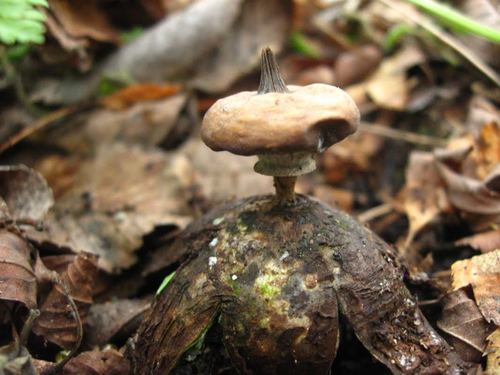
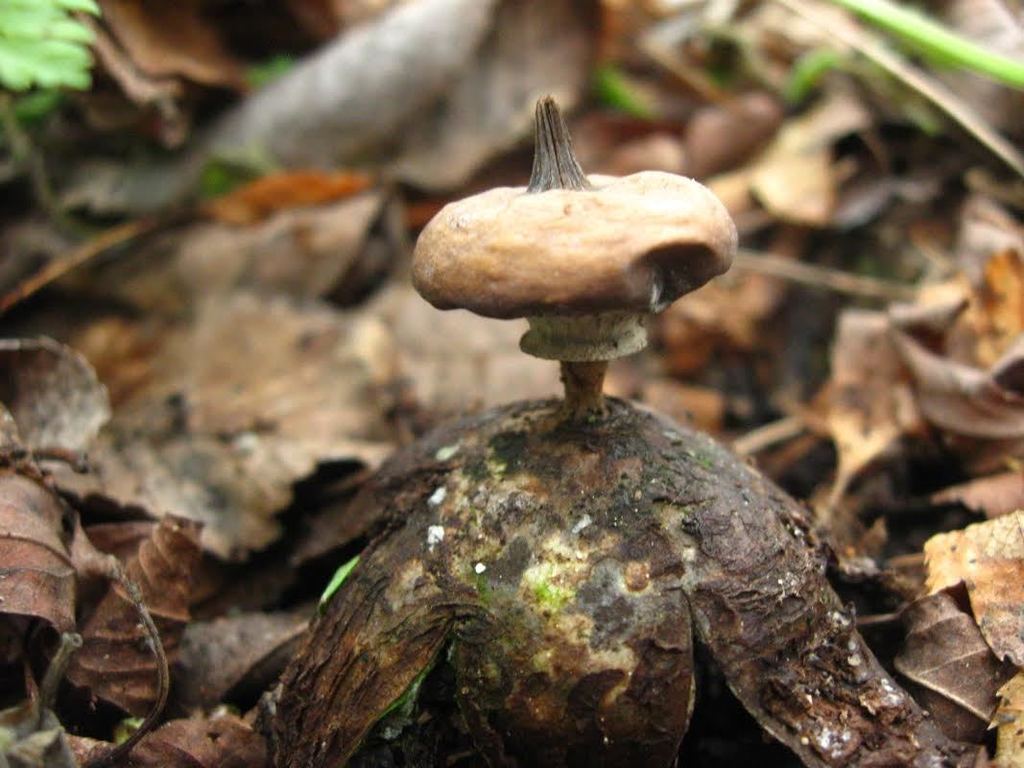
Licensed reference(c) GLJIVARSKO DRUSTVO NIS, some rights reserved (CC BY) · cc-by
—observations
—countries
—peak records
Not EvaluatedConservation statusIUCN Red List categoriesLCNTVUENCREWEXNot Evaluated — not placed on the risk ladderRed List categories, explained →
Diet & prey
- Saprobic (decomposing leaf litter and woody debris)
Predators
- Slugs
- Insects
- Small Rodents
ThreatsHabitat loss from urban development and agricultural conversion
HabitatsSandy steppes, dunes, dry grasslands, and open pine woods
Life spanFruiting body persists for months; underground mycelium lives perennially
Size / weightNot available
Classification
- FamilyGeastraceae
- SpeciesGeastrum striatum
Range data is not available yet.
Interaction riskLow
- Low
- Moderate
- High
- Very high
- Why interaction risk is low
- Many wild fungi have toxic look-alikes; never eat wild fungi based on app identification alone.
Responsible observation
- Identification: Examine the striate beak and collar ring where the stem meets the spore sac.
- Respect Habitat: Tread carefully in fragile dune and steppe environments where these grow.
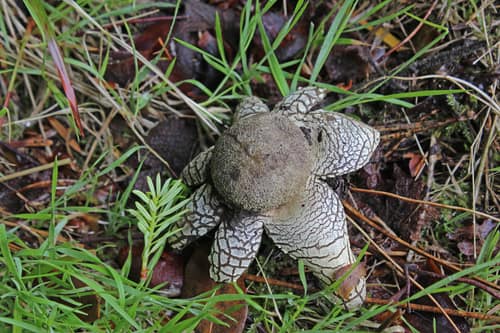
Look-Alike (c) Davide Puddu, some rights reserved (CC BY), uploaded by Davide Puddu · cc-by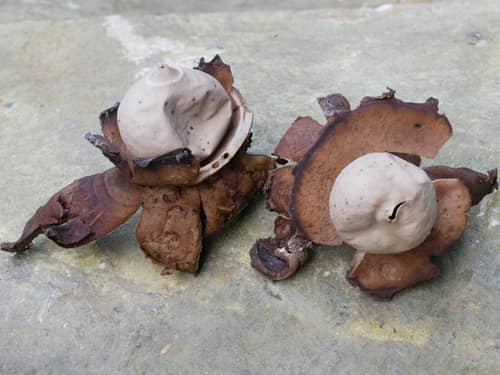
Close Relative no rights reserved, uploaded by Garrett Taylor · cc0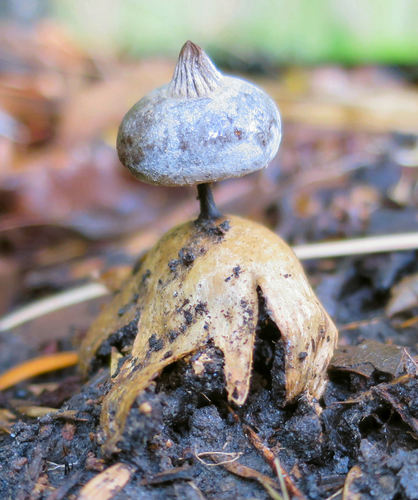
Close Relative (c) Alice Shanks, some rights reserved (CC BY) · cc-by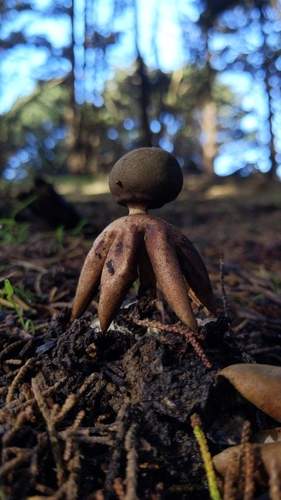
Close Relative (c) Alan Rockefeller, some rights reserved (CC BY) · cc-by
Help improve the field guideSomething wrong?
Checking your Fauna account…Report a name, category, or profile issue for review.