
Fungus · GBIF taxon 2554343
Earthstar Fungus
Geastrum pectinatumAlso known as Beaked Earthstar, Beret Earthstar
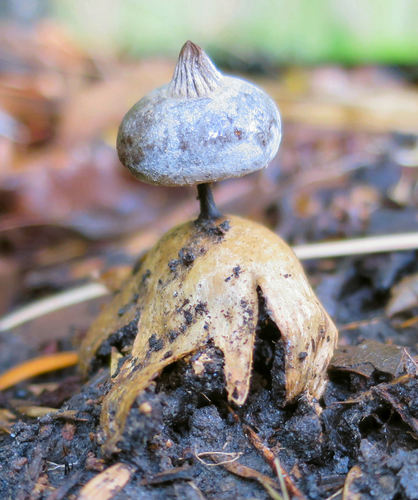
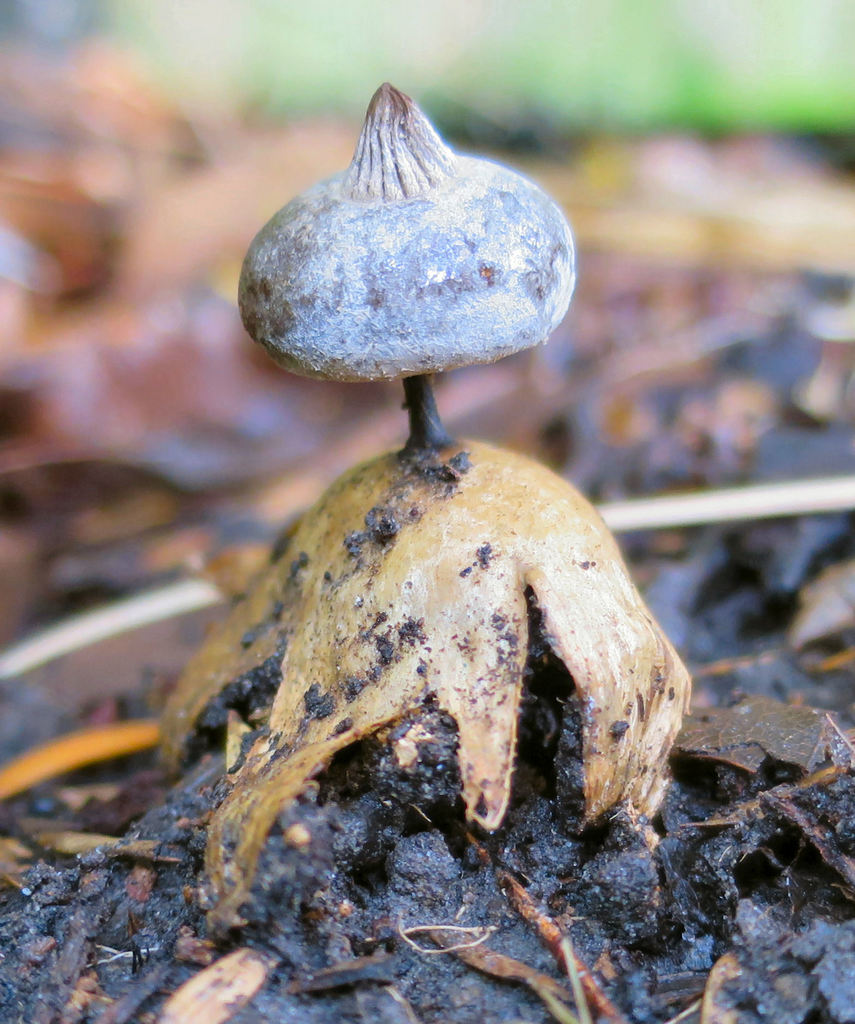
Beaked earthstars emerge from soil as rounded, egg-like structures before their outer wall splits into starlike rays that arch downward to elevate the central spore sac. A distinctive stalk and finely ribbed, conical beak top the papery spore bulb, facilitating spore dispersal when raindrops strike the surface. These saprotrophic fungi play a key ecological role by decomposing leaf litter and fallen woody debris in woodland ecosystems.
FungiWoodlandDecomposer
—observations
—countries
—peak records
Not EvaluatedConservation statusIUCN Red List categoriesLCNTVUENCREWEXNot Evaluated — not placed on the risk ladderRed List categories, explained →
Diet & prey
- Saprotrophic (decaying organic matter)
Predators
- Slugs
- Fungus Gnats
- Beetles
ThreatsHabitat destruction, soil compaction, clear-cutting
HabitatsConiferous and mixed woodlands, sandy forest soils, leaf litter
Life spanFruiting body persists for several months
Size / weightNot available
Classification
- FamilyGeastraceae
- SpeciesGeastrum pectinatum
Range data is not available yet.
Interaction riskLow
- Low
- Moderate
- High
- Very high
- Why interaction risk is low
- Many wild fungi have toxic look-alikes; never eat wild mushrooms based on app identification alone.
Responsible observation
- Habitat Scouting: Search around the base of pine and spruce trees where needle litter accumulates.
- Rain Dispersal: Observe after rainstorms to catch water droplets tapping the sac to release spore clouds.
- Gentle Handling: Avoid stepping on mature specimens, as the papery sac crushes easily.
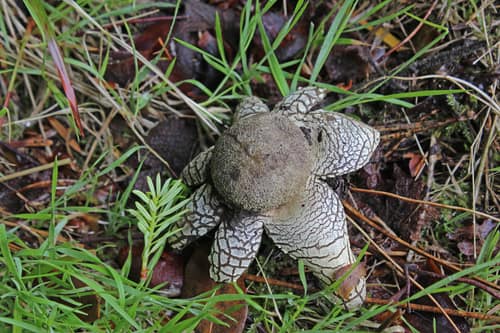
Look-Alike (c) Davide Puddu, some rights reserved (CC BY), uploaded by Davide Puddu · cc-by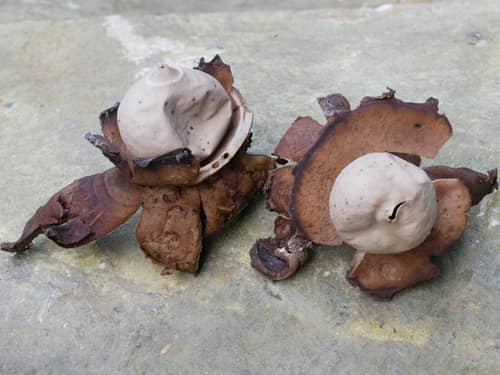
Close Relative no rights reserved, uploaded by Garrett Taylor · cc0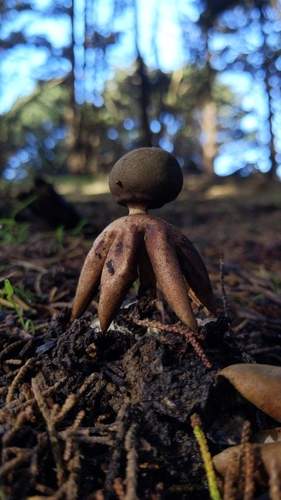
Close Relative (c) Alan Rockefeller, some rights reserved (CC BY) · cc-by
Help improve the field guideSomething wrong?
Checking your Fauna account…Report a name, category, or profile issue for review.