
Fungus · GBIF taxon 2554325
Sandy Earthstar
Geastrum coronatumAlso known as Crowned Earthstar
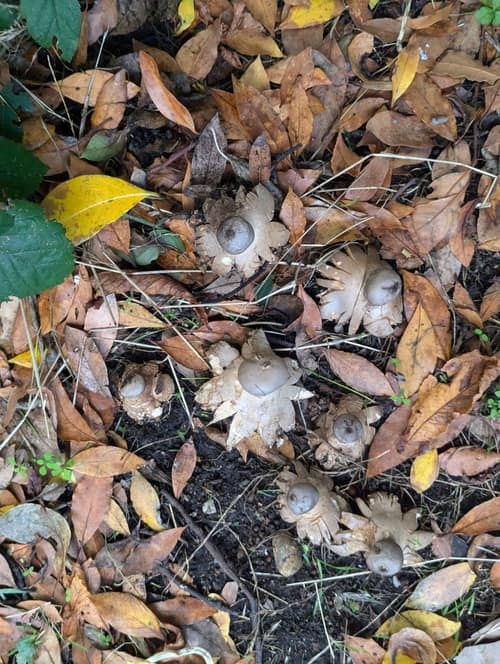
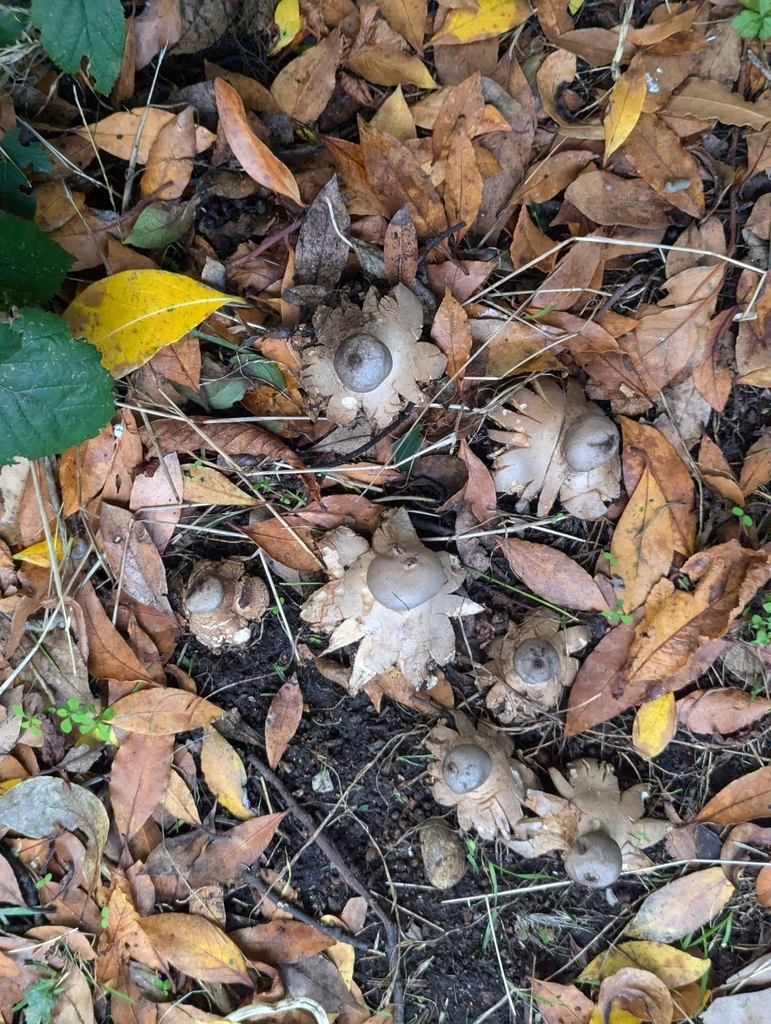
Sandy Earthstars emerge from underground as rounded buttons before their outer layer splits into star-like rays that lift the central spore sac above the ground. Raindrops striking the papery inner sac force clouds of dark spores into the air through a tiny fringed pore at the top. These saprobic fungi thrive in sandy, well-drained soils and coniferous leaf litter, where their tough dried remains can persist for months.
SaprobicFungusStar-shaped
—observations
—countries
—peak records
Not EvaluatedConservation statusIUCN Red List categoriesLCNTVUENCREWEXNot Evaluated — not placed on the risk ladderRed List categories, explained →
Diet & prey
- Decaying leaf litter
- Woody debris
- Soil organic matter
Predators
- Slugs
- Fungus gnats
- Mice
ThreatsSoil compaction, habitat disturbance
HabitatsSandy soil, coniferous pine woods, coastal dunes
Life spanFruiting body persists several months
Size / weightNot available
Classification
- FamilyGeastraceae
- SpeciesGeastrum coronatum
Range data is not available yet.
Interaction riskLow
- Low
- Moderate
- High
- Very high
- Why interaction risk is low
- Many edible mushrooms have toxic look-alikes; never eat wild fungi based on app identification alone.
Responsible observation
- Spore puffs: Gently tap the central sac with a grass blade to watch spore release.
- Substrate search: Look along sandy paths and under needle-fall in pine forests.
- Ray inspection: Examine the base stalk and pore mouth to confirm identification.
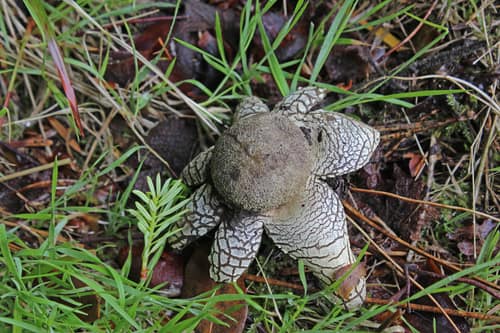
Look-alike (c) Davide Puddu, some rights reserved (CC BY), uploaded by Davide Puddu · cc-by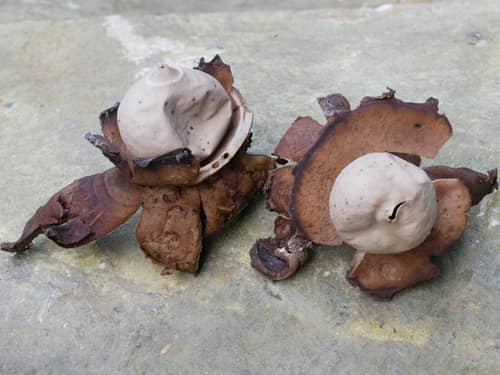
Close Relative no rights reserved, uploaded by Garrett Taylor · cc0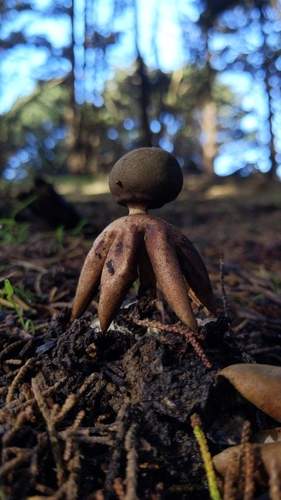
Close Relative (c) Alan Rockefeller, some rights reserved (CC BY) · cc-by
Help improve the field guideSomething wrong?
Checking your Fauna account…Report a name, category, or profile issue for review.