
Fungus
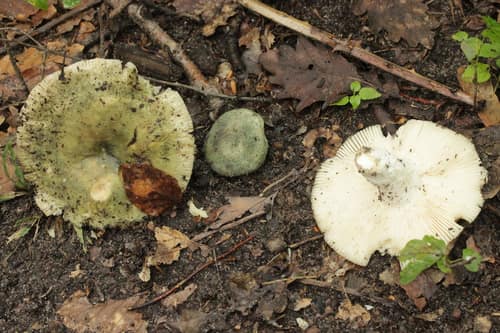
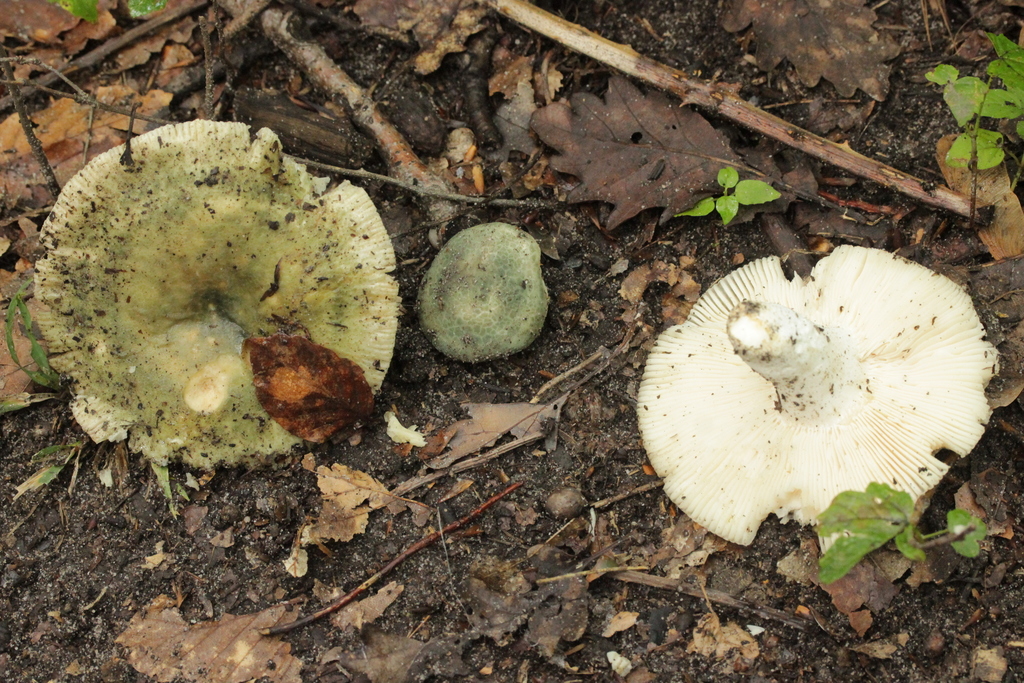
Green-cracking Russula
Russula virescensAlso known as Quilted Green Russula, Green Brittlegill
Green-cracking russulas form ectomycorrhizal partnerships with broadleaf trees, particularly oak, beech, and chestnut. Their distinctive quilted caps emerge pale green before breaking apart into dry, darker green patches as the fruiting body expands during summer and autumn. Like many members of the brittlegill family, their solid white stems break cleanly like chalk when snapped.
FungusForest FloorMycorrhizal
—observations
—countries
—peak records
Least ConcernConservation statusIUCN Red List categoriesLCNTVUENCREWEXLeast ConcernRed List categories, explained →
Diet & preyMycorrhizal (obtains nutrients through symbiotic tree connections)
Predators
- Slugs
- Fungus Gnats
- Squirrels
ThreatsHabitat loss, soil compaction, extreme drought
HabitatsDeciduous and mixed woodlands, broadleaf forests
Life spanFruiting body 1–2 weeks; underground mycelium lives indefinitely
Classification
- FamilyRussulaceae
- SpeciesRussula virescens
Range data is not available yet.
Interaction riskLow
- Low
- Moderate
- High
- Very high
- Why interaction risk is low
- Many edible mushrooms have toxic look-alikes; never eat wild fungi based on app identification alone.
Responsible observation
- Cap Observation: Note the cracked, mosaic surface pattern that distinguishes this mushroom from smooth green species.
- Stem Check: Verify that the clean white stem snaps crisply without bleeding any milky latex.
- Habitat Focus: Look near the base of mature hardwood trees, especially oak and beech, following summer rain.
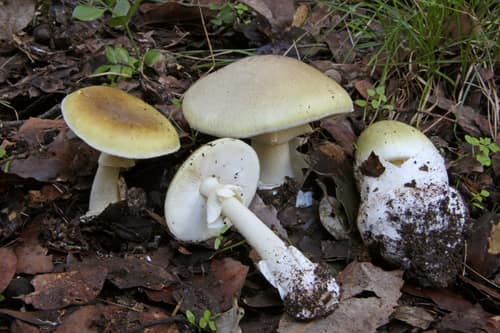
Toxic Look-Alike (c) Davide Puddu, some rights reserved (CC BY), uploaded by Davide Puddu · cc-by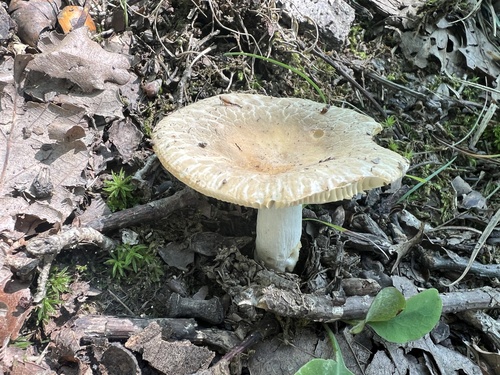
Close Relative (c) Brian C. Hunt, some rights reserved (CC BY), uploaded by Brian C. Hunt · cc-by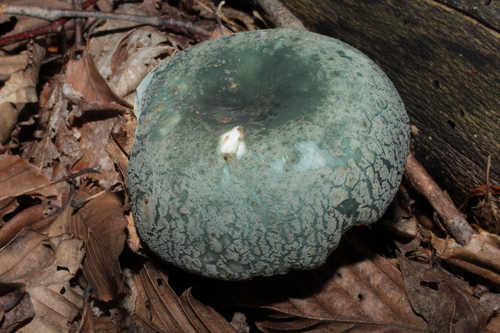
Close Relative (c) Sarah Culliton, some rights reserved (CC BY), uploaded by Sarah Culliton · cc-by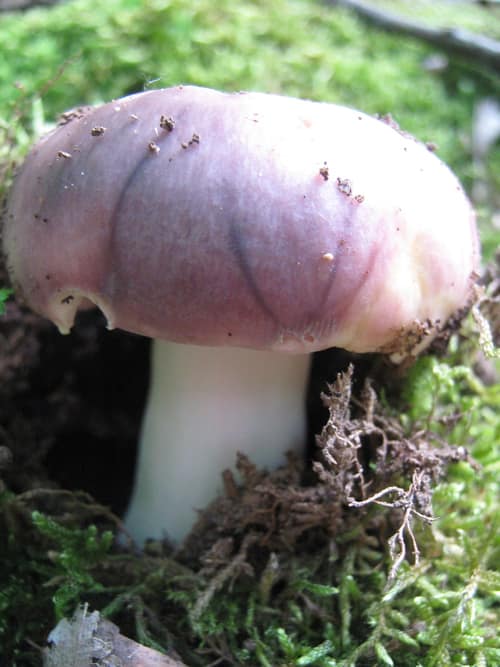
Close Relative (c) GLJIVARSKO DRUSTVO NIS, some rights reserved (CC BY) · cc-by
Help improve the field guideSomething wrong?
Checking your Fauna account…Report a name, category, or profile issue for review.