
Fungus · GBIF taxon 2550248
Cauliflower Mushroom
Sparassis radicataAlso known as Western Cauliflower Mushroom, Rooted Cauliflower Fungus
Cauliflower mushrooms emerge at the base of old-growth coniferous trees or stumps, forming massive, intricate clusters of tightly folded ribbons that resemble sea sponges. As parasitic and saprobic organisms, they break down heartwood and cause a slow brown root rot in host Douglas-firs and pines. These distinctive fruiting bodies frequently reappear in the exact same spot year after year following warm autumn rains.
FungusParasiticConifer-Associated
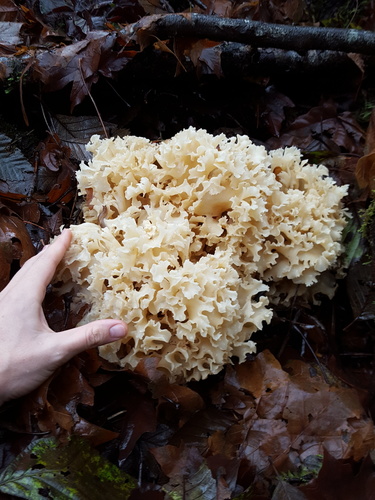
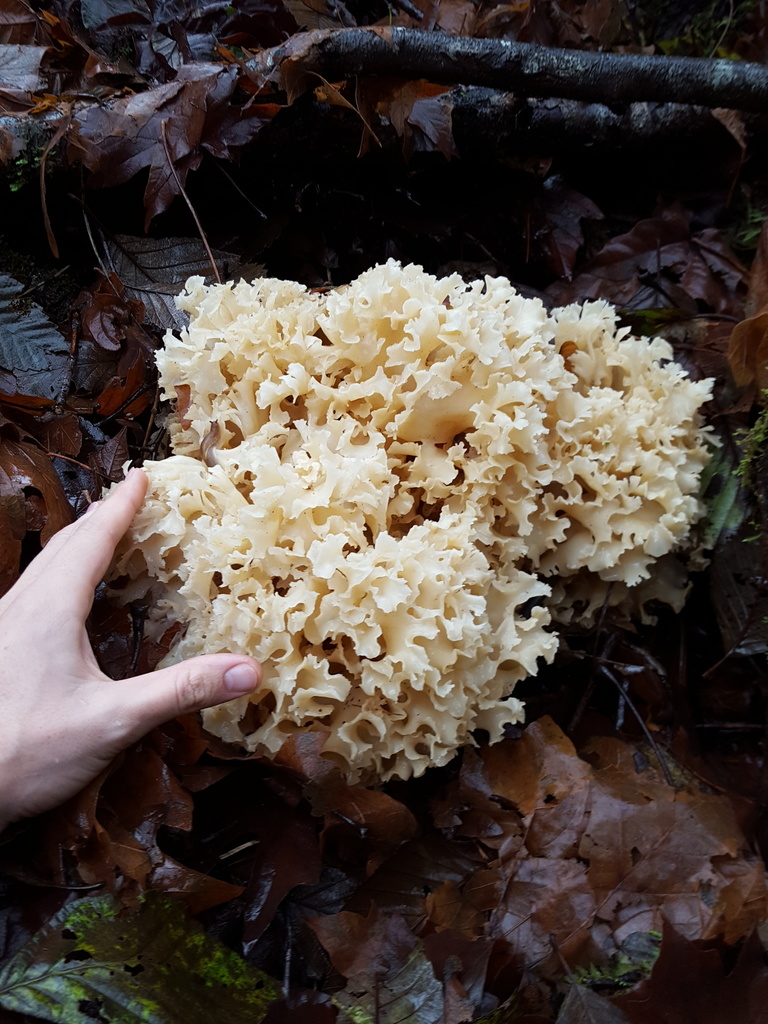
—observations
—countries
—peak records
Not EvaluatedConservation statusIUCN Red List categoriesLCNTVUENCREWEXNot Evaluated — not placed on the risk ladderRed List categories, explained →
Diet & prey
- Conifer Roots
- Decaying Wood
Predators
- Slugs
- Fungus Beetles
- Squirrels
ThreatsClear-cutting and intensive harvest of old host conifers
HabitatsMature coniferous forests and old-growth woods
Life spanFruiting body 2–4 weeks; underground mycelium survives for decades
Size / weightNot available
Classification
- FamilySparassidaceae
- SpeciesSparassis radicata
Range data is not available yet.
Interaction riskLow
- Low
- Moderate
- High
- Very high
- Why interaction risk is low
- Many wild mushrooms have toxic look-alikes; never eat wild fungi based on app identification alone.
Responsible observation
- Habitat Spotting: Look around the base and root flares of mature Douglas-firs during autumn rains.
- Observation Care: Avoid digging into the surrounding soil to protect the subterranean root structure.
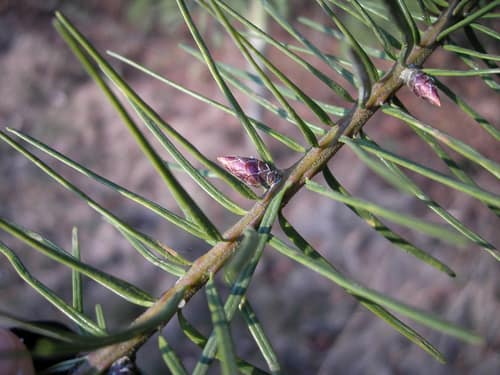
Host Tree (c) Danny Steaven, some rights reserved (CC BY-SA) · cc-by-sa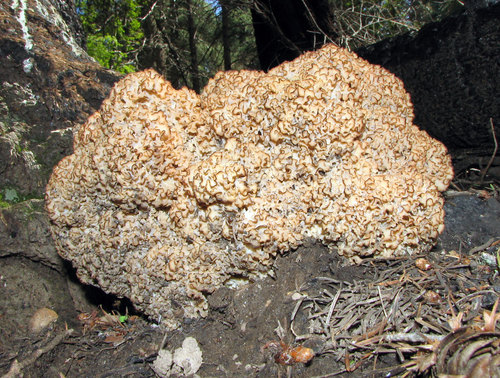
Close Relative (c) Katja Schulz, some rights reserved (CC BY) · cc-by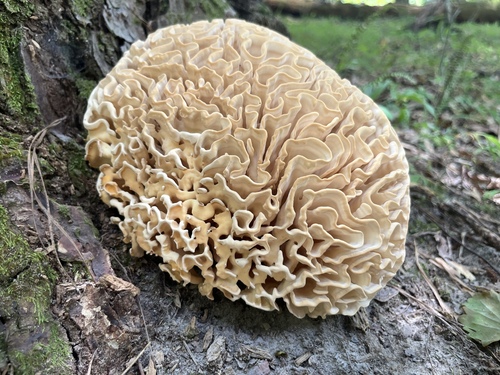
Close Relative (c) Megan Herrmann, some rights reserved (CC BY) · cc-by
Help improve the field guideSomething wrong?
Checking your Fauna account…Report a name, category, or profile issue for review.