
Fungus
Orange Waxcap
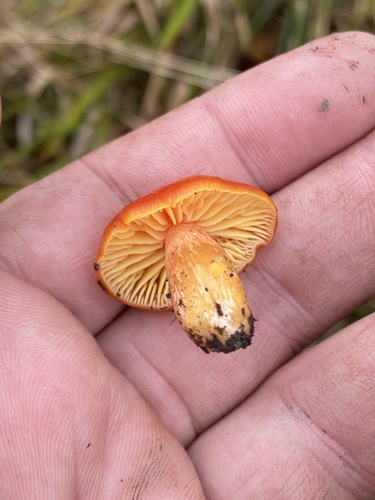
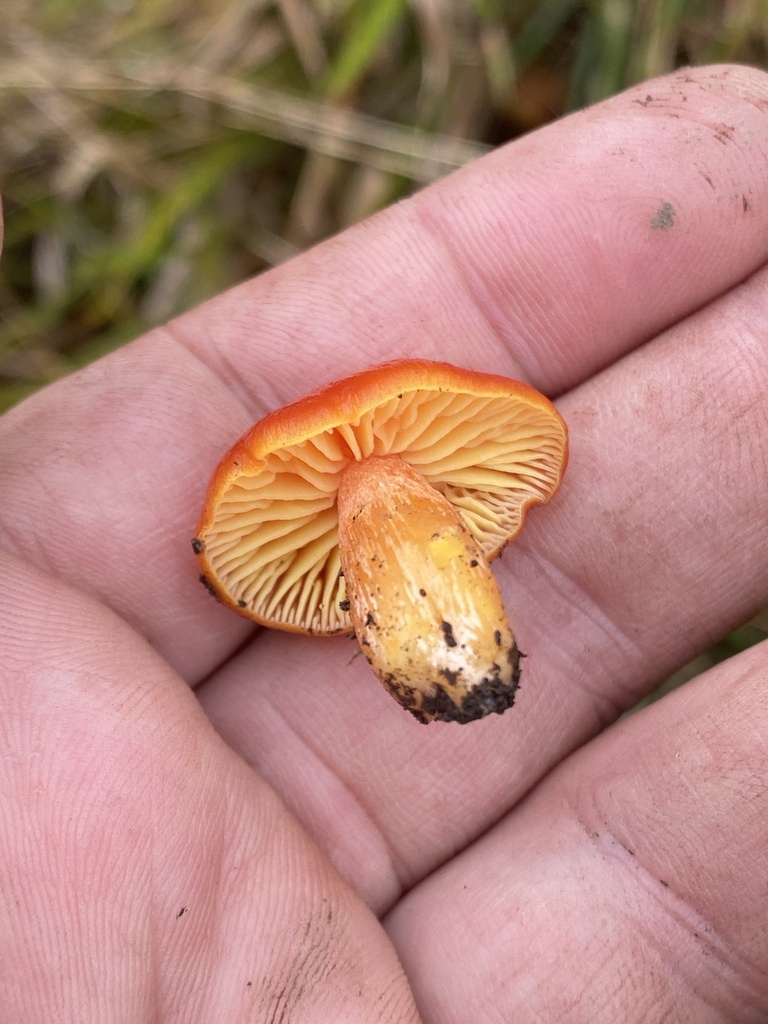
Hygrocybe aurantiosplendensBright scarlet-orange caps emerge in autumn across ancient, nutrient-poor pastures, standing out vividly against emerald turf and moss. These delicate mushrooms depend on undisturbed soil networks that have remained free of chemical fertilizers and plowing for decades. As key indicators of high-conservation-value waxcap grasslands, their presence signals an intact, traditional pastoral ecosystem.
Grassland FungusVibrantAutumn Fruiting
—observations
—countries
—peak records
VulnerableConservation statusIUCN Red List categoriesLCNTVUENCREWEXVulnerableRed List categories, explained →
Diet & preyBiotrophic with mosses and vascular plants
Predators
- Slugs
- Snails
- Fungus gnat larvae
ThreatsAgricultural intensification, artificial fertilizer application, and plowing
HabitatsUnimproved grasslands, ancient pastures, and churchyards
Life spanFruiting bodies last 1–2 weeks; mycelium lives decades
Classification
- FamilyHygrophoraceae
- SpeciesHygrocybe aurantiosplendens
Range data is not available yet.
Interaction riskLow
- Low
- Moderate
- High
- Very high
- Why interaction risk is low
- Many edible mushrooms have toxic look-alikes; never eat wild fungi based on app identification alone.
- What to notice
- Look for a bright golden-orange conical to bell-shaped cap, yellow-orange gills, and a hollow stipe among moss.
- Support conservation
- Do not pick or trample fruiting bodies, and avoid disturbing fragile moss carpets where mycelium thrives.
Responsible observation
- Habitat Clues: Search mossy, unfertilized lawns, historic churchyards, and grazed pastures in late autumn.
- Photography Ethics: Photograph specimens in situ without picking the delicate fruiting bodies.
- Spore Dispersal: Leave caps intact so they can mature and release microscopic spores into the wind.
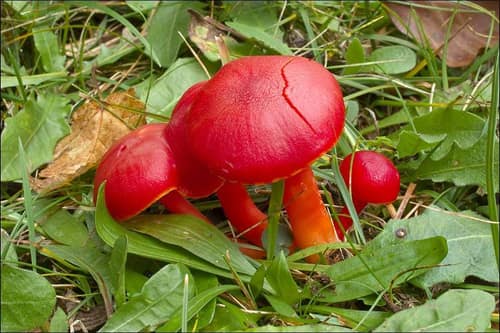
Same Genus This image was created by user amadej trnkoczy (amadej) at Mushroom Observer, a source for mycological images.You can contact this user here. / CC BY-SA 3.0 · cc-by-sa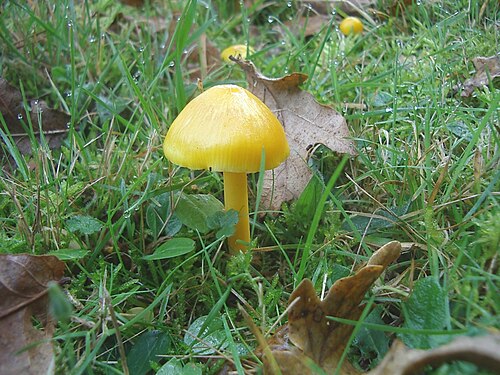
Same Genus Jymm / Public domain · cc0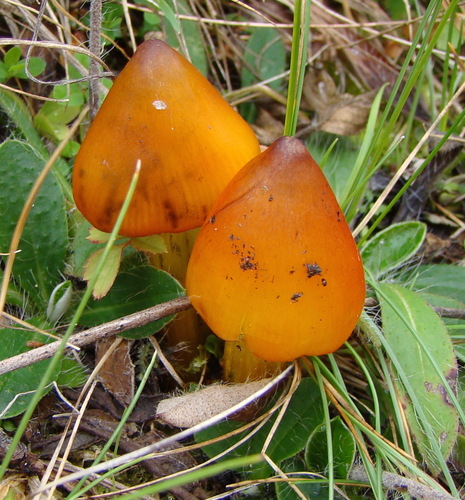
Same Genus (c) Lisa Bennett, some rights reserved (CC BY), uploaded by Lisa Bennett · cc-by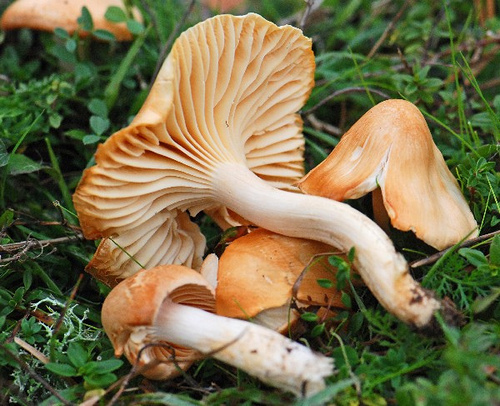
Same Family (c) GLJIVARSKO DRUSTVO NIS, some rights reserved (CC BY) · cc-by
Help improve the field guideSomething wrong?
Checking your Fauna account…Report a name, category, or profile issue for review.