
Fungus · GBIF taxon 2538075
Ghost Fungus
Omphalotus nidiformisAlso known as Ghost Mushroom
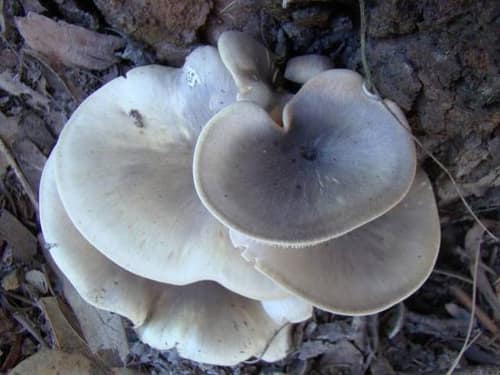
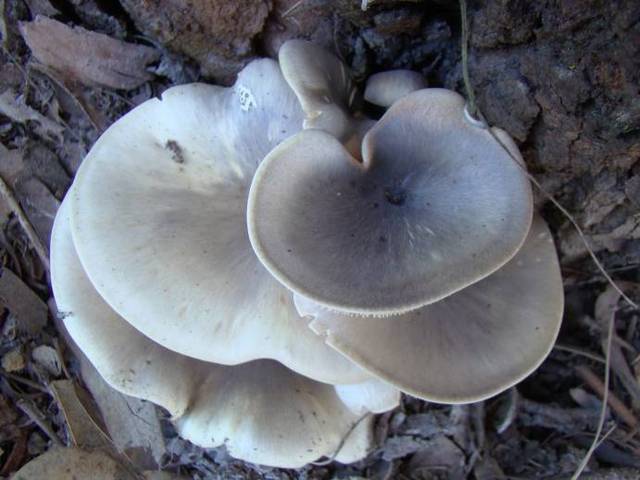
Ghost fungi are striking bioluminescent mushrooms that illuminate nocturnal forests in Australia with an eerie pale green glow emitted from their decurrent gills. Growing in dense, overlapping bracket clusters on decaying hardwoods and conifers, their large fan-shaped caps display a rich palette of cream, orange, purple, and bluish-black tones. The glowing light attracts insects, which help distribute fungal spores throughout the surrounding woodland ecosystem.
BioluminescentGilled FungusWood Decomposer
—observations
—countries
—peak records
Not EvaluatedConservation statusIUCN Red List categoriesLCNTVUENCREWEXNot Evaluated — not placed on the risk ladderRed List categories, explained →
Diet & prey
- Dead Wood
- Decaying Trees
- Organic Matter
Predators
- Insects
- Fungus Gnats
- Slugs
ThreatsLand clearing and removal of dead wood substrates
HabitatsEucalypt forests, woodlands, pine plantations, and urban parks
Life spanFruit bodies last 1–2 weeks; underground mycelium lives for years
Classification
- FamilyOmphalotaceae
- SpeciesOmphalotus nidiformis
Range data is not available yet.
Interaction riskHigh
- Low
- Moderate
- High
- Very high
- Why interaction risk is high
- Toxic if ingested; many wild mushrooms have deadly look-alikes, so never eat wild fungi based on app identification alone.
- Why it is dangerous
- Contains illudin toxins that cause severe gastrointestinal distress, extreme nausea, and persistent vomiting if ingested.
- How to recognize a risky encounter
- Recognized by cream gills that run down the stem, multi-toned fan caps, and a faint green bioluminescent glow in darkness.
- What to do
- Observe and photograph in dark conditions without harvesting or ingesting any part of the mushroom.
Responsible observation
- Nighttime Observation: Allow your eyes to adjust to complete darkness for several minutes to view the faint green glow.
- Substrate Scanning: Look for large bracket clusters on stump bases and dead tree trunks during wet autumn months.
- Safe Distance: Enjoy photos and illumination without harvesting or tasting wild fungal specimens.
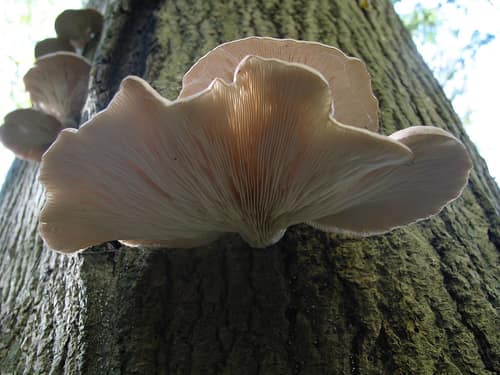
Look-alike voir ci-dessous / see below / CC BY 3.0 · cc-by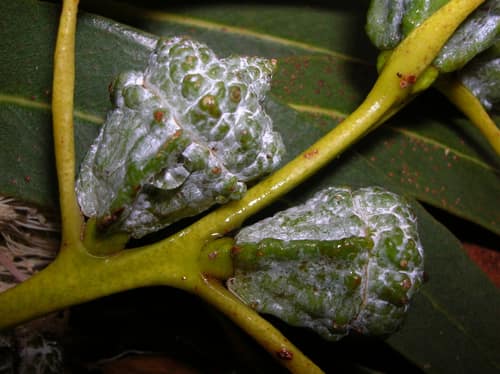
Host Plant (c) Forest and Kim Starr, some rights reserved (CC BY) · cc-by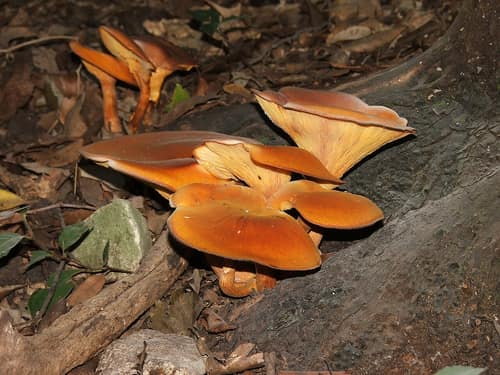
Close Relative Antonio Abbatiello / Public domain · cc0
Help improve the field guideSomething wrong?
Checking your Fauna account…Report a name, category, or profile issue for review.