
Fungus · GBIF taxon 2535563
Leucocoprinus straminellus
Leucocoprinus straminellusAlso known as Pale Yellow Dapperling, Small Yellow Parasol
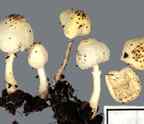
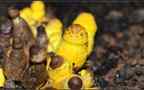
Pale sulfur-yellow caps with fine radial striations sprout unexpectedly in flowerpots, greenhouses, and warm compost beds. These delicate saprotrophic mushrooms break down organic material in potting mix, forming fragile fruiting bodies that last only a day or two before fading. Smaller and paler than the common flowerpot parasol, they thrive worldwide in sheltered, humid microclimates created by indoor gardening.
SaprophytePale YellowHouseplant Fungus
 1 / 5
1 / 5—observations
—countries
—peak records
Not EvaluatedConservation statusIUCN Red List categoriesLCNTVUENCREWEXNot Evaluated — not placed on the risk ladderRed List categories, explained →
Diet & prey
- Decaying plant material
- Organic potting substrate
- Compost
Predators
- Fungus gnats
- Slugs
- Mites
ThreatsSoil drying, soil disturbance, chemical fungicides
HabitatsGreenhouses, potted plants, compost piles, tropical soil
Life spanFruiting bodies last 1-2 days; mycelium lives indefinitely
Size / weightNot available
Classification
- FamilyAgaricaceae
- SpeciesLeucocoprinus straminellus
Range data is not available yet.
Interaction riskHigh
- Low
- Moderate
- High
- Very high
- Why interaction risk is high
- May cause gastrointestinal distress if swallowed; many edible mushrooms have toxic look-alikes, so never eat wild fungi.
- Why it is dangerous
- Ingestion causes mild to severe gastrointestinal distress, including nausea, vomiting, and abdominal cramps.
- How to recognize a risky encounter
- Look for pale cream to sulfur-yellow caps with deeply grooved margins growing out of indoor potting soil.
- What to do
- Safe to touch or leave in plant pots, but keep away from pets and small children who might consume them.
Responsible observation
- Indoor Care: Allow these natural decomposers to remain in soil to help recycle nutrients for house plants.
- Spore Examination: Observe microscopic spores under magnification to see the characteristic lack of a germ pore.
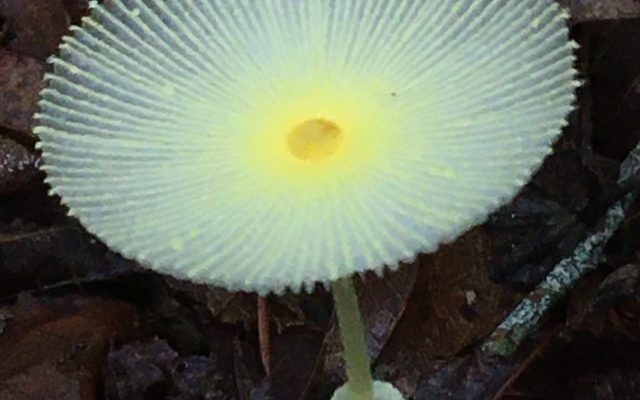
Look-Alike (c) Anne Parker, some rights reserved (CC BY), uploaded by Anne Parker · cc-by
Familial Kin 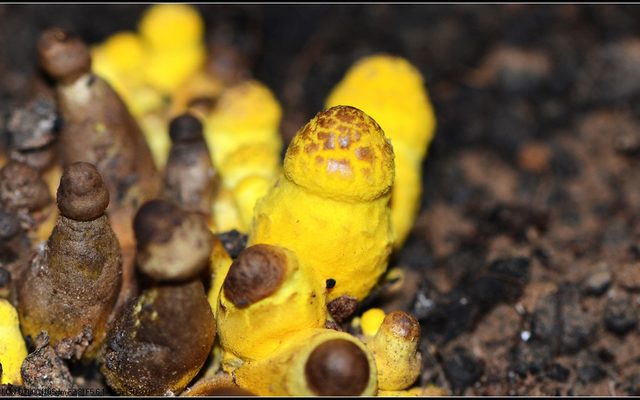
Close Relative (c) Zinogre, some rights reserved (CC BY-SA) · cc-by-saClose Relative
Help improve the field guideSomething wrong?
Checking your Fauna account…Report a name, category, or profile issue for review.