
Fungus · GBIF taxon 2534205
Shaggy Scalycap
Pholiota squarrosaAlso known as Shaggy Pholiota, Scaly Pholiota
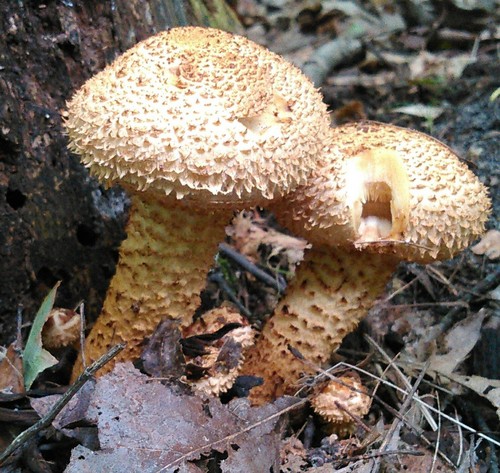
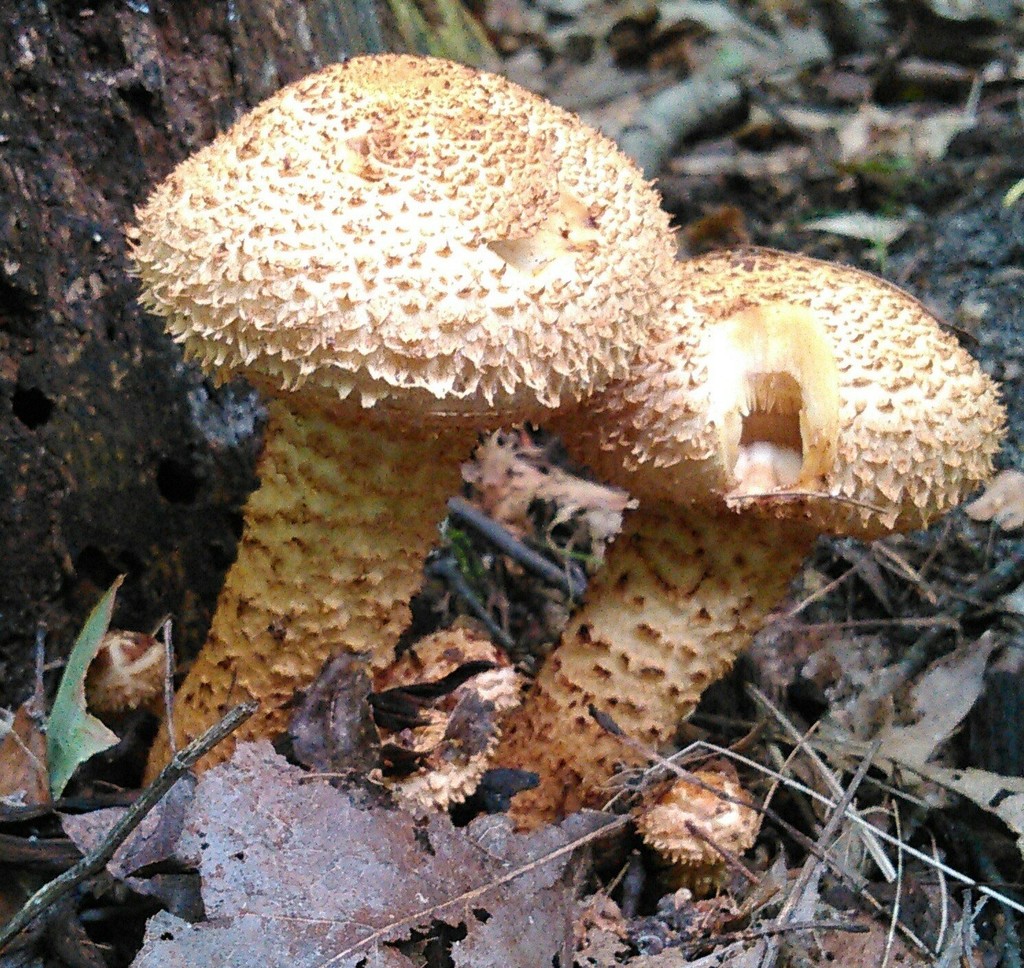
Densely clustered at the bases of living hardwood or coniferous trees, the shaggy scalycap stands out with its striking covering of dry, recurved tan scales on both cap and stem. As the fruiting body matures, its crowded gills shift from pale yellow to a deep rusty brown as millions of spores release. This parasitic and saprobic fungus slowly decays the heartwood of host trees, often signaling significant internal wood rot before fruiting bodies even appear.
Wood-DecayerCluster-FormingScaly Cap
—observations
—countries
—peak records
Not EvaluatedConservation statusIUCN Red List categoriesLCNTVUENCREWEXNot Evaluated — not placed on the risk ladderRed List categories, explained →
Diet & prey
- Saprobic and parasitic on decaying wood
Predators
- Fungus Gnats
- Slugs
- Rove Beetles
ThreatsForest clearance and removal of old host trees
HabitatsDeciduous and coniferous forests, parks, orchards
Life spanFruiting bodies last 1–3 weeks; underground mycelium lives indefinitely
Size / weightNot available
Classification
- OrderAgaricales
- FamilyStrophariaceae
- GenusPholiota
- SpeciesPholiota squarrosa
Range data is not available yet.
Interaction riskHigh
- Low
- Moderate
- High
- Very high
- Why interaction risk is high
- Causes severe gastrointestinal upset if consumed; wild fungi have toxic look-alikes, so never eat based on app identification.
- Why it is dangerous
- Contains toxins that trigger significant stomach cramps, nausea, vomiting, and diarrhea when ingested.
- How to recognize a risky encounter
- Recognized by coarse, dry, pointed brown scales covering both the cap and stem in tight wood-growing clusters.
- What to do
- Safe to observe and touch for identification, but do not consume or mix with edible mushrooms.
Responsible observation
- Substrate observation: Look for dense tufts growing directly around the trunk base or roots of aging trees.
- Scale texture: Check that scales are dry and turned backward, unlike sticky look-alike species.
- Spore printing: Place a cap on paper to confirm the rich rusty-brown spore print.
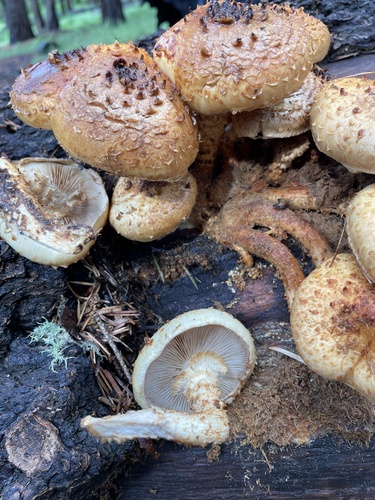
Look-Alike (c) Mike Dechter, some rights reserved (CC BY), uploaded by Mike Dechter · cc-by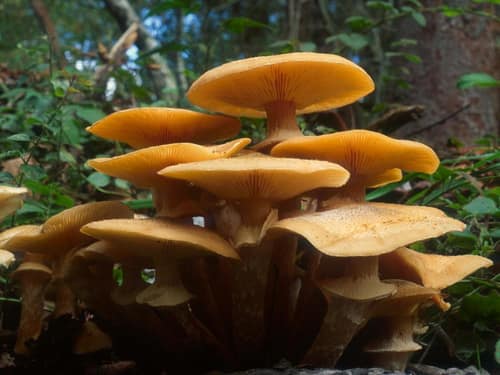
Ecological Competitor (c) Nathan Wilson, some rights reserved (CC BY-SA) · cc-by-sa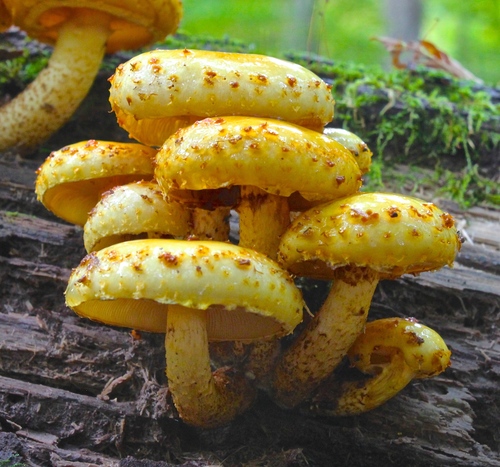
Close Relative (c) Fluff Berger, some rights reserved (CC BY-SA), uploaded by Fluff Berger · cc-by-sa
Help improve the field guideSomething wrong?
Checking your Fauna account…Report a name, category, or profile issue for review.