
Fungus · GBIF taxon 2531012
Beefsteak Fungus
Fistulina hepaticaAlso known as Beefsteak Polypore, Poor Man's Steak, Ox Tongue, Tongue Mushroom
Beefsteak fungi attach directly to mature hardwood trunks as thick, tongue-shaped brackets with reddish-brown, papillate surfaces. When young, they exude a red juice from soft, fibrous flesh that mimics raw meat. As specialized wood-decay fungi, they cause brown heart rot in ancient oaks and sweet chestnuts, creating hollow cavities essential for forest wildlife.
Bracket FungusWood-DecayForest Fungi
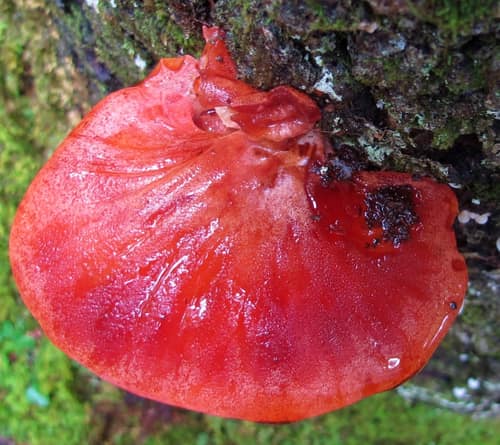
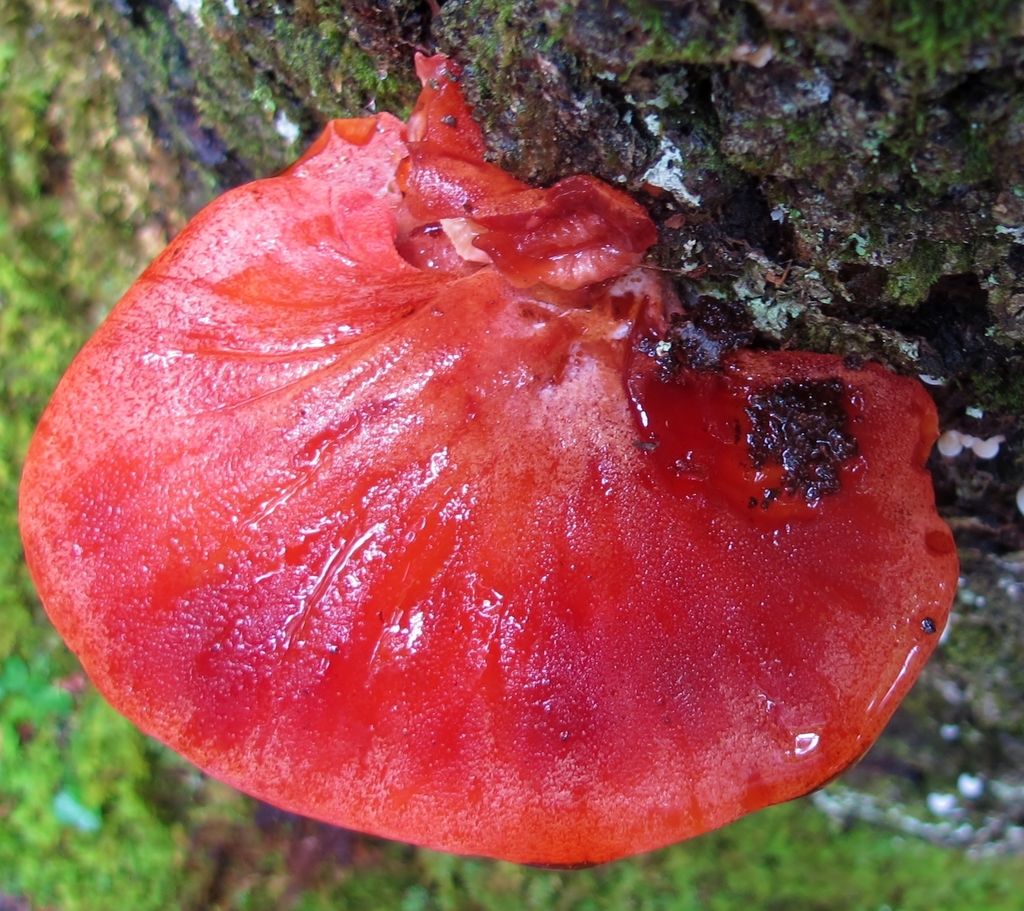 1 / 7
1 / 7—observations
—countries
—peak records
Not EvaluatedConservation statusIUCN Red List categoriesLCNTVUENCREWEXNot Evaluated — not placed on the risk ladderRed List categories, explained →
Diet & prey
- Oak heartwood
- Chestnut heartwood
- Organic matter
Predators
- Fungus beetles
- Slugs
- Small mammals
ThreatsLoss of old-growth host trees and deadwood removal
HabitatsTemperate hardwood forests, mature oak and chestnut woodlands
Life spanAnnual fruiting body (persists late summer to autumn)
Size / weightNot available
Classification
- FamilyFistulinaceae
- SpeciesFistulina hepatica
Range data is not available yet.
Interaction riskLow
- Low
- Moderate
- High
- Very high
- Why interaction risk is low
- Many edible mushrooms have toxic look-alikes; never eat wild fungi based on app identification alone.
Responsible observation
- Tree Inspection: Search around the roots and lower trunks of living or recently dead old-growth oaks.
- Pore Examination: Look beneath the bracket to see separate, unfused tubes unique to this family.
- Habitat Preservation: Leave fruiting bodies intact to allow spore release and preserve wildlife microhabitats.
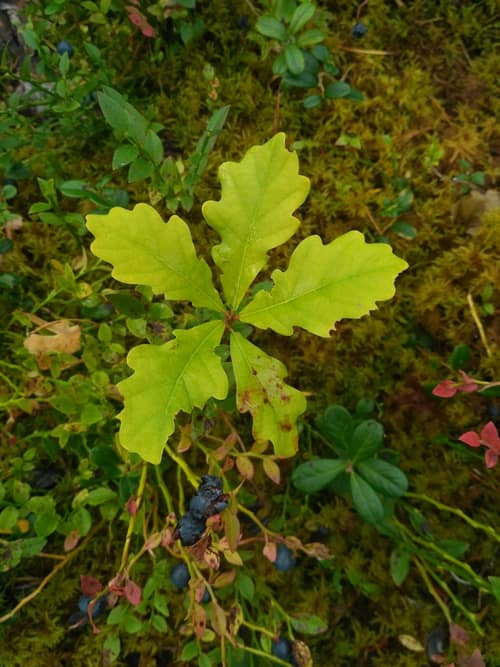
Primary Host (c) Natalya Ivanova, some rights reserved (CC BY) · cc-by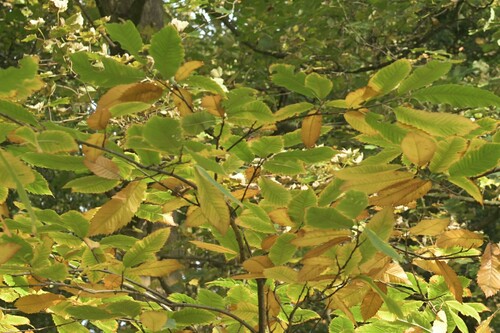
Host Plant no rights reserved · cc0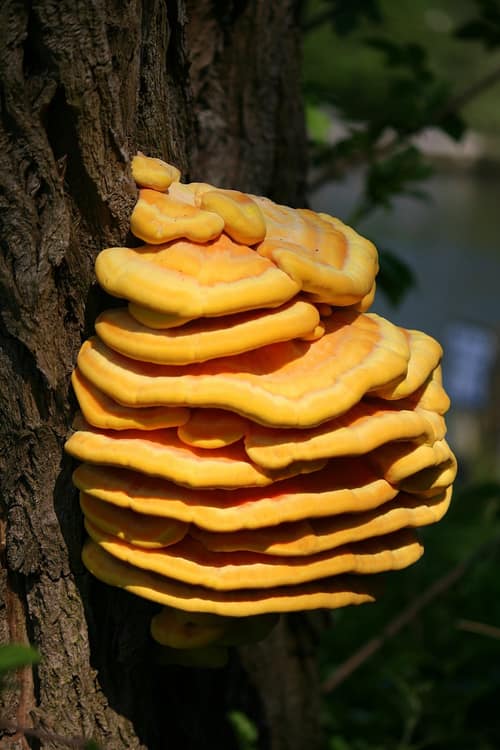
Co-Occurring Polypore Rror / CC BY-SA 3.0 · cc-by-sa
Help improve the field guideSomething wrong?
Checking your Fauna account…Report a name, category, or profile issue for review.