
Fungus · GBIF taxon 2530625
Termite Hill Mushroom
Termitomyces microcarpusAlso known as Little Termite Mushroom, Tiny Termite Mushroom, Micro Termite Mushroom
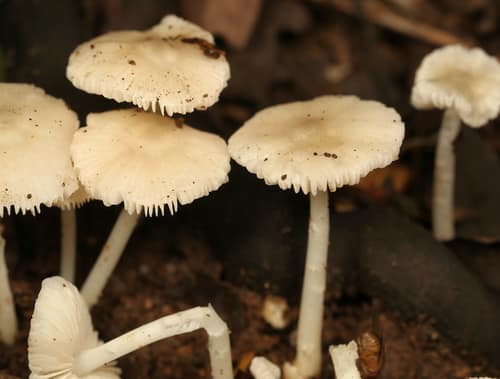
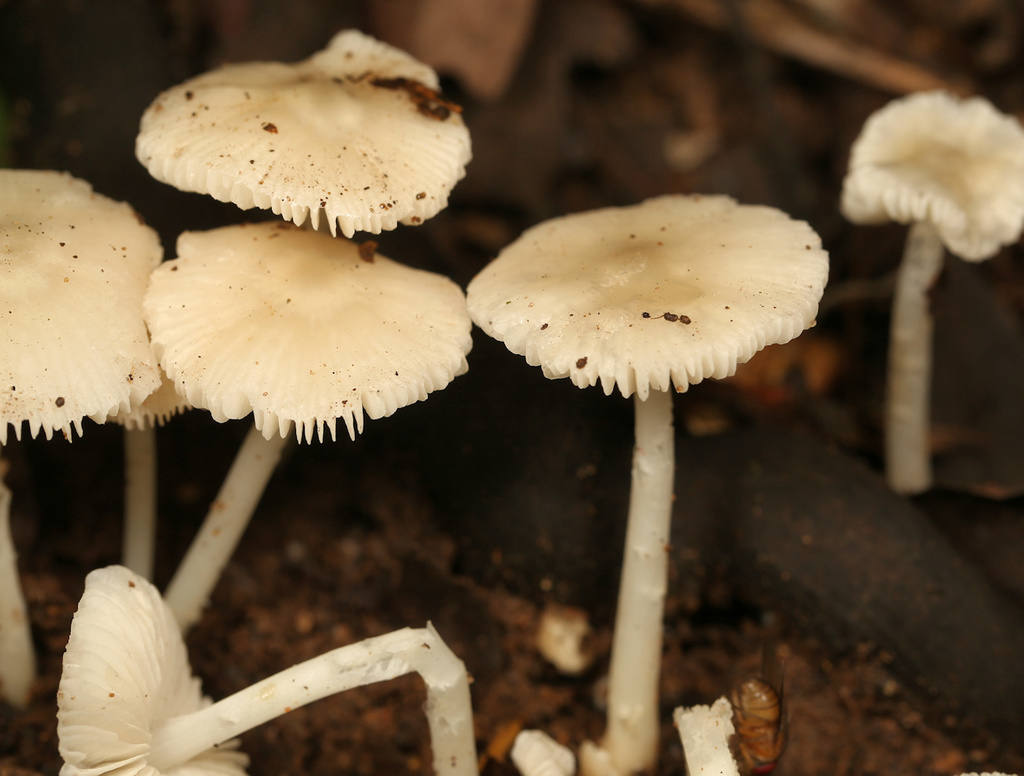
Termite hill mushrooms emerge in abundant, dense clusters around subterranean termite mounds following seasonal monsoon rains. Underground, termite workers cultivate the fungal mycelium on digested plant comb, relying on the fungus to break down complex lignin and cellulose. The tiny white fruiting bodies erupt rapidly above ground, featuring delicate conical caps that flatten with age and slender pseudorhiza stems anchored in the nest soil.
FungusSymbiontRainforest
 1 / 7
1 / 7—observations
—countries
—peak records
Not EvaluatedConservation statusIUCN Red List categoriesLCNTVUENCREWEXNot Evaluated — not placed on the risk ladderRed List categories, explained →
Diet & prey
- Symbiotic decomposition of plant matter in termite comb
Predators
- Insects
- Gastropods
- Small Mammals
ThreatsHabitat disruption, deforestation, and soil disturbance
HabitatsDeciduous forests, grasslands, and bamboo thickets near termite nests
Life spanFruiting body 1–3 days; underground colony persists for years
Size / weightNot available
Classification
- OrderAgaricales
- FamilyLyophyllaceae
- GenusTermitomyces
- SpeciesTermitomyces microcarpus
Range data is not available yet.
Interaction riskLow
- Low
- Moderate
- High
- Very high
- Why interaction risk is low
- Many edible mushrooms have toxic look-alikes; never eat wild fungi based on app identification alone.
Responsible observation
- Spotting flushes: Scan the ground around old termite mounds after warm tropical rains.
- Photography: Capture low-angle views to highlight the tiny caps arising directly from soil.
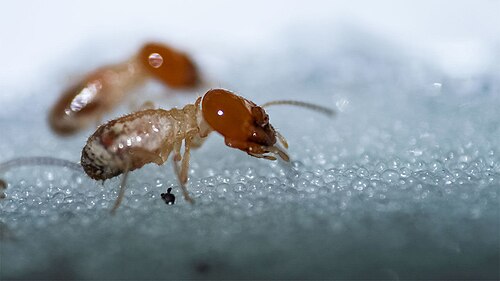
Symbiont Nikhil More / CC BY-SA 4.0 · cc-by-sa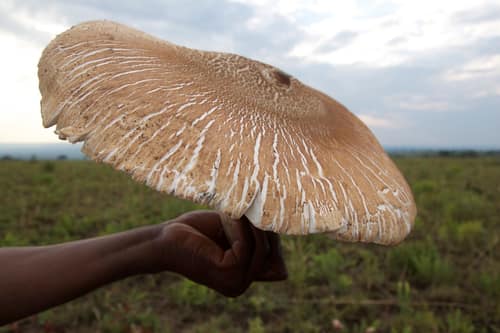
Close Relative Blimeo / CC BY-SA 4.0 · cc-by-sa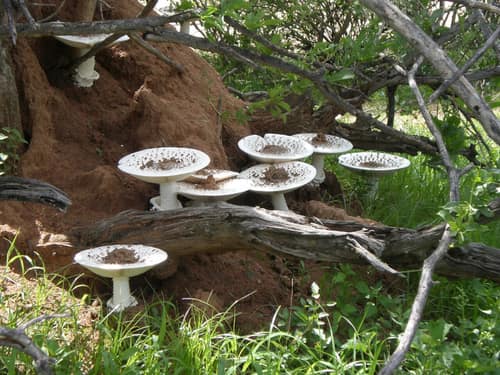
Close Relative This image was created by user Candice (Candice) at Mushroom Observer, a source for mycological images.You can contact this user here. / CC BY-SA 3.0 · cc-by-sa
Help improve the field guideSomething wrong?
Checking your Fauna account…Report a name, category, or profile issue for review.