
Fungus · GBIF taxon 2527302
Pinewood Gingertail
Xeromphalina campanellaAlso known as Golden Trumpet, Bell Omphalina
Pinewood gingertails are tiny, bell-shaped mushrooms that sprout in dense, gregarious clusters on decaying coniferous wood and decaying stumps across northern temperate forests. Their translucent, orange-brown caps feature deep radial striations and sunken centers that echo their bright yellow gills underneath. These hardy decomposers break down complex wood compounds, playing a vital role in recycling nutrients through evergreen ecosystems.
FungusWood-DecayerClusters
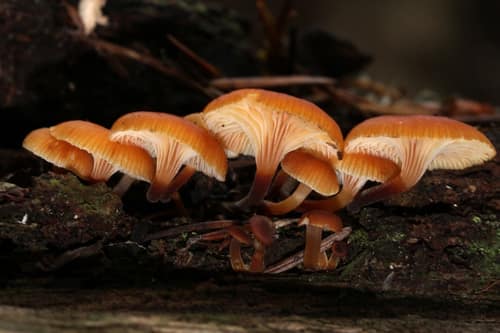
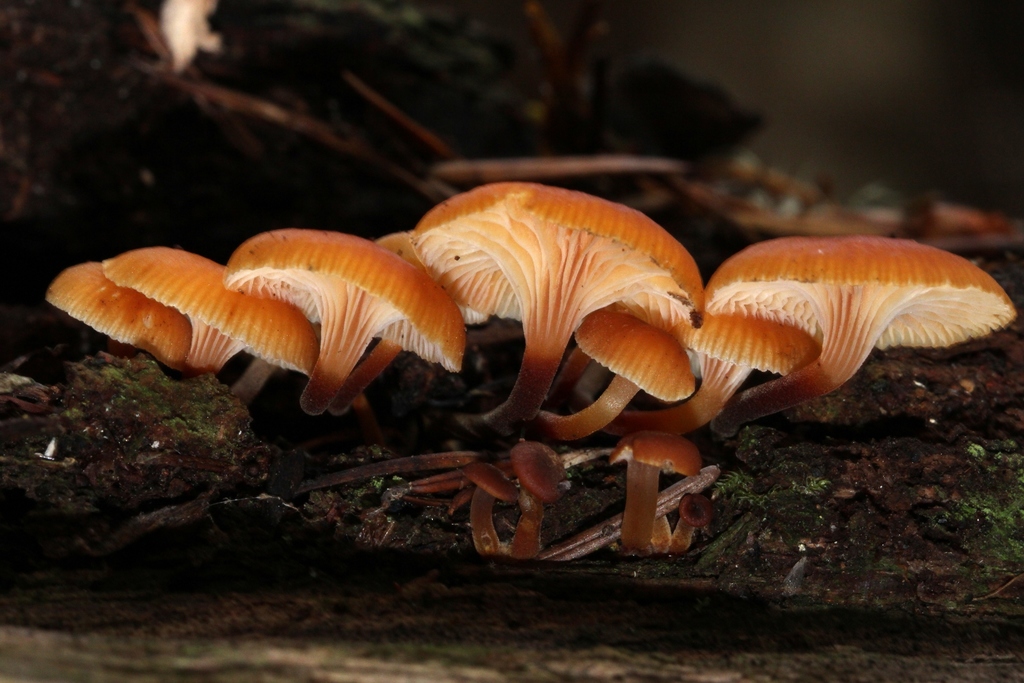 1 / 7
1 / 7—observations
—countries
—peak records
Least ConcernConservation statusIUCN Red List categoriesLCNTVUENCREWEXLeast ConcernRed List categories, explained →
Diet & prey
- Saprotrophic (decomposing wood)
Predators
- Fungal Gnats
- Slugs
- Springtails
ThreatsDeforestation and clear-cutting of old-growth forests
HabitatsConiferous forests, pine logs, rotting stumps
Life spanMycelium lives perennially; fruiting bodies last several days
Size / weightNot available
Classification
- OrderAgaricales
- FamilyMycenaceae
- GenusXeromphalina
- SpeciesXeromphalina campanella
Range data is not available yet.
Interaction riskLow
- Low
- Moderate
- High
- Very high
- Why interaction risk is low
- Many wild mushrooms have toxic look-alikes; never ingest wild fungi based on app identification alone.
Responsible observation
- Habitat Check: Look for dense troops growing directly out of moist pine, fir, or spruce stumps and logs.
- Stem Detail: Examine the base of the stem for dark brown velvety hairs characteristic of this genus.
- Spore Print: Place a mature cap on white paper to observe its pale yellowish spore print.
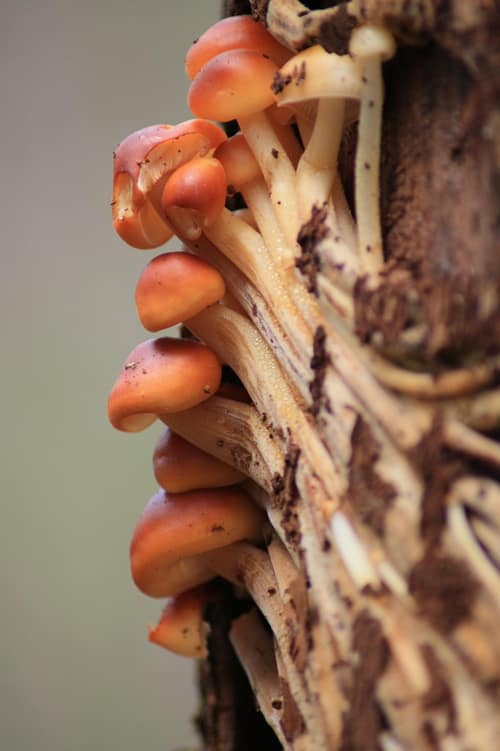
Look-Alike (c) GollyGforce, some rights reserved (CC BY) · cc-by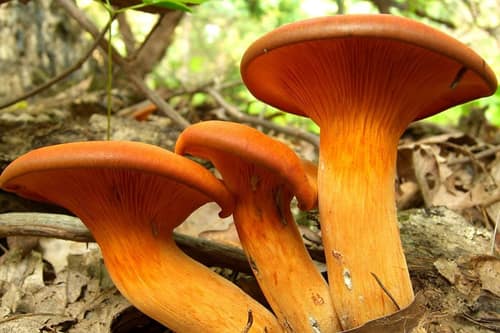
Look-Alike (c) Jason Hollinger, some rights reserved (CC BY) · cc-by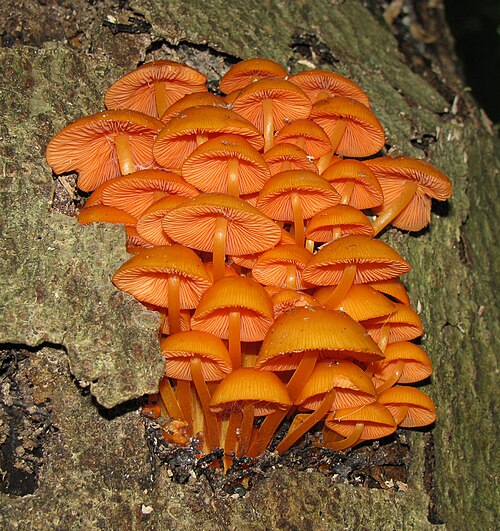
Close Relative Dan Molter (shroomydan) / CC BY-SA 3.0 · cc-by-sa
Help improve the field guideSomething wrong?
Checking your Fauna account…Report a name, category, or profile issue for review.