
Fungus
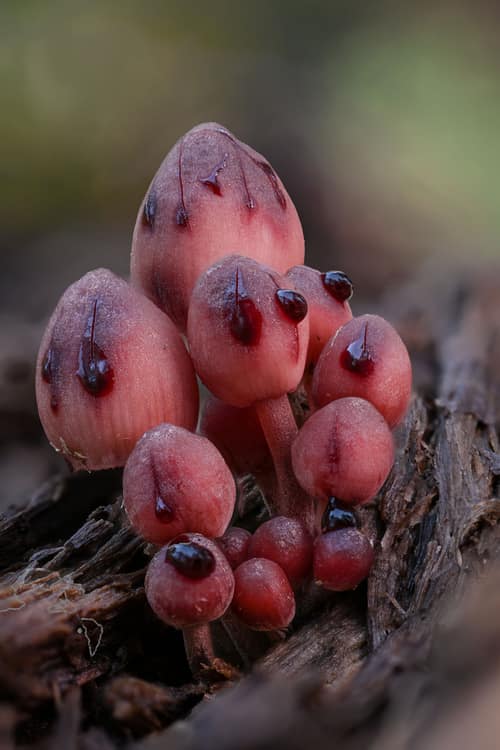
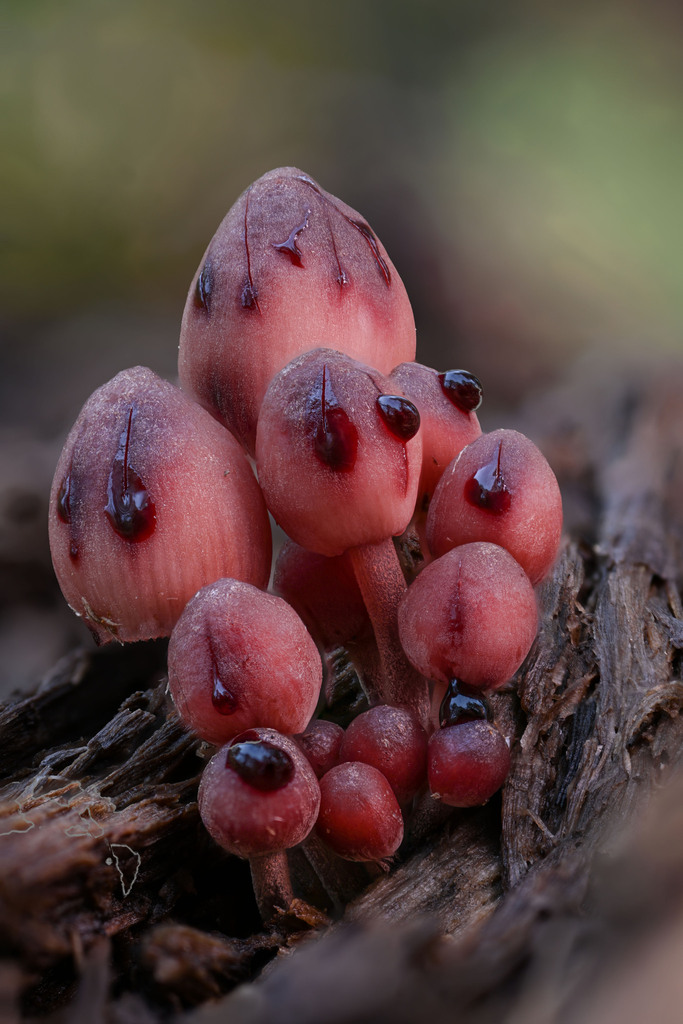
Bleeding Fairy Helmet
Mycena haematopusAlso known as Burgundydrop Bonnet, Bleeding Mycena
Bleeding fairy helmets grow in dense clusters on decaying hardwood logs and stumps throughout temperate forests. When bruised or cut, the delicate mushroom exuded a dark reddish-purple latex that resembles blood droplets, a defensive secretion laden with antimicrobial alkaloids. Cultured mycelium of this wood-rotting saprotroph displays faint bioluminescence, glowing green under pitch-dark conditions.
WoodlandSaprophyteForest Floor
—observations
—countries
—peak records
Not EvaluatedConservation statusIUCN Red List categoriesLCNTVUENCREWEXNot Evaluated — not placed on the risk ladderRed List categories, explained →
Diet & preyLignin, Cellulose, Decaying organic matter
Predators
- Fungus gnats
- Slugs
- Springtails
ThreatsDeforestation and intensive removal of deadwood
HabitatsDeciduous and mixed temperate woodlands
Life spanFruiting body lasts 3–7 days; mycelium survives years
Classification
- FamilyMycenaceae
- SpeciesMycena haematopus
Range data is not available yet.
Interaction riskLow
- Low
- Moderate
- High
- Very high
- Why interaction risk is low
- Many edible mushrooms have toxic look-alikes; never eat wild fungi based on app identification alone.
Responsible observation
- Inspection: Gently press a stem with a hand lens nearby to observe the ruby-red latex flow.
- Habitat Clues: Search moss-covered birch or oak logs in damp autumn woods.
- Preservation: Avoid removing entire clusters to let spores disperse into surrounding deadwood.
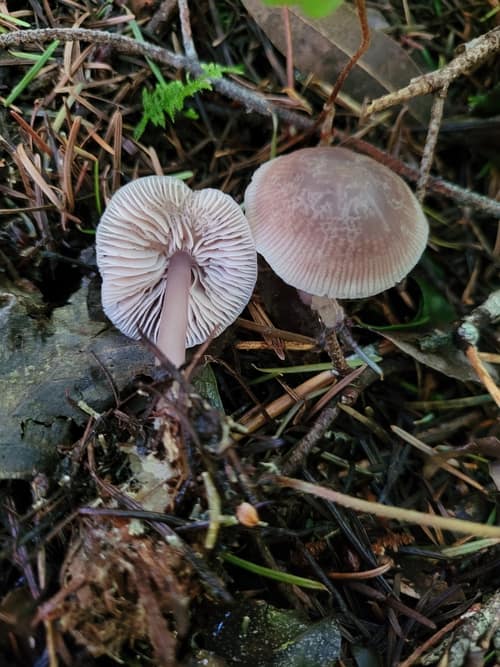
Same Genus (c) Mandy Hackney, some rights reserved (CC BY), uploaded by Mandy Hackney · cc-by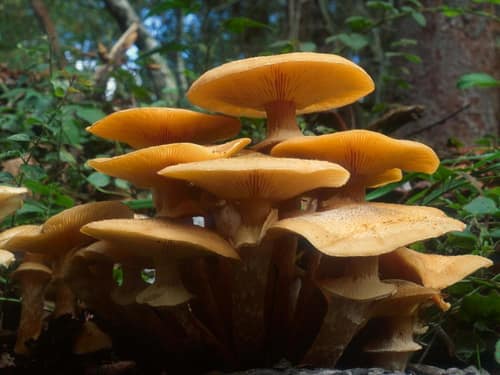
Competitor (c) Nathan Wilson, some rights reserved (CC BY-SA) · cc-by-sa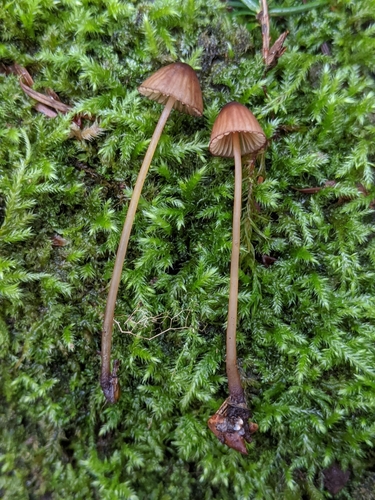
Close Relative (c) Sharon Squazzo, some rights reserved (CC BY), uploaded by Sharon Squazzo · cc-by
Help improve the field guideSomething wrong?
Checking your Fauna account…Report a name, category, or profile issue for review.