
Fungus · GBIF taxon 2526880
Common Bonnet
Mycena galericulataAlso known as Toque Mycena, Common Mycena, Rosy-Gill Fairy Helmet
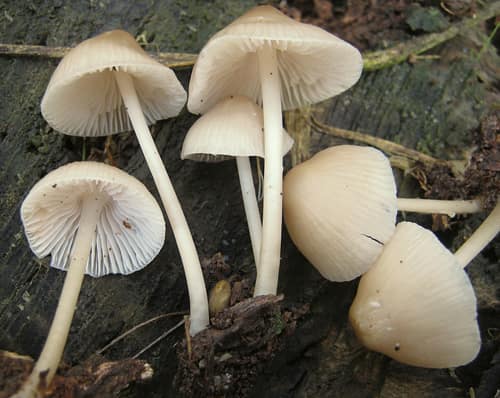
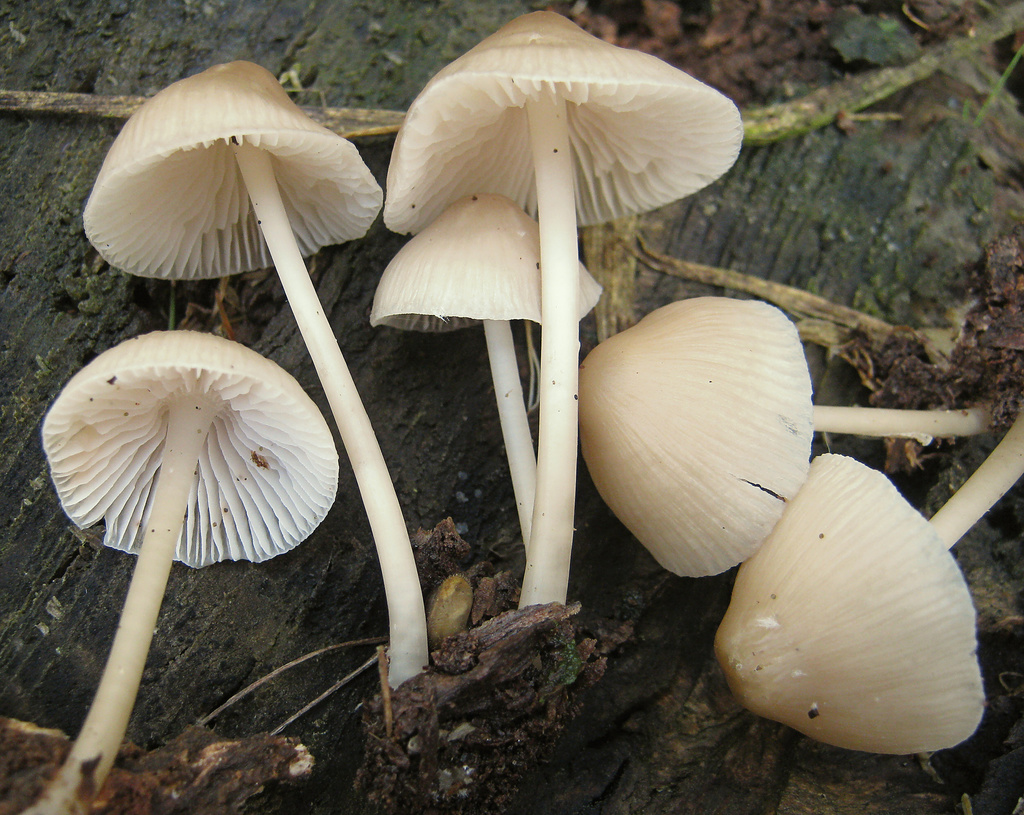
Common bonnets sprout in dense clusters from decaying logs and stumps across temperate forests, playing a vital role in recycling forest nutrients. Their bell-shaped caps shift from pale grey-brown to subtle pinkish hues as their spores mature inside the pale, cross-veined gills. These resilient saprobes persist from spring through late autumn, often remaining intact even after early frosts.
FungusWood-DecayerSaprobic
—observations
—countries
—peak records
Not EvaluatedConservation statusIUCN Red List categoriesLCNTVUENCREWEXNot Evaluated — not placed on the risk ladderRed List categories, explained →
Diet & prey
- Dead wood
- Lignin
- Cellulose
Predators
- Fungus gnats
- Slugs
- Snails
ThreatsHabitat loss from clear-cutting and intensive forestry
HabitatsDeciduous and coniferous woodlands, rotting logs, stumps
Life spanFruiting body lasts 1–2 weeks; mycelium lives for years
Classification
- OrderAgaricales
- FamilyMycenaceae
- GenusMycena
- SpeciesMycena galericulata
Range data is not available yet.
Interaction riskLow
- Low
- Moderate
- High
- Very high
- Why interaction risk is low
- Many wild mushrooms have toxic look-alikes; never eat wild fungi based on app identification alone.
Responsible observation
- Spotting clusters: Look for dense tufts growing directly out of soft, rotting logs and stumps.
- Examining gills: Look underneath mature caps to notice the pale gills turning pinkish and cross-veined.
- Inspecting stems: Gently feel the tough, fibrous stem anchored deep inside decaying wood.
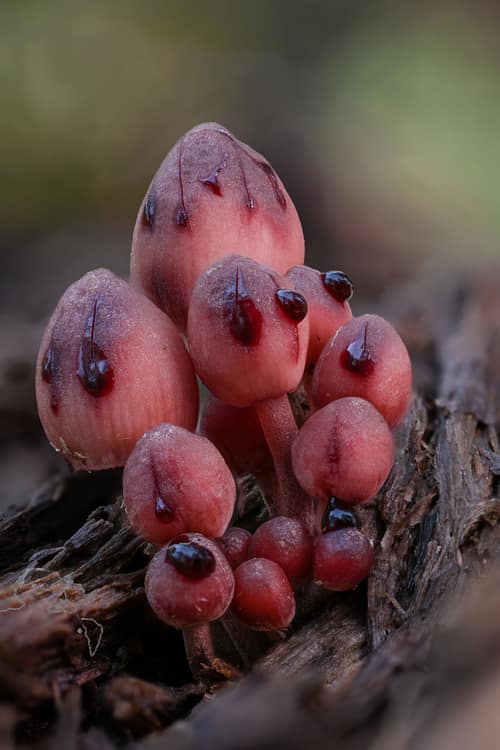
Close Relative (c) Alan Rockefeller, some rights reserved (CC BY), uploaded by Alan Rockefeller · cc-by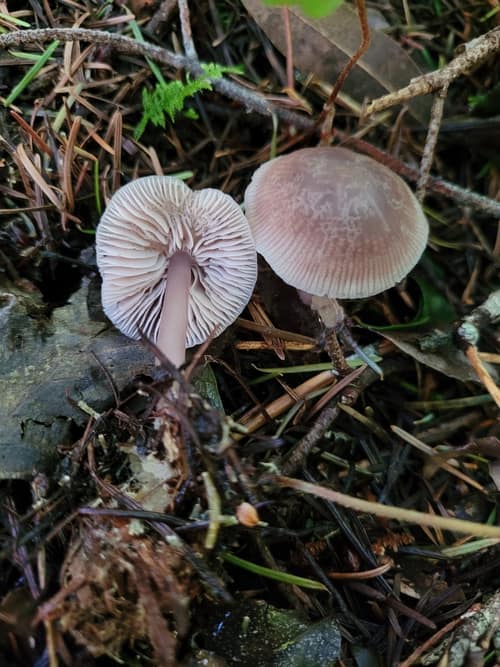
Close Relative (c) Mandy Hackney, some rights reserved (CC BY), uploaded by Mandy Hackney · cc-by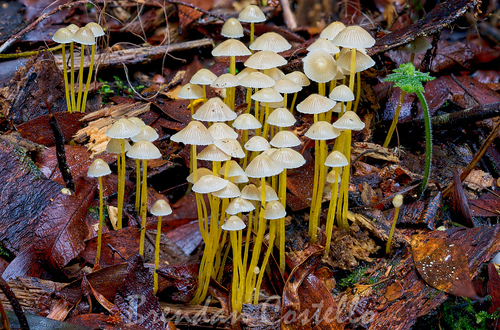
Close Relative (c) Brendan Costello, some rights reserved (CC BY), uploaded by Brendan Costello · cc-by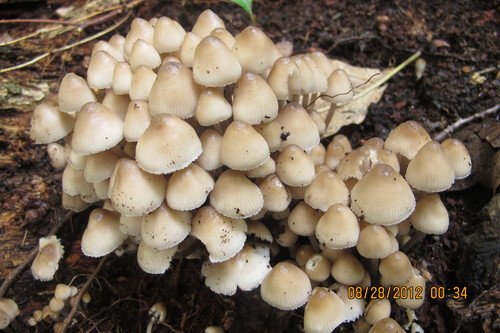
Close Relative (c) mycowalt, some rights reserved (CC BY-SA), uploaded by mycowalt · cc-by-sa
Help improve the field guideSomething wrong?
Checking your Fauna account…Report a name, category, or profile issue for review.