
Fungus · GBIF taxon 2525710
False Chanterelle
Hygrophoropsis aurantiacaAlso known as Orange Chanterelle, False Golden Chanterelle
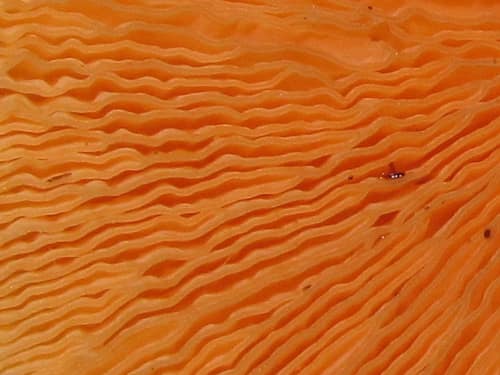
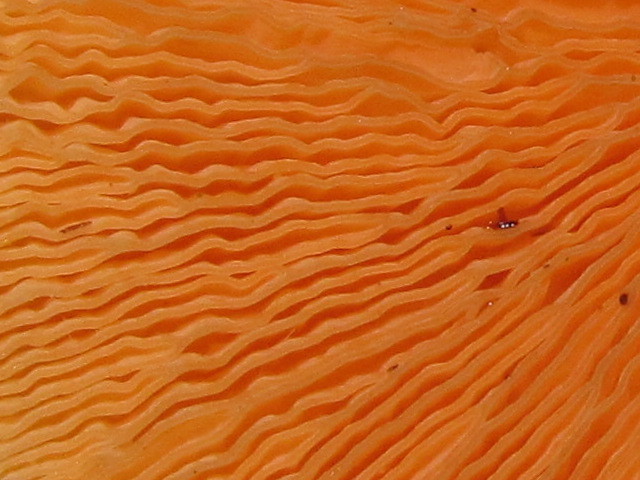
False chanterelles sport vibrant orange-yellow caps with soft, repeatedly forked gills that run down a darker stem. These saprotrophic fungi break down decaying wood and needle litter in coniferous forests across the Northern Hemisphere. Unlike true chanterelles, they feature true gills rather than blunt ridges and lack a fruity, apricot-like aroma.
SaprophyticForestFungus
 1 / 7
1 / 7—observations
—countries
—peak records
Not EvaluatedConservation statusIUCN Red List categoriesLCNTVUENCREWEXNot Evaluated — not placed on the risk ladderRed List categories, explained →
Diet & prey
- Saprotrophic (decomposing dead wood and needle litter)
Predators
- Fungus gnats
- Slugs
- Squirrels
ThreatsHabitat loss, clearcutting
HabitatsConiferous and mixed woodlands, heathlands, rotting logs
Life spanFruiting bodies persist for 1–2 weeks; mycelium lives perennially
Size / weightNot available
Classification
- OrderBoletales
- FamilyHygrophoropsidaceae
- GenusHygrophoropsis
- SpeciesHygrophoropsis aurantiaca
Range data is not available yet.
Interaction riskHigh
- Low
- Moderate
- High
- Very high
- Why interaction risk is high
- Can cause gastrointestinal distress; wild fungi have toxic look-alikes and should never be eaten based on app identification.
- Why it is dangerous
- Contains toxins that can trigger gastrointestinal distress, cramps, and nausea when consumed.
- How to recognize a risky encounter
- Look for repeatedly forked, thin orange gills running down a dark stem and a soft, flexible cap.
- What to do
- Safe to touch for field identification, but avoid ingesting wild mushrooms.
Responsible observation
- Examine the Gills: Look closely underneath the cap for thin, repeatedly branching gills rather than thick fold-like ridges.
- Check the Substrate: Note whether it grows directly on rotting wood or coniferous needle duff rather than soil.
- Assess the Flesh: Slice the stem open to observe soft, brownish-orange interior tissue rather than solid white flesh.
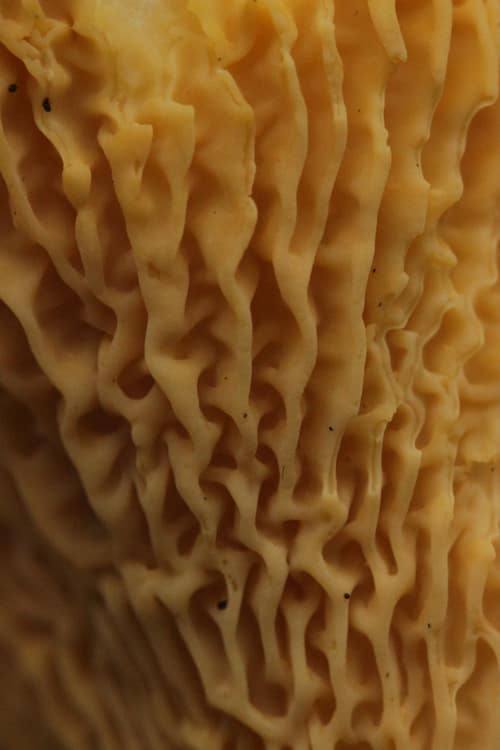
Look-Alike (c) Björn S..., some rights reserved (CC BY-SA) · cc-by-sa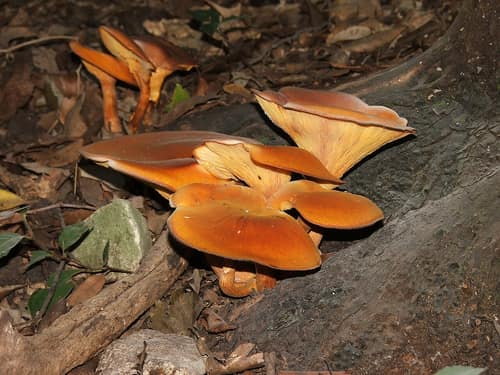
Toxic Look-Alike Antonio Abbatiello / Public domain · cc0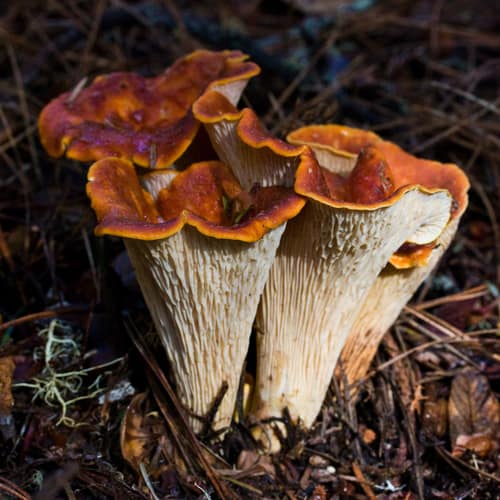
Look-Alike (c) Ken-ichi Ueda, some rights reserved (CC BY) · cc-by
Help improve the field guideSomething wrong?
Checking your Fauna account…Report a name, category, or profile issue for review.