
Fungus · GBIF taxon 2522210
Red-juice Tooth
Hydnellum peckiiAlso known as Bleeding Tooth Fungus, Devil's Tooth, Strawberries and Cream, Bleeding Hydnellum
Young fruit bodies exude striking ruby-red guttation droplets across a velvety white surface during moist, humid mornings. Below the cap, delicate tooth-like spines replace conventional gills, darkening from pale pink to dull purplish-brown as spores mature. Deep underground, extensive mycelial filaments form vital mycorrhizal partnerships with conifer roots, exchanging scavenged minerals for host tree sugars.
Tooth FungusMycorrhizalForest Floor
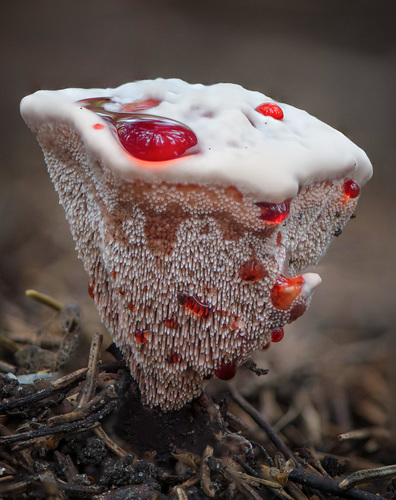
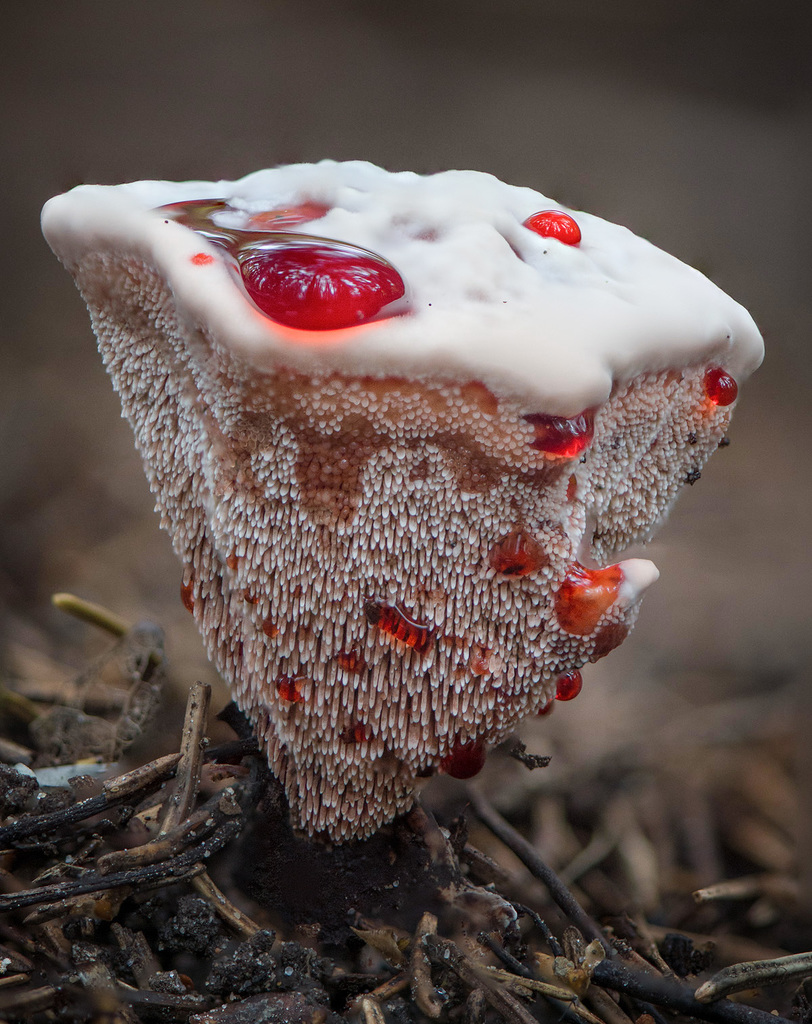 1 / 7
1 / 7—observations
—countries
—peak records
Least ConcernConservation statusIUCN Red List categoriesLCNTVUENCREWEXLeast ConcernRed List categories, explained →
Diet & prey
- Mycorrhizal symbiont (absorbs tree carbohydrates in exchange for soil minerals)
Predators
- Fungus gnat larvae
- Slugs
- Springtails
ThreatsAtmospheric nitrogen pollution, soil compaction, and clear-cut forestry
HabitatsBoreal and subalpine coniferous forests among moss and fallen needles
Life spanFruit bodies persist 2–4 months; underground mycelium lives decades
Classification
- FamilyBankeraceae
- SpeciesHydnellum peckii
Range data is not available yet.
Interaction riskLow
- Low
- Moderate
- High
- Very high
- Why interaction risk is low
- Many edible mushrooms have toxic look-alikes; never eat wild fungi based on app identification alone.
Responsible observation
- Observation: Search damp conifer moss beds during late summer and autumn after steady rains.
- Field Identification: Check underneath the cap for downward-pointing spines rather than pores or gills.
- Preservation: Avoid touching fresh guttation droplets or uprooting the fibrous, slow-decaying cap.
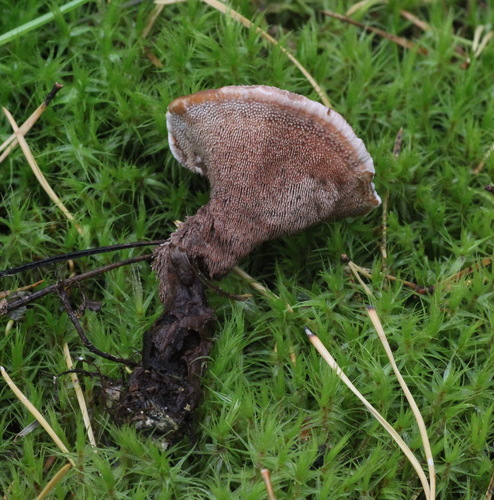
Look-alike (c) Nina Filippova, some rights reserved (CC BY), uploaded by Nina Filippova · cc-by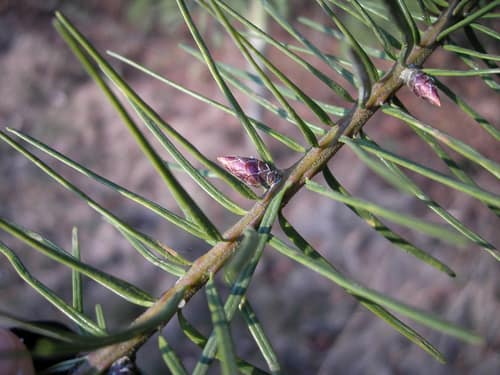
Host Tree (c) Danny Steaven, some rights reserved (CC BY-SA) · cc-by-sa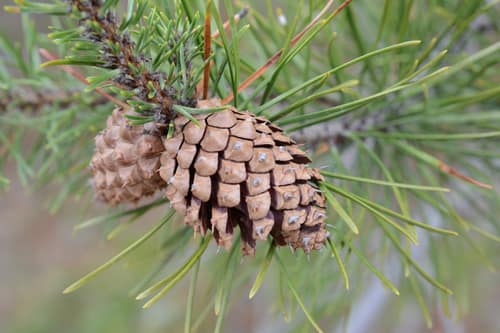
Host Tree (c) Alison Northup, some rights reserved (CC BY), uploaded by Alison Northup · cc-by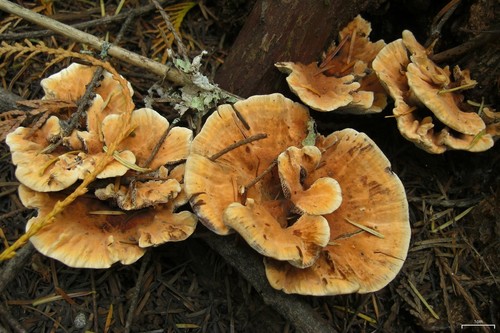
Close Relative (c) Jason Hollinger, some rights reserved (CC BY) · cc-by
Help improve the field guideSomething wrong?
Checking your Fauna account…Report a name, category, or profile issue for review.