
Fungus · GBIF taxon 2520773
Aspen Bracket
Phellinus tremulaeAlso known as Aspen Trunk Rot Fungus, Aspen Phellinus
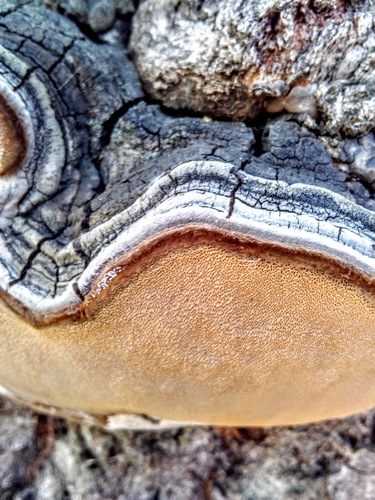
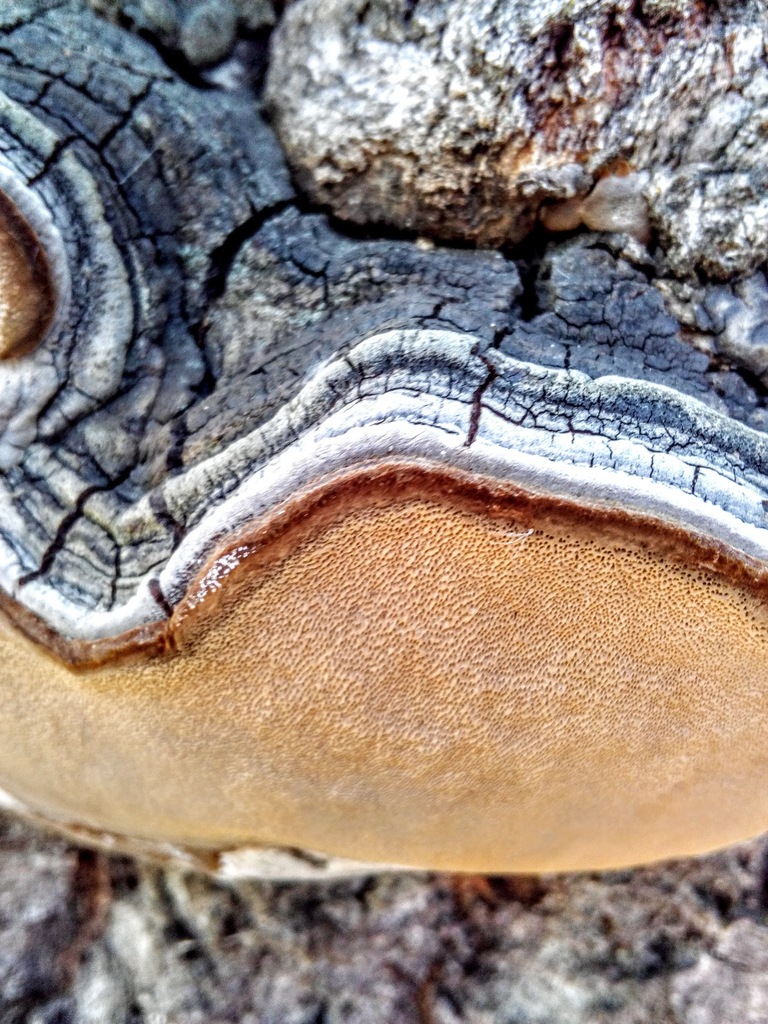
Aspen brackets form hard, hoof-shaped woody caps that erupt directly from the trunks of living aspen trees. They cause a heart-rot decay that weakens the interior wood while leaving the outer shell standing, creating crucial hollows for cavity-nesting birds like woodpeckers and owls. Perennial fruiting bodies add a new pore layer each year, slowly developing a cracked, dark grey upper crust with a rich cinnamon-brown underside.
Wood-decayingPerennialHoof-shaped
 1 / 7
1 / 7—observations
—countries
—peak records
Not EvaluatedConservation statusIUCN Red List categoriesLCNTVUENCREWEXNot Evaluated — not placed on the risk ladderRed List categories, explained →
Diet & prey
- Aspen wood tissue
- Lignin
- Cellulose
Predators
- Beetle larvae
- Fungus gnats
- Mites
ThreatsHost tree removal and clear-cut logging
HabitatsBoreal and temperate forests with aspen stands
Life spanPerennial (fruiting bodies persist for decades)
Classification
- FamilyHymenochaetaceae
- SpeciesPhellinus tremulae
Range data is not available yet.
Interaction riskLow
- Low
- Moderate
- High
- Very high
- Why interaction risk is low
- Many edible mushrooms have toxic look-alikes; never eat wild fungi based on app identification alone.
Responsible observation
- Tree Assessment: Look for hoof-shaped brackets protruding high up on mature trembling aspen trunks.
- Ecological Context: Observe nearby cavity holes, as heart-rotted wood provides nesting sites for wildlife.
- Visual Cues: Note the cracked, dark grey upper surface and golden-brown underside.
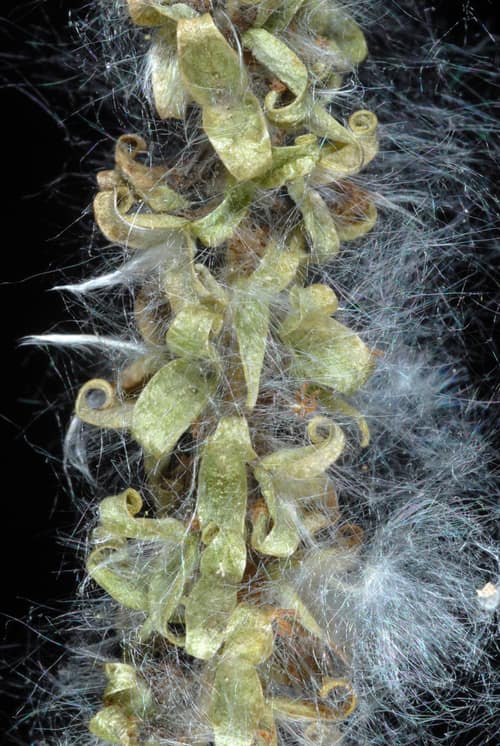
Host Plant (c) Douglas Goldman, some rights reserved (CC BY-SA), uploaded by Douglas Goldman · cc-by-sa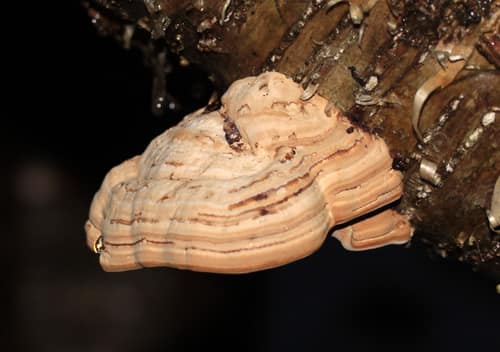
Ecological Similar (c) Jamie Griffiths, some rights reserved (CC BY), uploaded by Jamie Griffiths · cc-by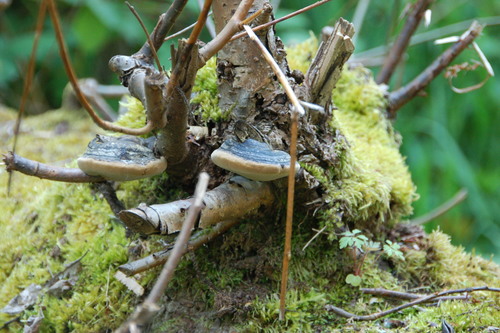
Close Relative (c) Gunnar Bonk, some rights reserved (CC BY-SA) · cc-by-sa
Help improve the field guideSomething wrong?
Checking your Fauna account…Report a name, category, or profile issue for review.