
Fungus · GBIF taxon 2519413
Red-cracking Bolete
Xerocomellus chrysenteronAlso known as Red Cracking Bolete, Yellow-fleshed Bolete
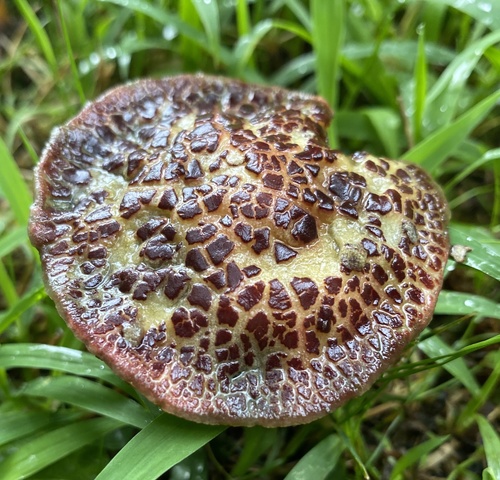
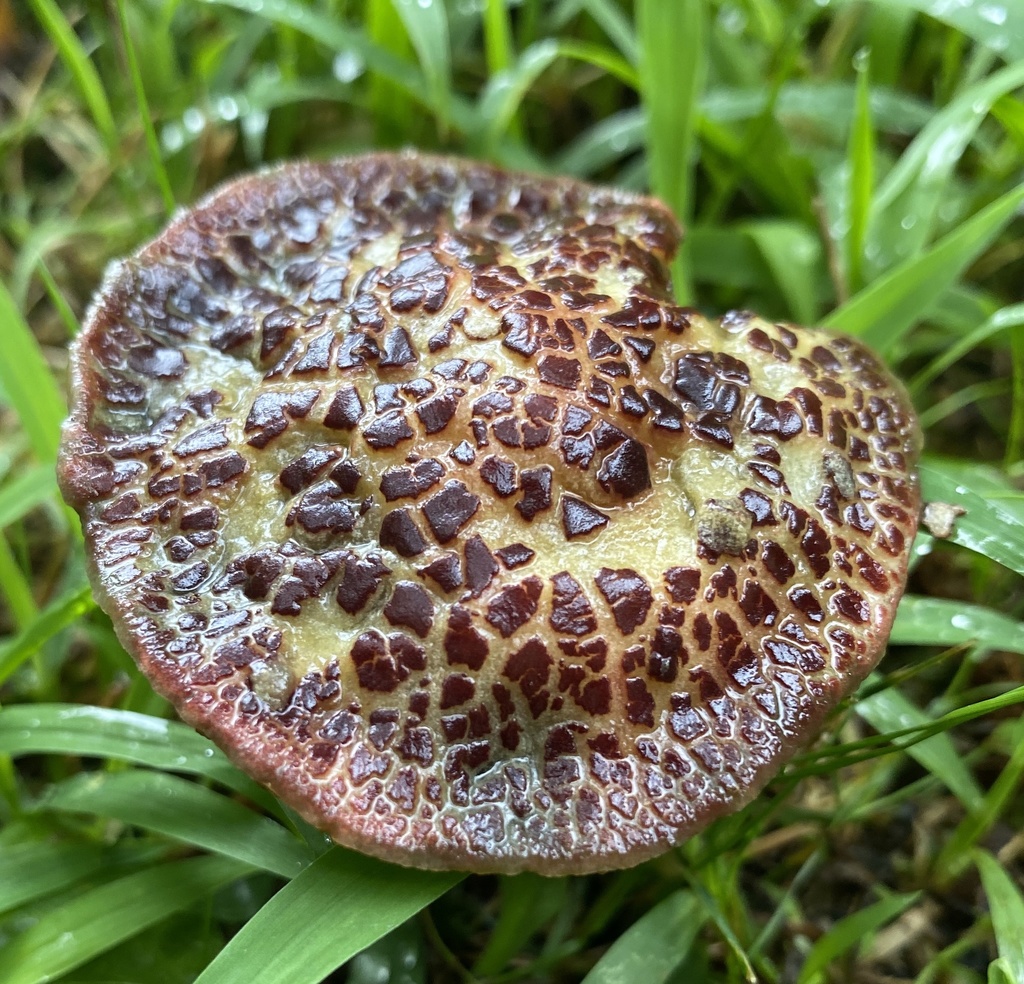
Red-cracking boletes emerge in damp deciduous and coniferous forests throughout the Northern Hemisphere. Their dry, olive-brown caps split as they mature, revealing a striking layer of pinkish-red flesh directly beneath the upper surface skin. Bright yellow pores on the cap underside bruise slowly blue-green when pressed, marking their active symbiotic relationship with host trees.
Forest FloorMycorrhizalPored Fungus
—observations
—countries
—peak records
Least ConcernConservation statusIUCN Red List categoriesLCNTVUENCREWEXLeast ConcernRed List categories, explained →
Diet & prey
- Oak Roots
- Beech Roots
- Pine Roots
Predators
- Slugs
- Fungus Gnat Larvae
- Squirrels
ThreatsDeforestation and heavy soil compaction
HabitatsDeciduous and coniferous woodlands
Life spanFruiting body lasts 5–10 days
Size / weightNot available
Classification
- OrderBoletales
- FamilyBoletaceae
- GenusXerocomellus
- SpeciesXerocomellus chrysenteron
Range data is not available yet.
Interaction riskLow
- Low
- Moderate
- High
- Very high
- Why interaction risk is low
- Many edible mushrooms have toxic look-alikes; never eat wild fungi based on app identification alone.
Responsible observation
- Pores: Examine beneath the cap to confirm yellow pores instead of gills.
- Bruising: Gently press the yellow pore layer to observe a slow blue-green color change.
- Cap Texture: Inspect mature specimens for distinct reddish fissures across the brown skin.
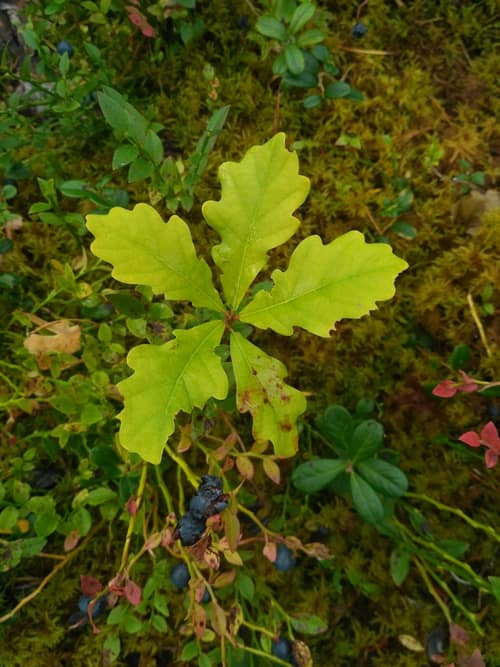
Mycorrhizal Host (c) Natalya Ivanova, some rights reserved (CC BY) · cc-by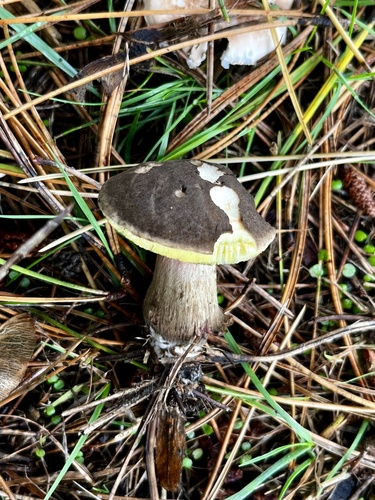
Close Relative (c) Kieran Roy Powell, some rights reserved (CC BY) · cc-by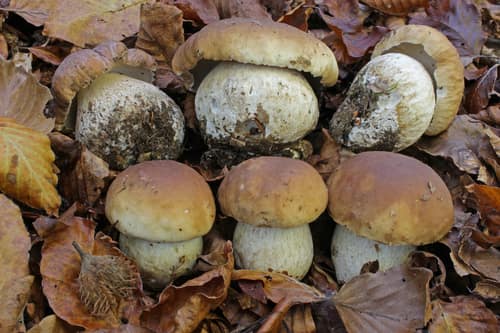
Family Member (c) Davide Puddu, some rights reserved (CC BY), uploaded by Davide Puddu · cc-by
Keep collecting in Fauna
Found in Collections
Species set Pro
Fungi Forager
Red-cracking Bolete is found in this collection. Identify it in Fauna to fill this slot and continue your progress.
Unlock to track progress
Help improve the field guideSomething wrong?
Checking your Fauna account…Report a name, category, or profile issue for review.