
Bird · GBIF taxon 2493128
Great Reed Warbler
Acrocephalus arundinaceusGreat reed warblers dominate Eurasian wetlands each spring with powerful, rasping songs belted from swaying reed tops over deep water. Males vigorously defend territories along lake margins, often attracting multiple mates when habitat quality permits. Nests are architectural wonders, woven securely between upright reed stalks to stay dry above fluctuating water levels while withstanding heavy winds.
MigratorySongbirdWetland
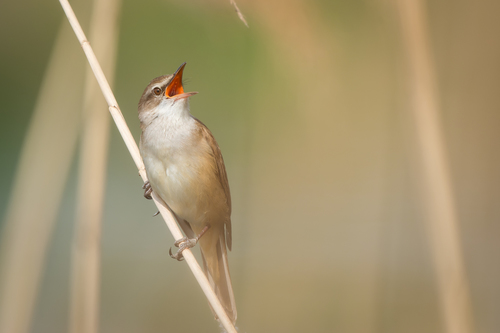
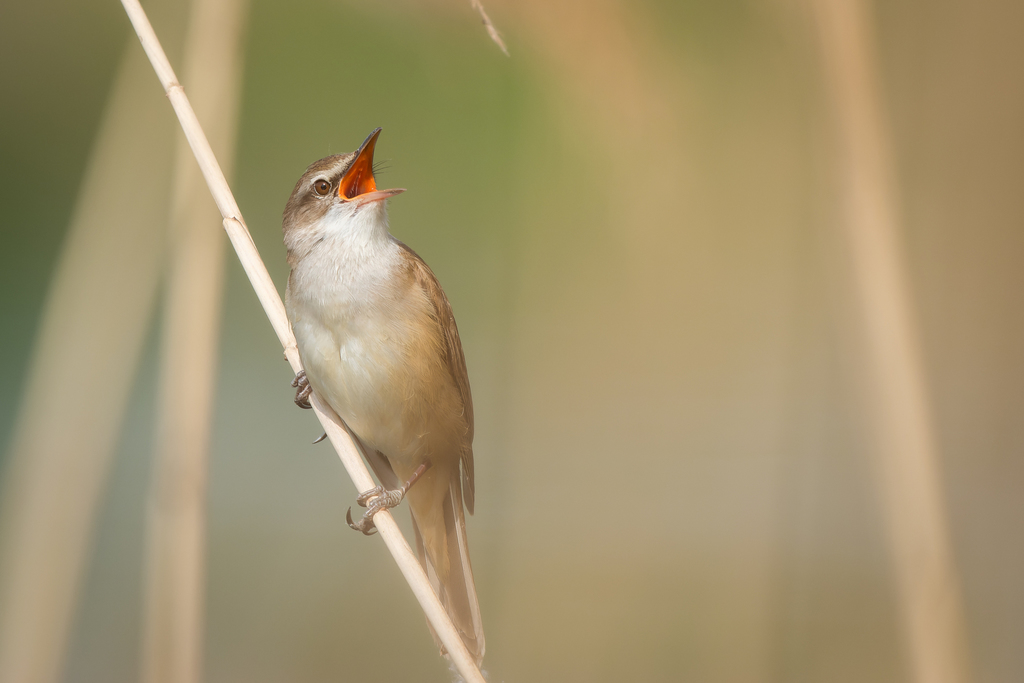 1 / 7
1 / 7—observations
—countries
—peak records
Least ConcernConservation statusIUCN Red List categoriesLCNTVUENCREWEXLeast ConcernRed List categories, explained →
Diet & prey
- Dragonflies
- Damselflies
- Water Beetles
Predators
- Western Marsh Harrier
- Grass Snake
- American Mink
ThreatsWetland drainage, reed bed destruction, and climate disruption
HabitatsReed beds, marshes, lake margins, riverbanks, and winter scrub
Life span5–9 years
Size / weightNot available
Classification
- OrderPasseriformes
- FamilyAcrocephalidae
- GenusAcrocephalus
- SpeciesAcrocephalus arundinaceus
Range data is not available yet.
Interaction riskLow
- Low
- Moderate
- High
- Very high
- Why interaction risk is low
- Safe to observe at a normal distance.
Responsible observation
- Listen Carefully: Locate singing males in spring by their loud, grating vocalizations along marsh borders.
- Scan Stalk Tops: Look for adults perching on tall reeds as they survey for insects or rival males.
- Minimize Disturbance: Keep binoculars ready from established paths to avoid crushing delicate nesting reeds.
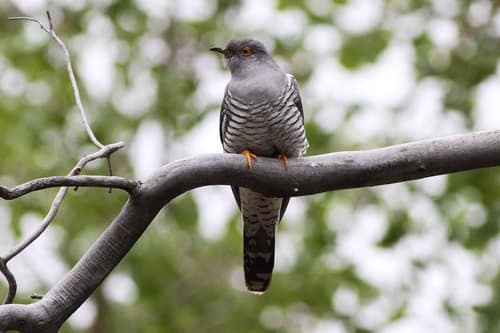
Brood Parasite Ron Knight from Seaford, East Sussex, United Kingdom / CC BY 2.0 · cc-by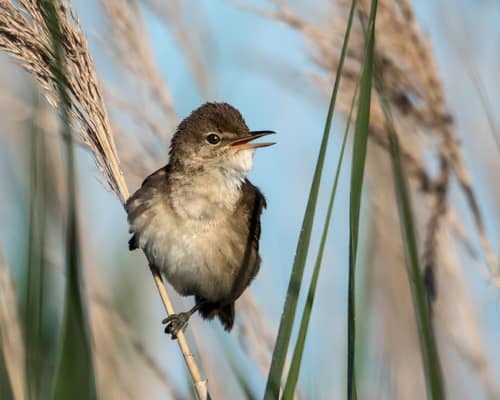
Close Relative (c) Alan Shearman, some rights reserved (CC BY) · cc-by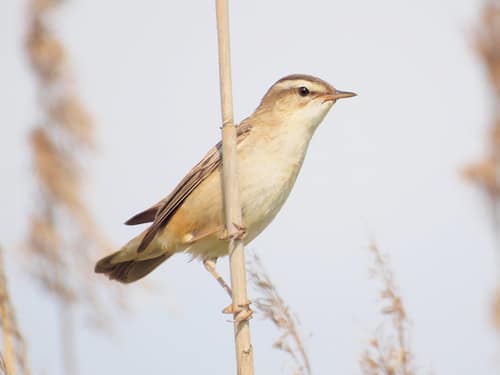
Close Relative (c) Billy Lindblom, some rights reserved (CC BY) · cc-by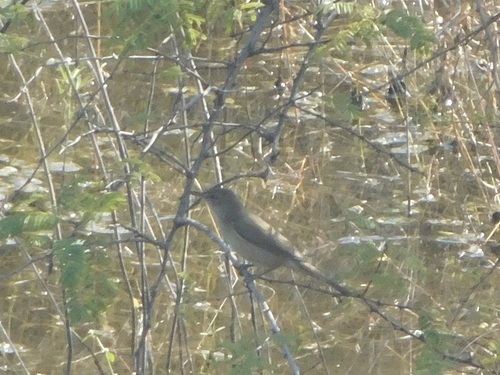
Close Relative (c) Aryan K, some rights reserved (CC BY) · cc-by
Help improve the field guideSomething wrong?
Checking your Fauna account…Report a name, category, or profile issue for review.