
Bird · GBIF taxon 2490363
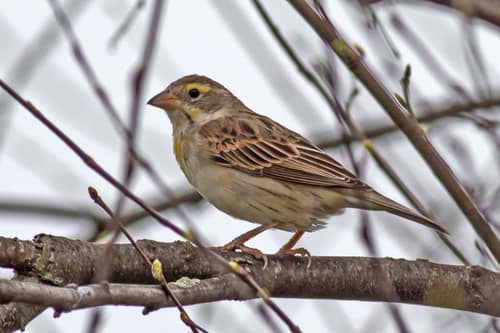
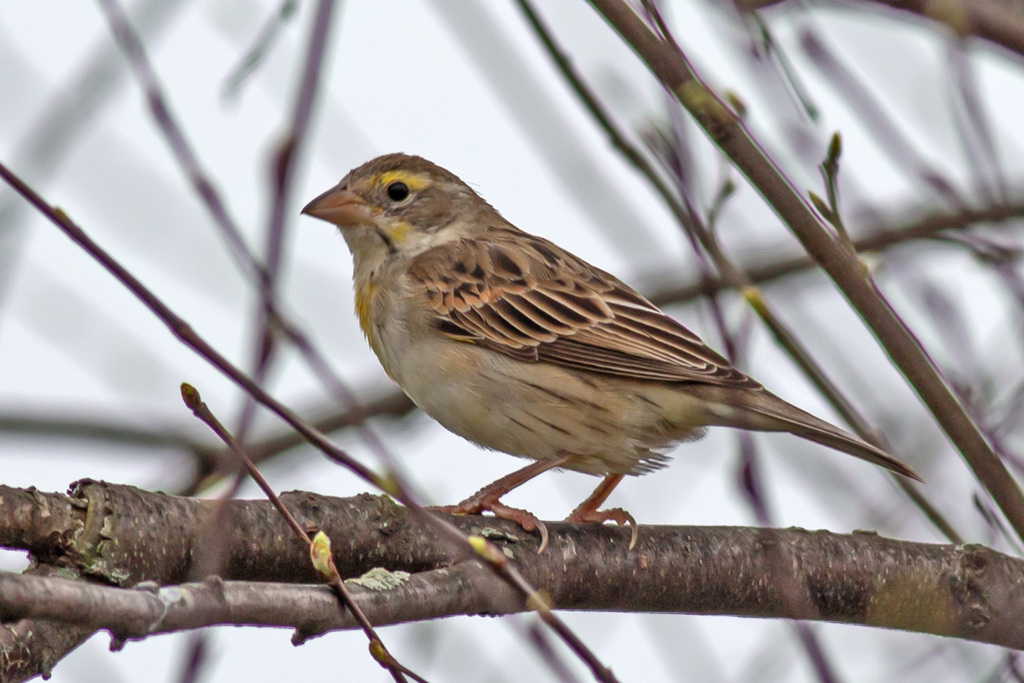
Dickcissel
Spiza americanaAlso known as Black-throated Bunting, Prairie Bunting
Male dickcissels project their sharp, buzzy namesake call from tall prairie weeds to establish breeding territories each spring. These nomadic grassland songbirds shift their nesting ranges dramatically from year to year depending on rain and vegetation height. Females construct woven grass nests near the ground, raising broods that feed heavily on crop pests like grasshoppers.
MigratoryGrasslandSongbird
—observations
—countries
—peak records
Least ConcernConservation statusIUCN Red List categoriesLCNTVUENCREWEXLeast ConcernRed List categories, explained →
Diet & prey
- Grasshoppers
- Caterpillars
- Grass seeds
Predators
- Hawks
- Snakes
- Feral cats
ThreatsHabitat loss, early agricultural mowing, winter roost persecution
HabitatsTallgrass prairies, pastures, alfalfa fields, overgrown meadows
Life span3–5 years
Size / weightNot available
Classification
- FamilyCardinalidae
- SpeciesSpiza americana
Range data is not available yet.
Interaction riskLow
- Low
- Moderate
- High
- Very high
- Why interaction risk is low
- Safe to observe at a normal distance.
- What to notice
- Look for a sparrow-sized songbird with a yellow chest, gray face, and a sharp black V on the throat.
- Support conservation
- Stay on established roads and trails near nesting fields, avoiding tall grass from May through July.
Responsible observation
- Listening for calls: Listen for the distinct dick-dick-ciss-ciss-ciss song from roadside fence posts in summer.
- Habitat scanning: Scan tall weeds, clover fields, and shrubby pasture borders during late spring.
- Respecting nest sites: Avoid walking through dense, unmowed prairie grass during peak summer nesting.
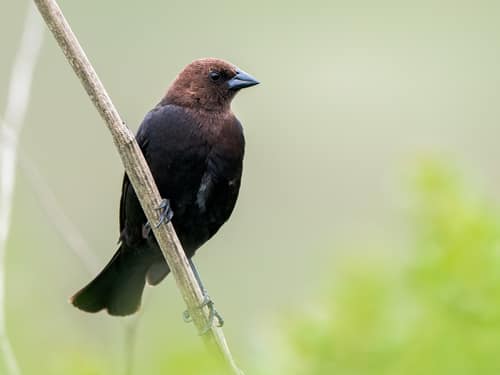
Nest Parasite (c) cello caruso-turiello, some rights reserved (CC BY), uploaded by cello caruso-turiello · cc-by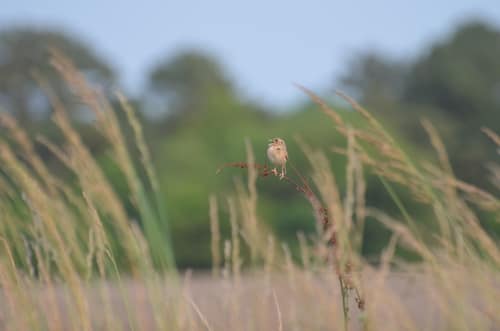
Competitor (c) Grant Foster, some rights reserved (CC BY) · cc-by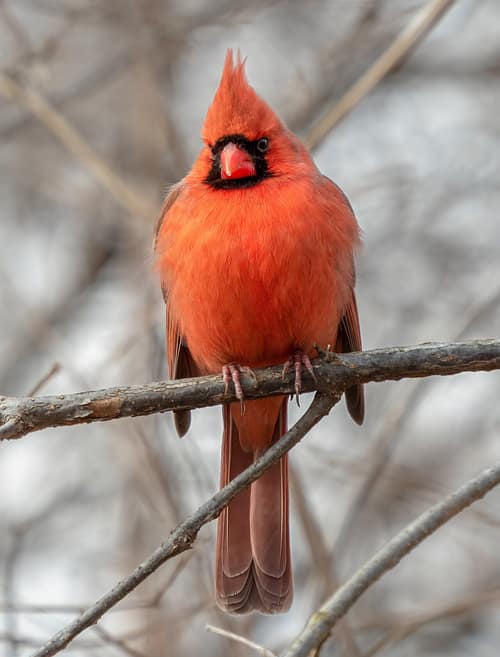
Close Relative Rhododendrites / CC BY-SA 4.0 · cc-by-sa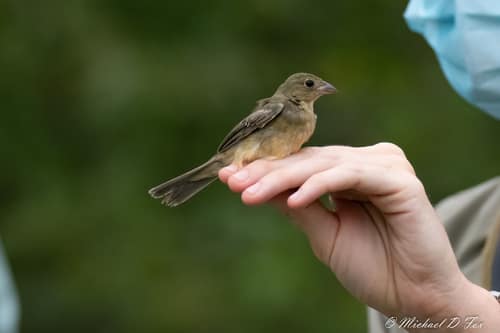
Close Relative (c) Michael D Fox, some rights reserved (CC BY), uploaded by Michael D Fox · cc-by
Help improve the field guideSomething wrong?
Checking your Fauna account…Report a name, category, or profile issue for review.