
Bird
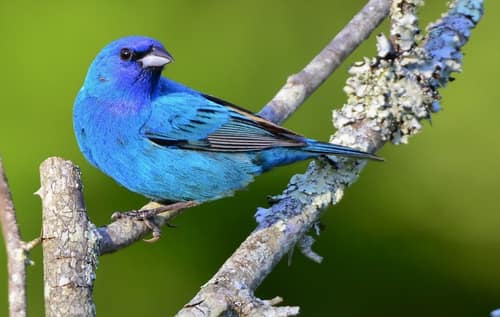
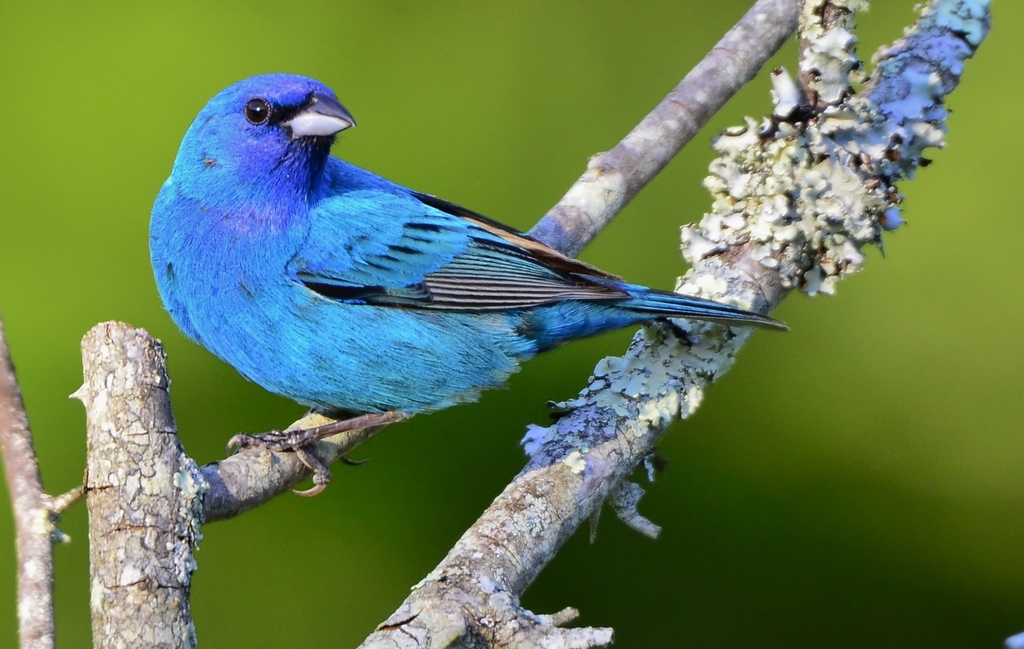
Indigo Bunting
Passerina cyaneaAlso known as Indigo Bird, Indigo Painted Finch
Male indigo buntings transform from dull brown to brilliant, iridescent cobalt blue each spring, displaying a vibrant color produced by microscopic feather structure rather than blue pigments. During nocturnal migrations, these songbirds navigate using internal star maps learned in youth by watching constellation rotations around Polaris. Females build cup-shaped nests hidden in dense brambles, raising broods while males sing loud, paired notes from exposed treetop perches.
MigratorySongbirdColorful
—observations
—countries
—peak records
Least ConcernConservation statusIUCN Red List categoriesLCNTVUENCREWEXLeast ConcernRed List categories, explained →
Diet & preyCaterpillars, Grasshoppers, Thistle Seeds
Predators
- Domestic Cats
- Sharp-shinned Hawks
- Blue Jays
ThreatsHabitat loss, window collisions, and domestic cat predation
HabitatsFarmland, brushy edges, and open woodland
Life span4–10 years
Classification
- OrderPasseriformes
- FamilyCardinalidae
- GenusPasserina
- SpeciesPasserina cyanea
Range data is not available yet.
Interaction riskLow
- Low
- Moderate
- High
- Very high
- Why interaction risk is low
- Safe to observe at a normal distance.
Responsible observation
- Feeders: Offer nyjer seed or small sunflower seeds near brushy backyard edges.
- Listening: Listen for a fast, upbeat song with doubled notes from tall treetop perches.
- Observation: Scan overgrown fields and utility right-of-ways in early summer mornings.
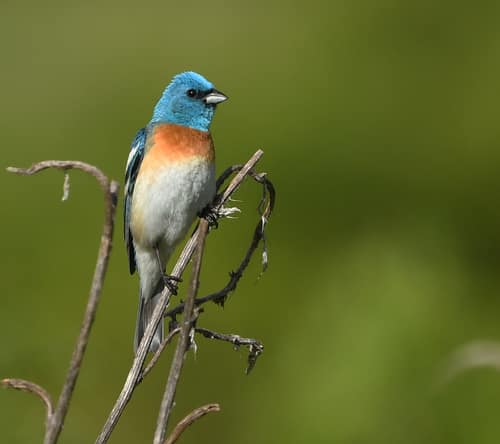
Close Relative (c) Pat Farris, some rights reserved (CC BY), uploaded by Pat Farris · cc-by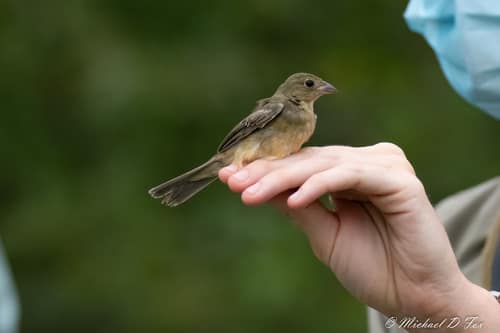
Close Relative (c) Michael D Fox, some rights reserved (CC BY), uploaded by Michael D Fox · cc-by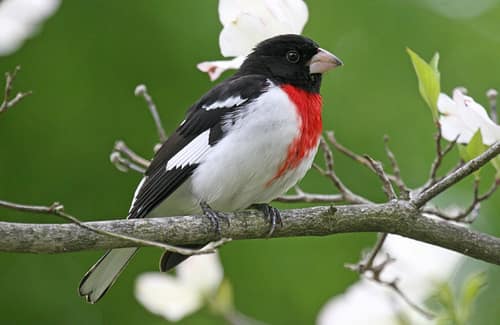
Family Member John Harrison at https://www.flickr.com/photos/15512543@N04/ / CC BY-SA 3.0 · cc-by-sa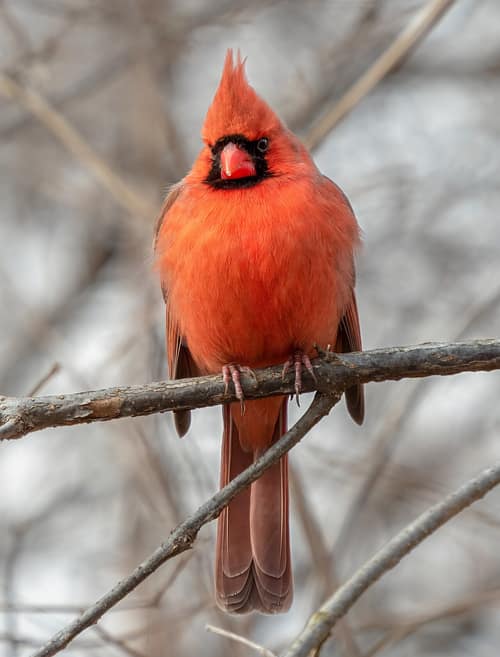
Family Member Rhododendrites / CC BY-SA 4.0 · cc-by-sa
Help improve the field guideSomething wrong?
Checking your Fauna account…Report a name, category, or profile issue for review.