
Bird · GBIF taxon 2489871
Prothonotary Warbler
Protonotaria citreaAlso known as Golden Swamp Warbler, Golden Swamp Bird
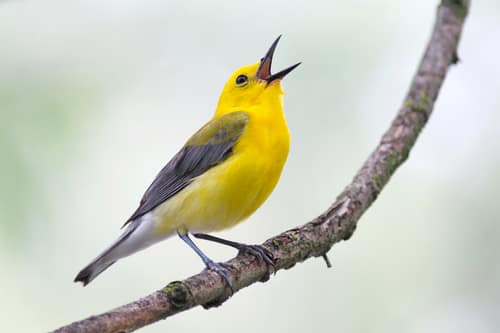
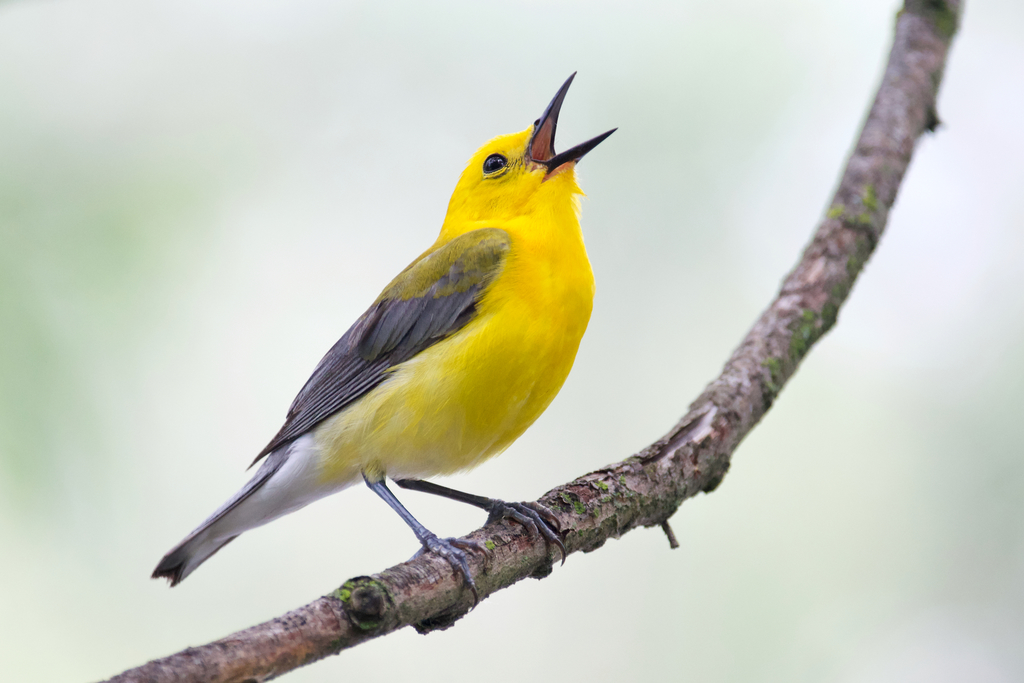
Golden-yellow heads and breasts contrast strikingly with slate-blue wings as Prothonotary Warblers forage low over shadowy swamp waters. Unique among eastern warblers, they nest inside natural tree cavities or abandoned woodpecker holes along flooded bottomland forests and river corridors. Their loud, ringing 'zweet-zweet-zweet-zweet' song echoes through cypress stands from early spring through midsummer.
MigratoryCavity NesterVibrant Yellow
 1 / 7
1 / 7—observations
—countries
—peak records
Least ConcernConservation statusIUCN Red List categoriesLCNTVUENCREWEXLeast ConcernRed List categories, explained →
Diet & prey
- Caterpillars
- Mayflies
- Spiders
Predators
- Rat Snakes
- Raccoons
- House Wrens
ThreatsWetland habitat destruction, loss of nesting cavities, and wintering ground deforestation
HabitatsSwamps, flooded bottomland forests, wooded riverbanks, and mangroves
Life span3–6 years
Size / weightNot available
Classification
- FamilyParulidae
- SpeciesProtonotaria citrea
Range data is not available yet.
Interaction riskLow
- Low
- Moderate
- High
- Very high
- Why interaction risk is low
- Safe to observe at a normal distance.
- What to notice
- Recognize the brilliant golden-yellow head contrasting with blue-grey wings in flooded forest habitats.
- Support conservation
- Keep a respectful distance from active nest cavities over water and avoid using repetitive audio playback.
Responsible observation
- Look Near Water: Scan low branches, fallen logs, and flooded brush along sluggish streams or cypress swamps.
- Listen for Calls: Target their loud, clear, ringing 'zweet-zweet-zweet' song echoing across wetland corridors.
- Provide Nest Boxes: Place predator-guarded nest boxes directly over standing water to support breeding pairs.
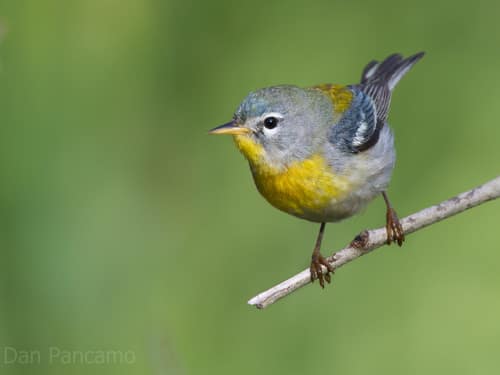
Ecosystem Neighbor "Northern Parula" by Dan Pancamo is licensed under CC BY-SA 2.0. To view a copy of this license, visit https://creativecommons.org/licenses/by-sa/2.0/. · cc-by-sa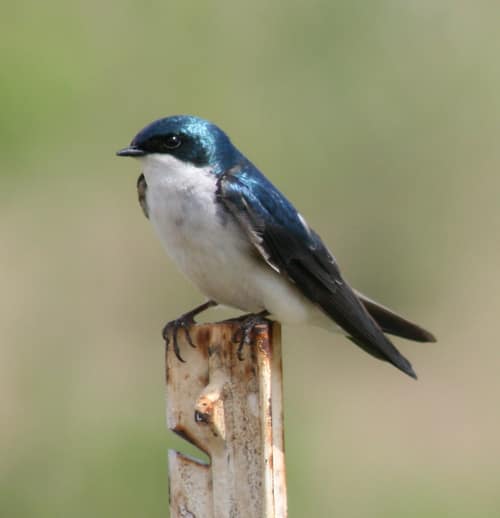
Nest Competitor "Tree Swallow" by born1945 is licensed under CC BY 2.0. To view a copy of this license, visit https://creativecommons.org/licenses/by/2.0/. · cc-by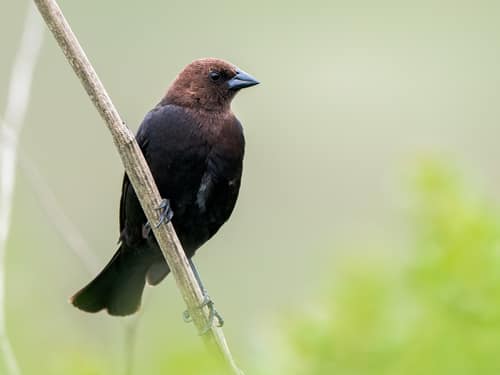
Brood Parasite (c) cello caruso-turiello, some rights reserved (CC BY), uploaded by cello caruso-turiello · cc-by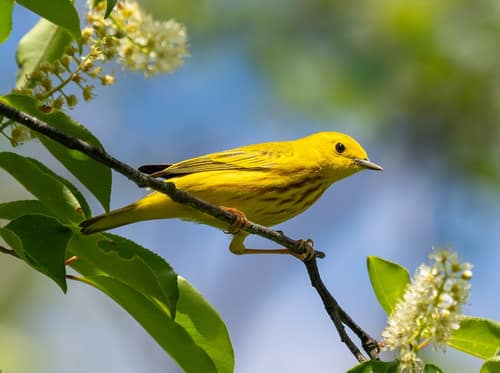
Family Relative Rhododendrites / CC BY-SA 4.0 · cc-by-sa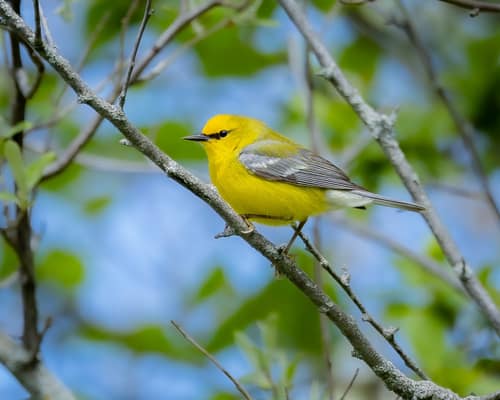
Family Relative (c) Derek Spencer, some rights reserved (CC BY) · cc-by
Help improve the field guideSomething wrong?
Checking your Fauna account…Report a name, category, or profile issue for review.