
Bird
Boat-tailed Grackle
Quiscalus majorAlso known as Jackdaw
Boat-tailed grackles are striking coastal songbirds recognized for their intense sexual dimorphism, featuring sleek, glossy black males with oversized keel-shaped tails alongside much smaller, warm-brown females. They thrive in salt marshes, mudflats, and coastal parking lots across the Southeastern seaboard, filling the air with a boisterous mix of harsh chatter, clicks, and loud whistles. During the breeding season, males establish polygynous nesting colonies in thick emergent vegetation, puffing out their feathers and pointing their bills skyward in competitive displays.
CoastalVocalSocial
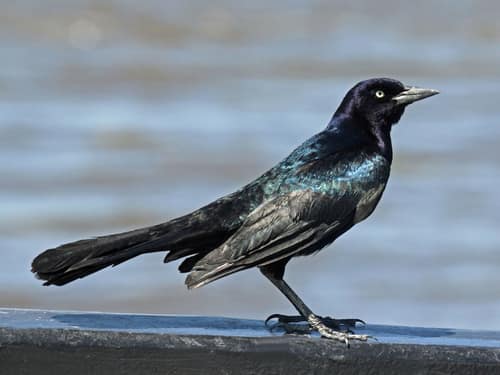
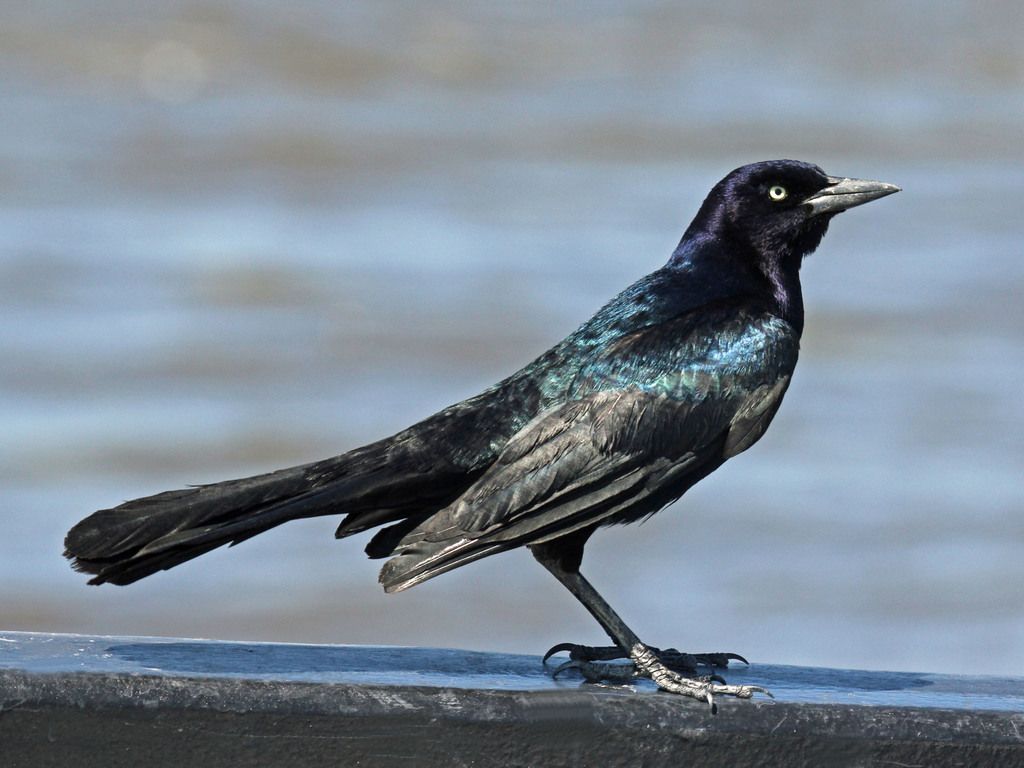
—observations
—countries
—peak records
Least ConcernConservation statusIUCN Red List categoriesLCNTVUENCREWEXLeast ConcernRed List categories, explained →
Diet & preyFiddler Crabs, Insects, Aquatic Snails
Predators
- Raccoons
- Rat Snakes
- Peregrine Falcons
ThreatsCoastal wetland degradation, sea-level rise, and pesticide runoff
HabitatsSalt marshes, estuaries, coastal beaches, parks, and agricultural fields
Life span7–12 years
Classification
- OrderPasseriformes
- FamilyIcteridae
- GenusQuiscalus
- SpeciesQuiscalus major
Range data is not available yet.
Interaction riskLow
- Low
- Moderate
- High
- Very high
- Why interaction risk is low
- Safe to observe at a normal distance.
Responsible observation
- Listen for Calls: Males frequently sing from high exposed perches like light poles and palm fronds near water.
- Watch Eye Color: Look closely at eye color in the Atlantic populations, where adults sport distinct yellow or brown irises depending on geography.
- Observe Foraging: Watch along marsh edges and mudflats as they flip debris and probe shallow water for crabs.
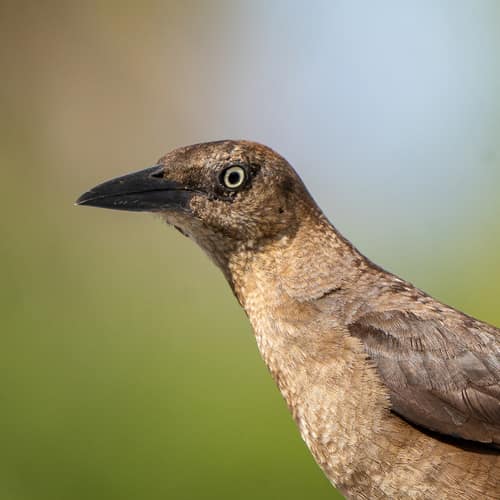
Close Relative (c) Anthony Batista, some rights reserved (CC BY), uploaded by Anthony Batista · cc-by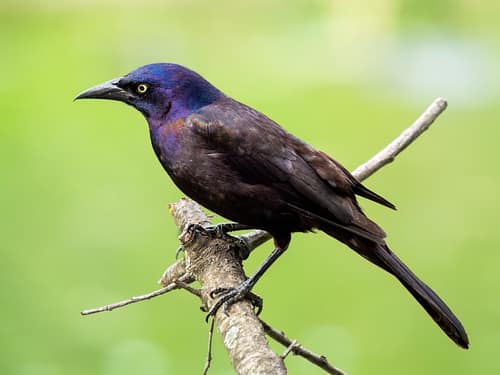
Close Relative Rhododendrites / CC BY-SA 4.0 · cc-by-sa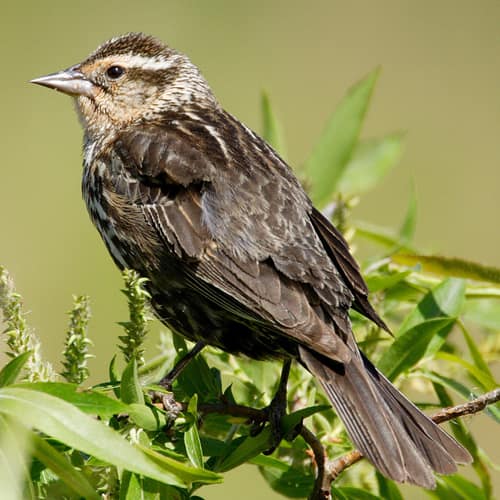
Family Member (c) anonymous, some rights reserved (CC BY-SA) · cc-by-sa
Help improve the field guideSomething wrong?
Checking your Fauna account…Report a name, category, or profile issue for review.