
Bird · GBIF taxon 2482449
Siberian Jay
Perisoreus infaustusAlso known as Boreal Jay
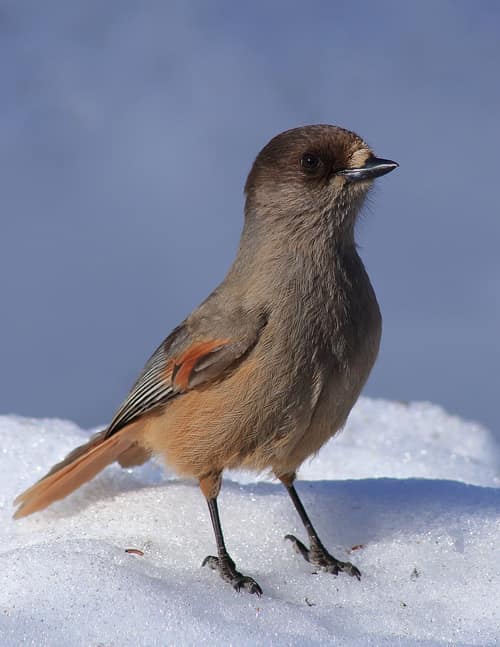
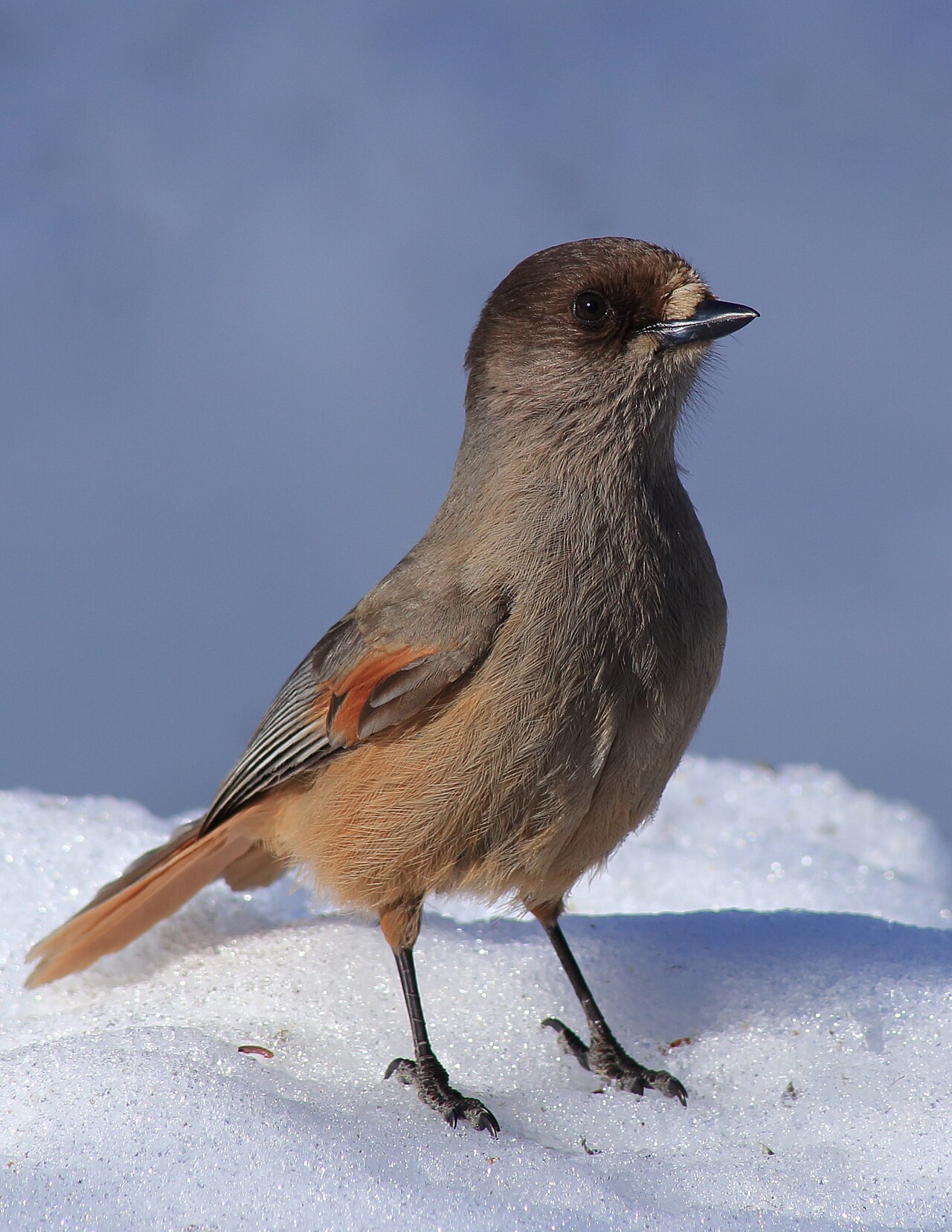
Siberian Jays are social boreal forest songbirds renowned for their curious nature and distinctive rusty-red tail feathers. Living in year-round territories, long-term monogamous pairs cache berries, insects, and meat in tree bark using sticky saliva to survive harsh northern winters. Retained offspring often remain with their parents for several years, helping defend the forest territory against rival family groups.
Boreal ForestCorvidSocial
—observations
—countries
—peak records
Least ConcernConservation statusIUCN Red List categoriesLCNTVUENCREWEXLeast ConcernRed List categories, explained →
Diet & prey
- Insects
- Berries
- Small Rodents
Predators
- Eurasian Goshawk
- Pine Marten
- Ural Owl
ThreatsForestry management, clear-cutting, and habitat fragmentation
HabitatsOld-growth coniferous forests and northern taiga
Life span10–15 years
Classification
- FamilyCorvidae
- SpeciesPerisoreus infaustus
Range data is not available yet.
Interaction riskLow
- Low
- Moderate
- High
- Very high
- Why interaction risk is low
- Safe to observe at a normal distance.
Responsible observation
- Campsite Visitors: These inquisitive birds frequently visit quiet forest clearings and campfire sites to search for fallen food scraps.
- Boreal Habitats: Look for them in mature, lichen-rich spruce and pine forests away from recent clear-cuts.
- Auditory Cues: Listen for soft, cat-like mewing contact calls and harsh scolding alarms when predators approach.
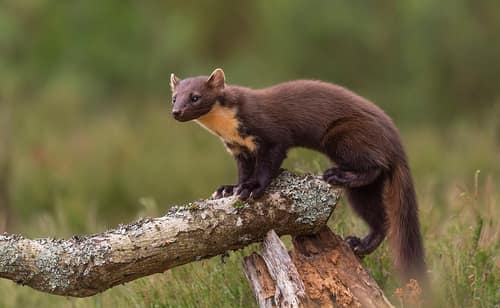
Predator caroline legg / CC BY 2.0 · cc-by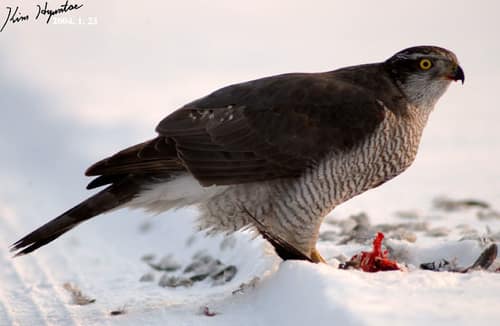
Predator (c) Kim, Hyun-tae, some rights reserved (CC BY), uploaded by Kim, Hyun-tae · cc-by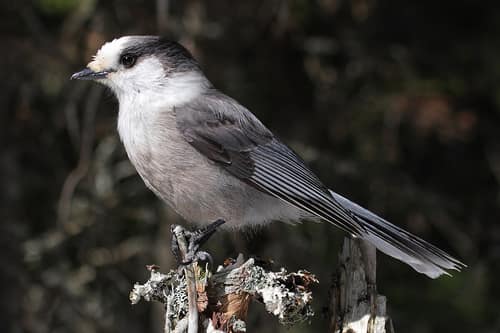
Close Relative Cephas / CC BY-SA 3.0 · cc-by-sa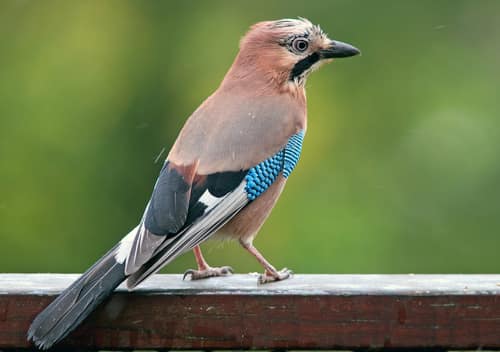
Relative (c) Luc Viatour, some rights reserved (CC BY-SA) · cc-by-sa
Help improve the field guideSomething wrong?
Checking your Fauna account…Report a name, category, or profile issue for review.