
Bird · GBIF taxon 2482436
Canada Jay
Perisoreus canadensisAlso known as Gray Jay, Whisky Jack, Camp Robber, Moose Bird
Canada jays are highly intelligent corvids that use sticky saliva to cache thousands of food items high in tree bark across boreal forests. Pairs bond for life and maintain year-round territories, nesting in late winter despite sub-zero arctic cold. Their remarkably bold curiosity brings them right up to hikers, campers, and skiers in search of easy food scraps.
BorealIntelligentCorvid
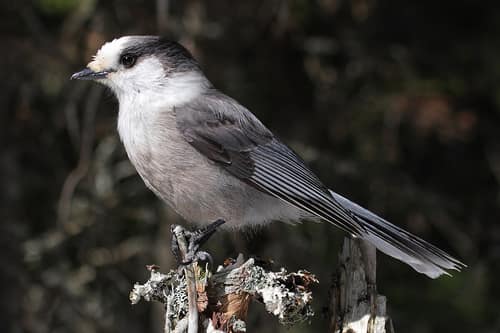
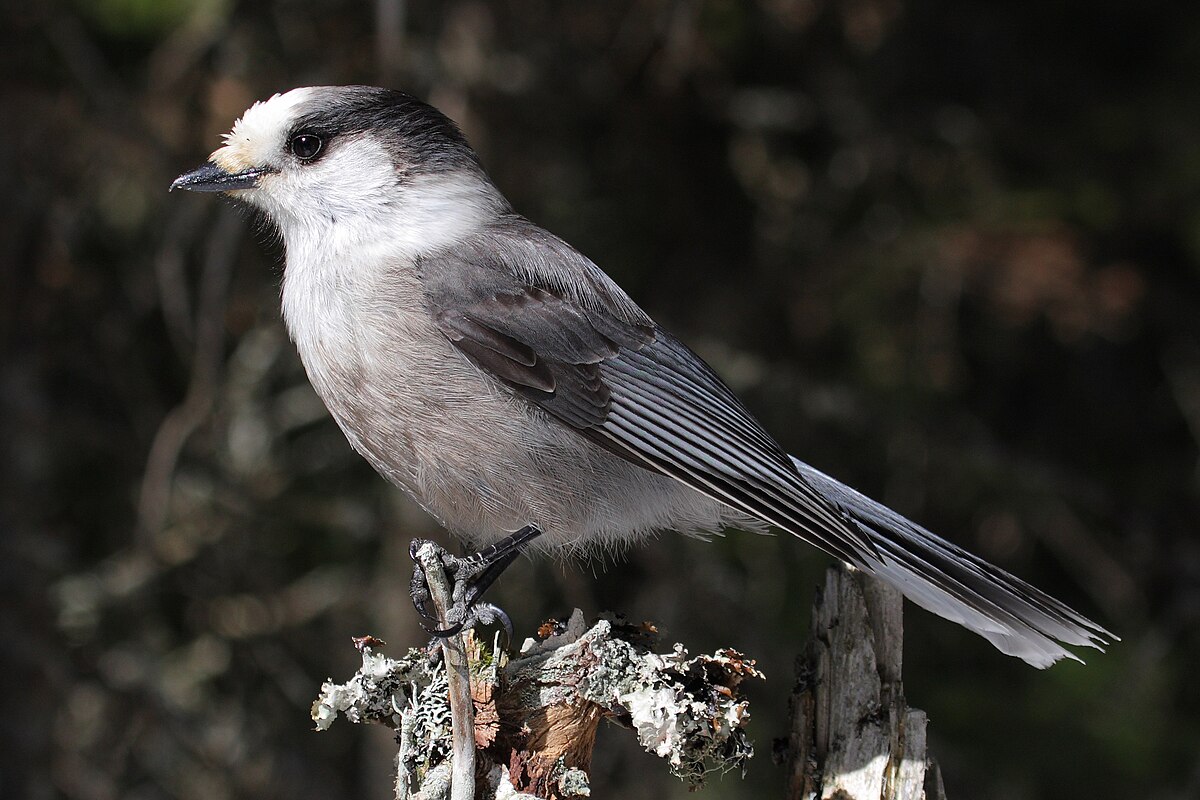
—observations
—countries
—peak records
Least ConcernConservation statusIUCN Red List categoriesLCNTVUENCREWEXLeast ConcernRed List categories, explained →
Diet & prey
- Arthropods
- Conifer Seeds
- Berries
Predators
- Northern Goshawk
- Great Horned Owl
- Pine Marten
ThreatsClimate change warming winter caches, timber harvesting
HabitatsBoreal coniferous forest, subalpine spruce-fir woodland
Life span8–12 years
Classification
- OrderPasseriformes
- FamilyCorvidae
- GenusPerisoreus
- SpeciesPerisoreus canadensis
Range data is not available yet.
Interaction riskLow
- Low
- Moderate
- High
- Very high
- Why interaction risk is low
- Safe to observe at a normal distance.
Responsible observation
- Secure campsite food: Keep packs and food containers sealed so these clever birds do not pilfer rations.
- Listen for soft calls: Pay attention for quiet whistles, chatter, and mimicry rather than loud harsh caws.
- Observe wild feeding: Enjoy watching them forage naturally without feeding them processed human snacks.

Ecological Neighbor Polinova / CC BY-SA 4.0 · cc-by-sa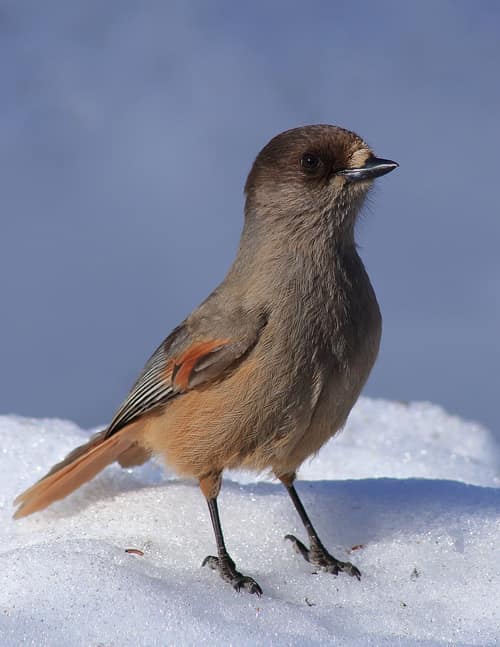
Close Relative Estormiz / CC0 · cc0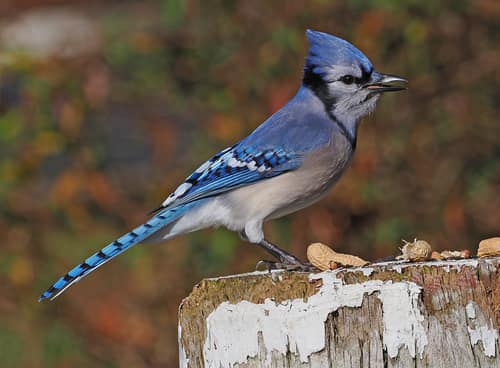
Family Relative (c) Judy Gallagher, some rights reserved (CC BY) · cc-by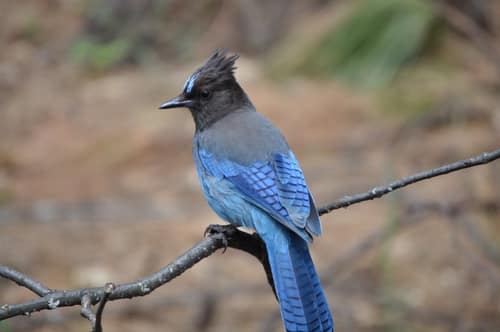
Family Relative no rights reserved, uploaded by Zoltán Stekkelpak · cc0
Keep collecting in Fauna
Found in Collections
Ecosystem chain Pro
Secret Garden
Canada Jay is found in this collection. Identify it in Fauna to fill this slot and continue your progress.
Unlock to track progress
Help improve the field guideSomething wrong?
Checking your Fauna account…Report a name, category, or profile issue for review.