
Bird · GBIF taxon 2481928
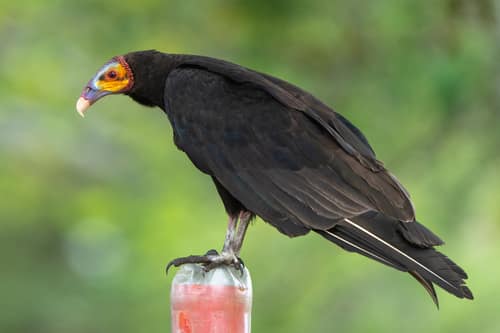
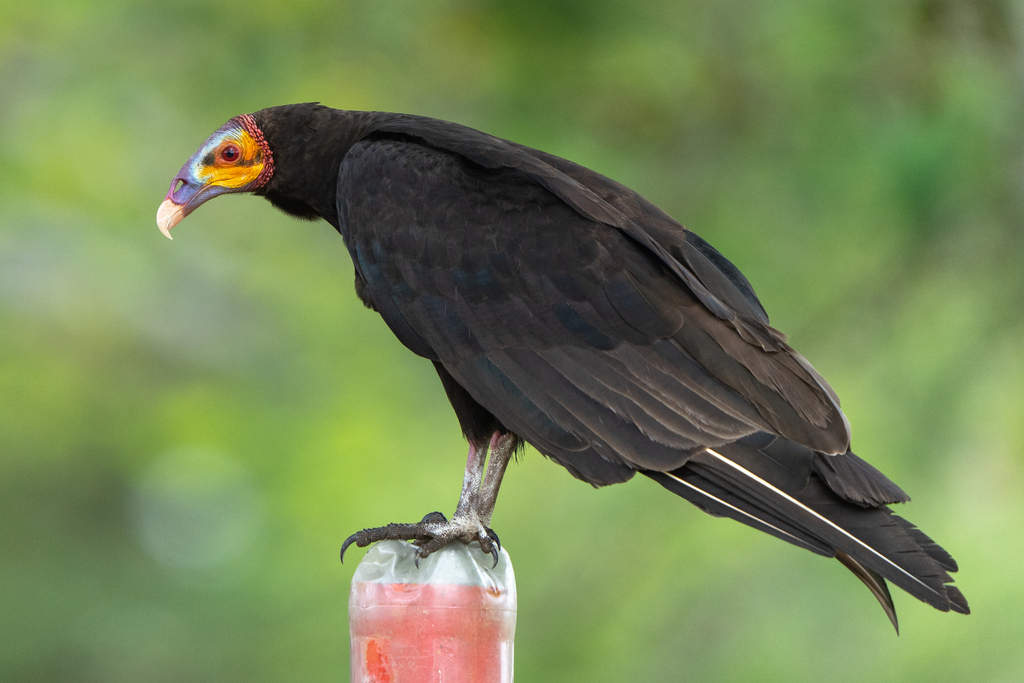
Lesser Yellow-headed Vulture
Cathartes burrovianusAlso known as Savannah Vulture
Lesser yellow-headed vultures glide low over savannas and marshes, utilizing an extraordinary sense of smell to locate decaying carcasses beneath open grass. Because they lack a vocal syrinx, their communication is restricted to guttural grunts, rattles, and quiet hisses delivered during territorial or feeding disputes. Often solitary while foraging, they congregate at larger carcasses where social hierarchy strictly governs feeding order, deferring to heavier raptors before scavenging.
ScavengerSoaringWetland
 1 / 7
1 / 7—observations
—countries
—peak records
Least ConcernConservation statusIUCN Red List categoriesLCNTVUENCREWEXLeast ConcernRed List categories, explained →
Diet & prey
- Deceased fish
- Deceased rodents
- Deceased reptiles
Predators
Not available
ThreatsHabitat loss, agricultural chemical exposure, and ingested lead ammunition
HabitatsSeasonally flooded savannas, marshes, open grasslands, and degraded pastures
Life span15–20 years
Size / weightNot available
Classification
- FamilyCathartidae
- SpeciesCathartes burrovianus
Range data is not available yet.
Interaction riskLow
- Low
- Moderate
- High
- Very high
- Why interaction risk is low
- Safe to observe at a normal distance.
Responsible observation
- Scanning marshes: Look for low, rocking flights just above grassy waterlines.
- Perch spotting: Scan fence posts and dead snags along lowland pastures early in the morning.
- Distance etiquette: Use binoculars or a spotting scope to avoid flushing them from resting perches.
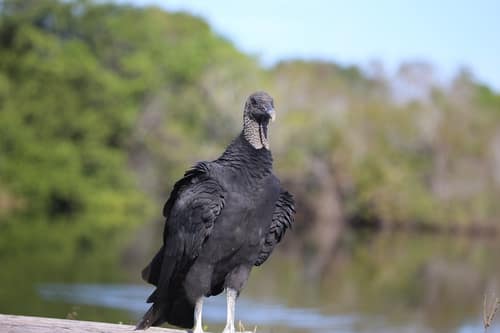
Competitor "BLACK VULTURE #2" by cuatrok77 is licensed under CC BY-SA 2.0. To view a copy of this license, visit https://creativecommons.org/licenses/by-sa/2.0/. · cc-by-sa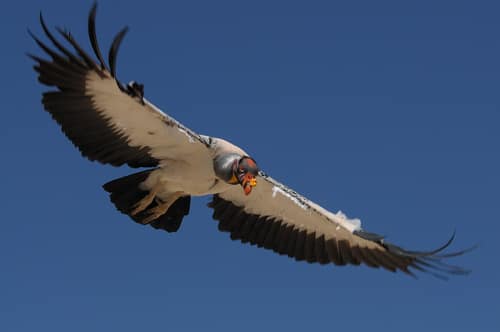
Competitor Renato Augusto Martins / CC BY-SA 4.0 · cc-by-sa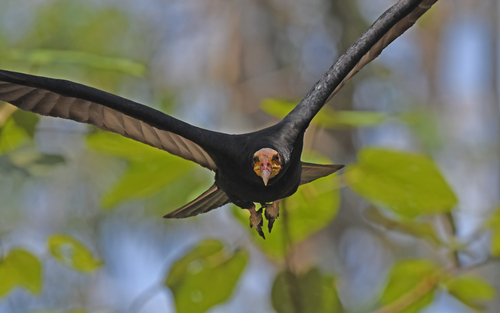
Close Relative (c) Christoph Moning, some rights reserved (CC BY) · cc-by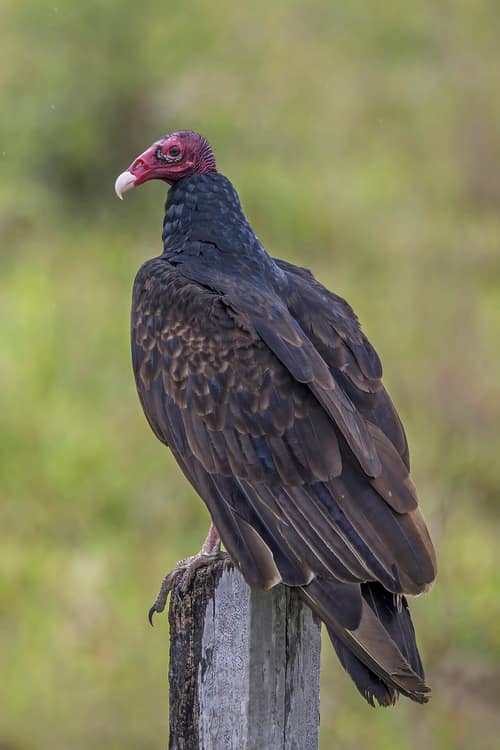
Close Relative Charles J. Sharp / CC BY-SA 4.0 · cc-by-sa
Help improve the field guideSomething wrong?
Checking your Fauna account…Report a name, category, or profile issue for review.