
Bird · GBIF taxon 2481905
Black-necked Stork
Ephippiorhynchus asiaticusAlso known as Jabiru, Australasian Stork
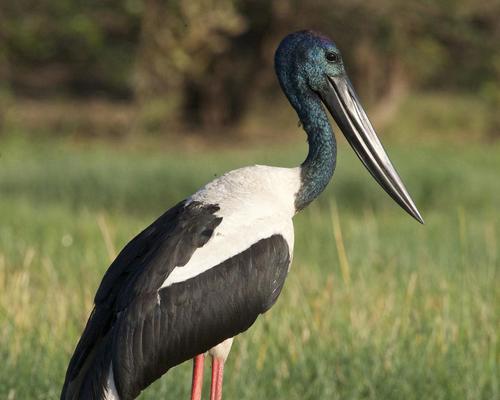
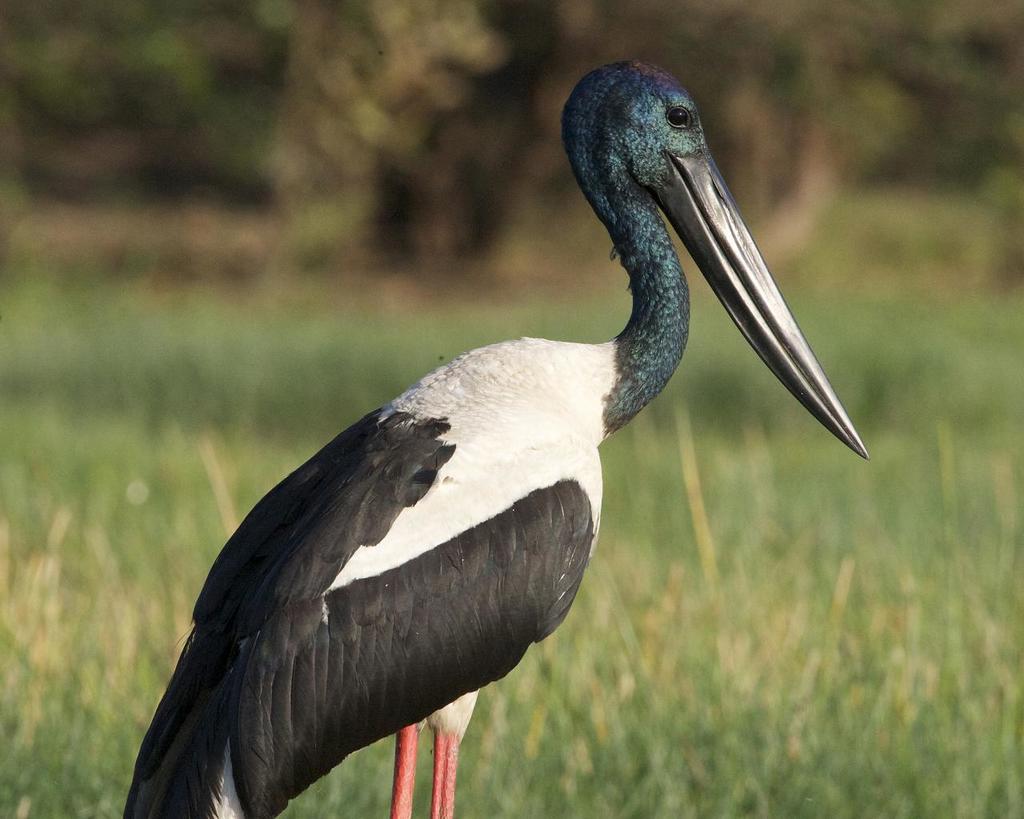
Black-necked storks patrol shallow wetlands, marshes, and flooded agricultural fields with measured, deliberate strides. Uniquely among storks, they defend strict feeding territories year-round, using their massive black bills to spear fish, frogs, and water snakes. Pairs construct enormous stick nests high in solitary trees, returning to the same breeding territory across multiple seasons.
WetlandWading BirdTerritorial
—observations
—countries
—peak records
Least ConcernConservation statusIUCN Red List categoriesLCNTVUENCREWEXLeast ConcernRed List categories, explained →
Diet & prey
- Fish
- Frogs
- Water Snakes
Predators
- Saltwater Crocodile
- White-bellied Sea Eagle
- Monitor Lizard
ThreatsWetland drainage, agricultural pollution, nest disturbance, powerline collisions
HabitatsWetlands, marshes, riverbanks, flooded crop fields, coastal lagoons
Life span20–30 years
Size / weightNot available
Classification
- OrderCiconiiformes
- FamilyCiconiidae
- GenusEphippiorhynchus
- SpeciesEphippiorhynchus asiaticus
Range data is not available yet.
Interaction riskLow
- Low
- Moderate
- High
- Very high
- Why interaction risk is low
- Has a large, heavy bill; observe from a respectful distance and avoid approaching wild birds.
- What to notice
- Look for a tall, black-and-white stork with bright red legs, a massive black bill, and iridescent head plumage.
- Support conservation
- Maintain a minimum distance of several hundred meters from nesting trees and report sightings to local bird monitoring databases.
Responsible observation
- Observation distance: Use binoculars or a spotting scope to view feeding birds without disrupting their hunting.
- Nesting care: Avoid approaching large tree nests during breeding season, as pairs readily abandon disturbed sites.
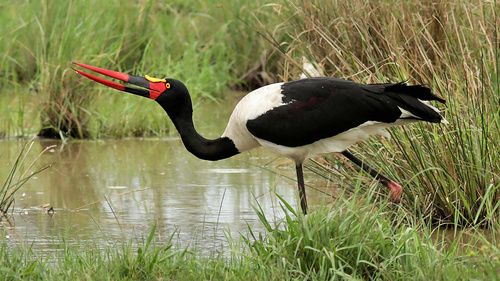
Sister Species (c) Wynand Uys, some rights reserved (CC BY), uploaded by Wynand Uys · cc-by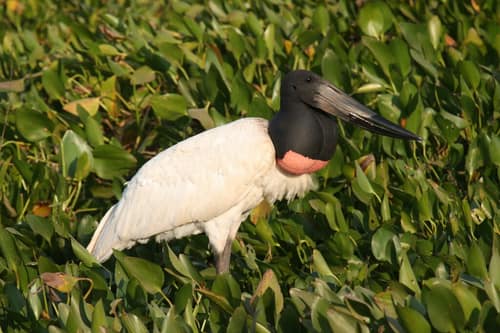
Name Ally (c) Alastair Rae, some rights reserved (CC BY-SA) · cc-by-sa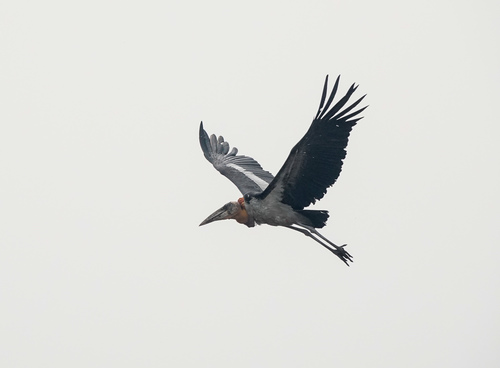
Sympatric Stork (c) Rejoice Gassah, some rights reserved (CC BY), uploaded by Rejoice Gassah · cc-by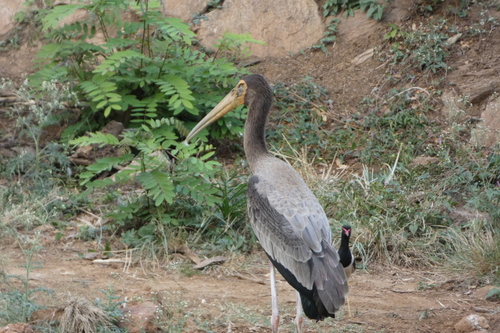
Wetland Neighbor (c) Livson Thomas, some rights reserved (CC BY), uploaded by Livson Thomas · cc-by
Help improve the field guideSomething wrong?
Checking your Fauna account…Report a name, category, or profile issue for review.