
Bird
Jabiru
Jabiru mycteriaAlso known as Tuiuiu, Swollen-Necked Stork, Jabiru Stork
Jabirus are the tallest flying birds in Central and South America, standing nearly as high as a human and sporting a massive, upturned black bill. Their featherless black head and bright red inflatable neck pouch expand to display excitement or regulate body heat while foraging in tropical wetlands. Massive stick nests built high in solitary trees are reused for generations, forming iconic landmarks across the Pantanal landscape.
Wading BirdWetlandFlighted
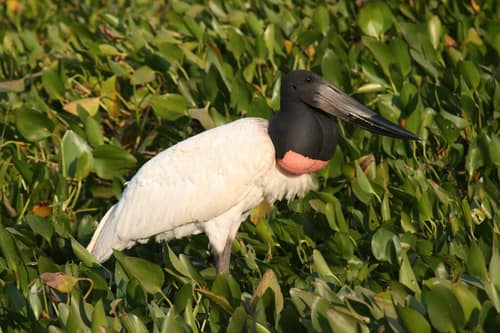
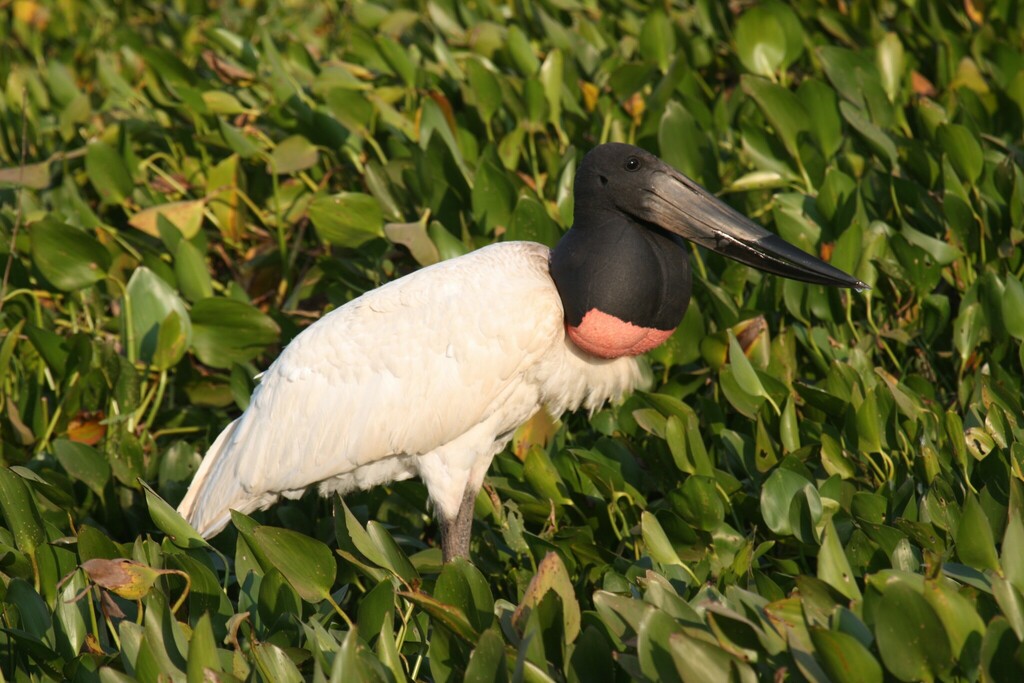
—observations
—countries
—peak records
Least ConcernConservation statusIUCN Red List categoriesLCNTVUENCREWEXLeast ConcernRed List categories, explained →
Diet & preyFish, Frogs, Snakes
Predators
- Jaguar
- Caiman
ThreatsHabitat loss, wetland drainage, clearing of nest trees, water pollution
HabitatsWetlands, marshes, flooded grasslands, river margins
Life span15–20 years in the wild; up to 30 years in captivity
Classification
- FamilyCiconiidae
- SpeciesJabiru mycteria
Range data is not available yet.
Interaction riskLow
- Low
- Moderate
- High
- Very high
- Why interaction risk is low
- Possesses a heavy, powerful bill capable of striking defensively if cornered; keep a safe distance.
Responsible observation
- Nesting Distance: Maintain a broad distance from nest trees during breeding season so adults do not abandon eggs.
- Dry Season Spotting: Scan receding waterholes in the Pantanal where these massive storks gather to catch stranded fish.
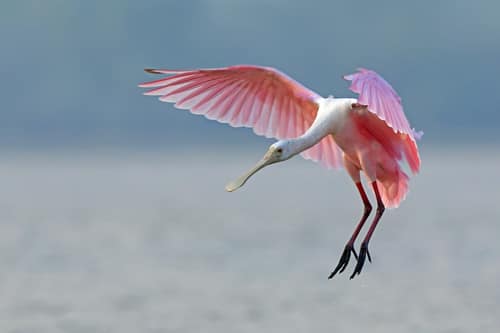
Frequent Companion (c) Nigel Voaden, some rights reserved (CC BY) · cc-by
Close Relative (c) Jessica, some rights reserved (CC BY) · cc-by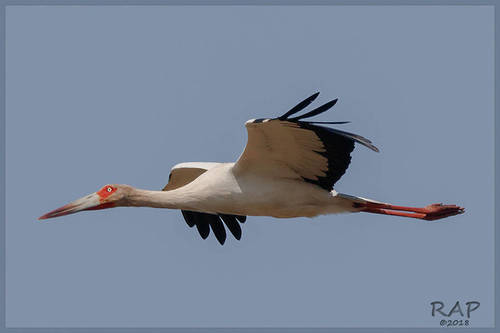
Close Relative (c) RAP, some rights reserved (CC BY), uploaded by RAP · cc-by
Help improve the field guideSomething wrong?
Checking your Fauna account…Report a name, category, or profile issue for review.