
Bird
Ruddy Turnstone
Arenaria interpresAlso known as Calico Bird, Turnstone
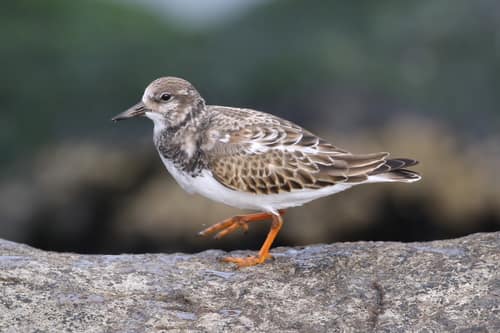
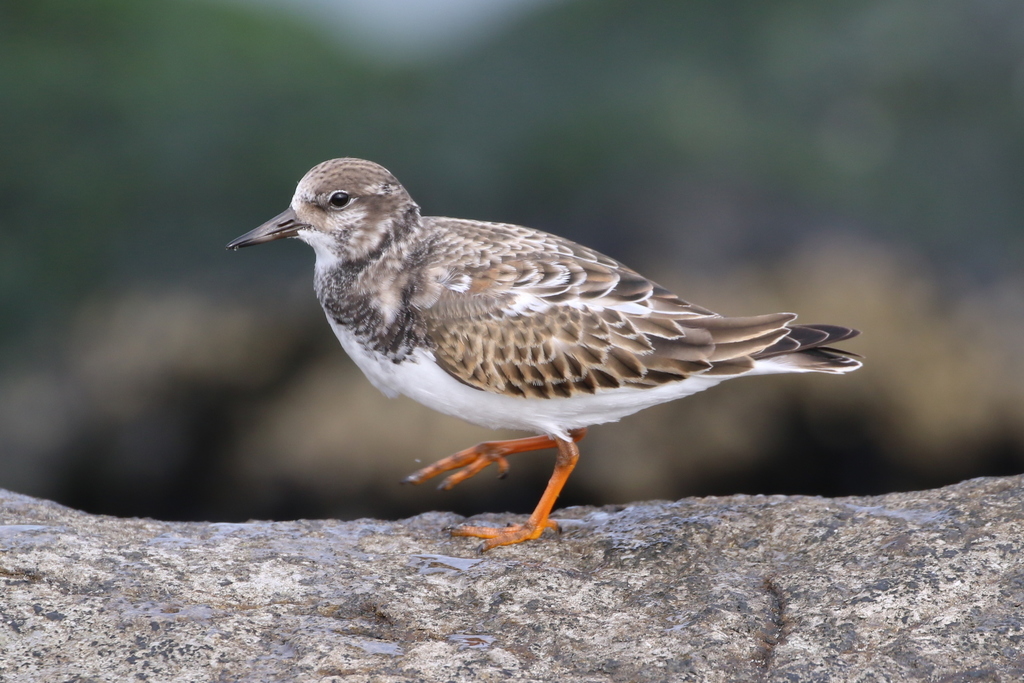
Ruddy turnstones are energetic waders named for their habit of flicking over stones, shells, and seaweed with short wedge-shaped bills to reveal hidden prey. During the breeding season, adults wear a vivid tortoiseshell pattern of chestnut, black, and white before undertaking epic migrations from Arctic tundras to coasts across six continents. On beach stopovers, they forage in small, busy flocks alongside other waders, frequently prying open barnacles or scavenged marine organisms.
ShorebirdMigratoryCoastal
—observations
—countries
—peak records
Near ThreatenedConservation statusIUCN Red List categoriesLCNTVUENCREWEXNear ThreatenedRed List categories, explained →
Diet & preySand Hoppers, Barnacles, Insect Larvae
Predators
- Peregrine Falcon
- Glaucous Gull
- Arctic Fox
ThreatsHabitat loss at migratory stopovers, climate change, and coastal disturbance
HabitatsRocky shores, sandy beaches, mudflats, and Arctic tundra
Life span9–19 years
Classification
- OrderCharadriiformes
- FamilyScolopacidae
- GenusArenaria
- SpeciesArenaria interpres
Range data is not available yet.
Interaction riskLow
- Low
- Moderate
- High
- Very high
- Why interaction risk is low
- Safe to observe at a normal distance.
- What to notice
- Recognize by bright orange legs, a stout wedge bill, and striking harlequin markings in flight.
- Support conservation
- Give feeding and resting flocks plenty of room, keeping dogs leashed near coastal shorelines.
Responsible observation
- Spotting Cues: Look along rocky breakwaters and wave-washed cobble where they energetically flip debris.
- Observer Distance: Give feeding flocks ample space on beaches to prevent energy-draining flight.
- Seasonal Shifts: Watch for dramatic plumage shifts from dull winter grey to vibrant summer chestnut.
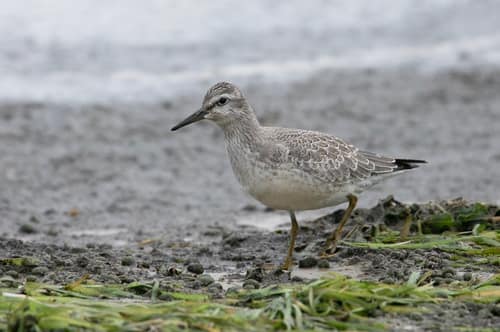
Frequent Companion (c) Paolo, some rights reserved (CC BY), uploaded by Paolo · cc-by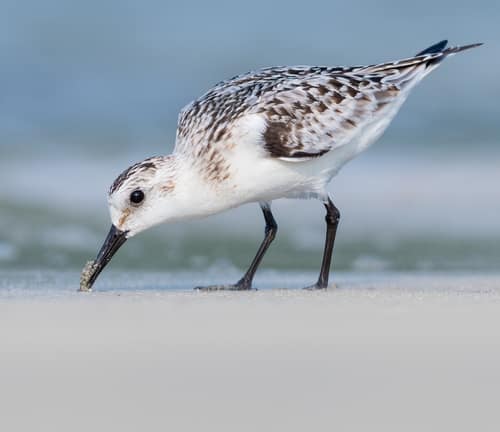
Frequent Companion (c) Marco Chan, some rights reserved (CC BY), uploaded by Marco Chan · cc-by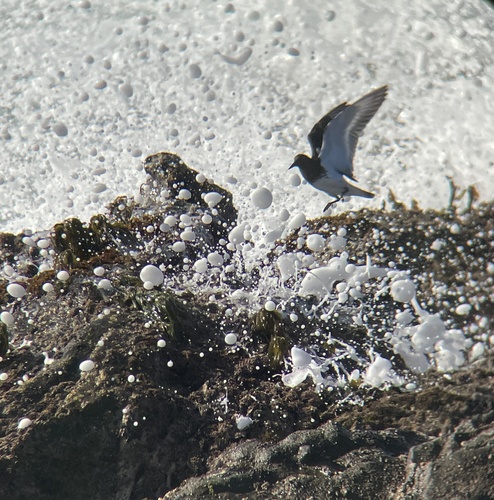
Close Relative no rights reserved · cc0
Help improve the field guideSomething wrong?
Checking your Fauna account…Report a name, category, or profile issue for review.