
Bird · GBIF taxon 2481759
Dunlin
Calidris alpinaAlso known as Red-backed Sandpiper
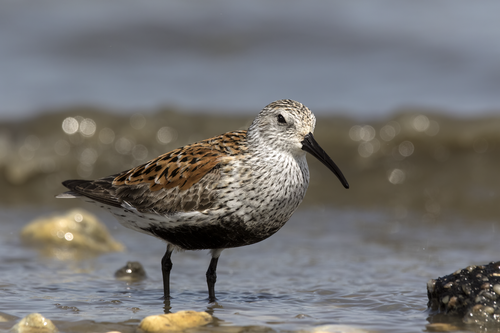
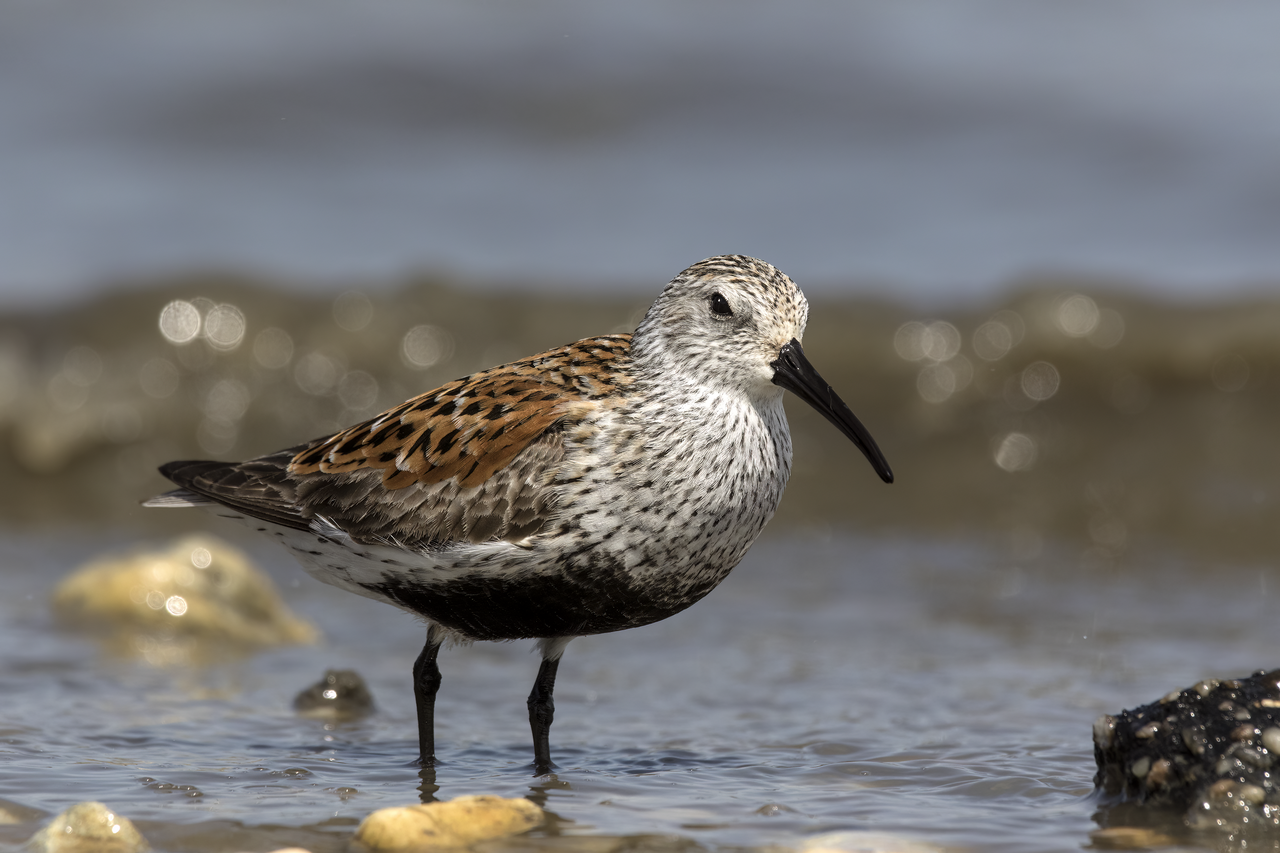
Dunlins sweep across tidal mudflats in tightly coordinated flocks, probing wet soil with a rapid, machine-like rhythm. In breeding plumage, adults display a striking black belly patch contrasting with a rich rusty back, though they turn uniform grey-brown during winter. These resilient migratory shorebirds traverse thousands of kilometers between Arctic tundra nesting grounds and temperate coastal estuaries.
MigratoryShorebirdMudflat Forager
—observations
—countries
—peak records
Near ThreatenedConservation statusIUCN Red List categoriesLCNTVUENCREWEXNear ThreatenedRed List categories, explained →
Diet & prey
- Polychaete Worms
- Small Snails
- Amphipods
Predators
- Peregrine Falcon
- Merlin
- Arctic Fox
ThreatsLoss of coastal stopover habitat, wetland drainage, climate change, and coastal pollution
HabitatsCoastal mudflats, estuaries, lagoons, wet meadows, and Arctic tundra
Life span4–12 years
Size / weightNot available
Classification
- FamilyScolopacidae
- SpeciesCalidris alpina
Range data is not available yet.
Interaction riskLow
- Low
- Moderate
- High
- Very high
- Why interaction risk is low
- Safe to observe at a normal distance.
- What to notice
- Recognizable by its slightly down-curved bill, medium size, and black belly patch in summer plumage.
- Support conservation
- Maintain a wide distance on mudflats to avoid forcing exhausted migratory birds into flight during feeding.
Responsible observation
- Observe from afar: Use a scope or telephoto lens to watch resting or feeding flocks without flushing them.
- Watch feeding style: Look for their distinctive rapid probing motion in wet mud, often compared to a sewing machine.
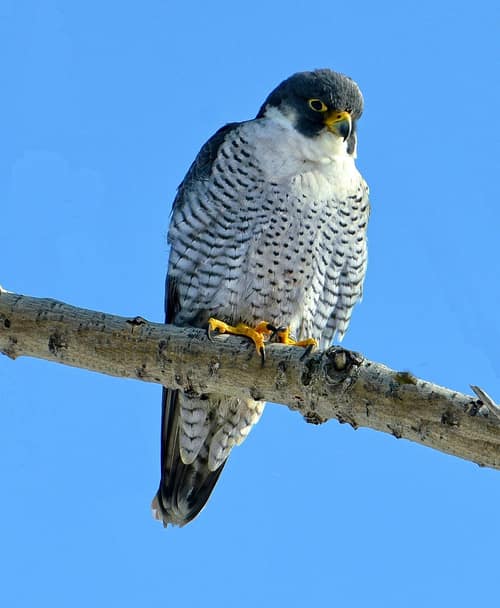
Predator Mykola Swarnyk / CC BY-SA 3.0 · cc-by-sa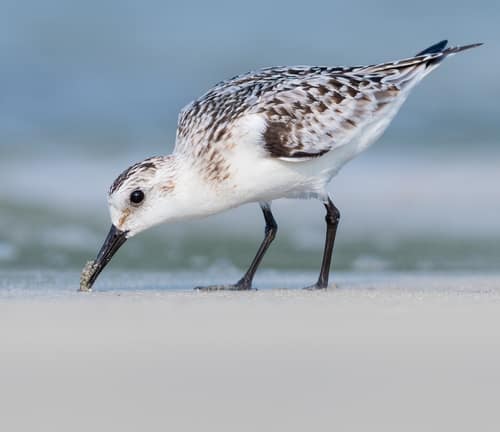
Close Relative (c) Marco Chan, some rights reserved (CC BY), uploaded by Marco Chan · cc-by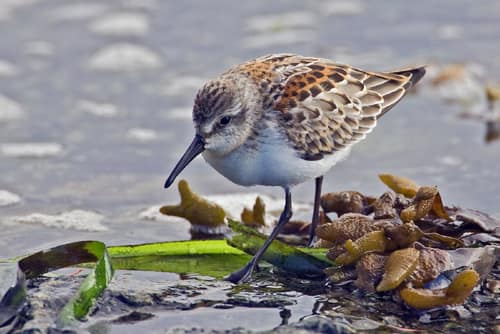
Close Relative Alan D. Wilson / CC BY-SA 3.0 · cc-by-sa
Close Relative (c) Bill Keim, some rights reserved (CC BY) · cc-by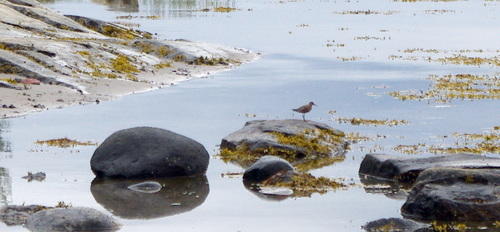
Close Relative (c) Георгий Виноградов (Georgy Vinogradov), some rights reserved (CC BY) · cc-by
Help improve the field guideSomething wrong?
Checking your Fauna account…Report a name, category, or profile issue for review.