
Bird · GBIF taxon 2481742
Western Sandpiper
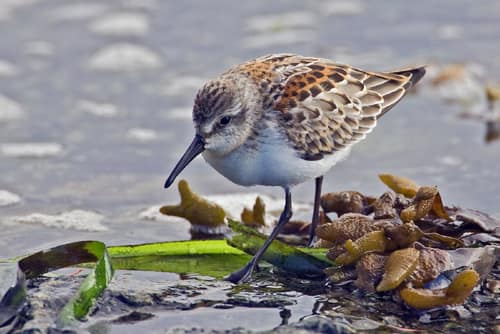
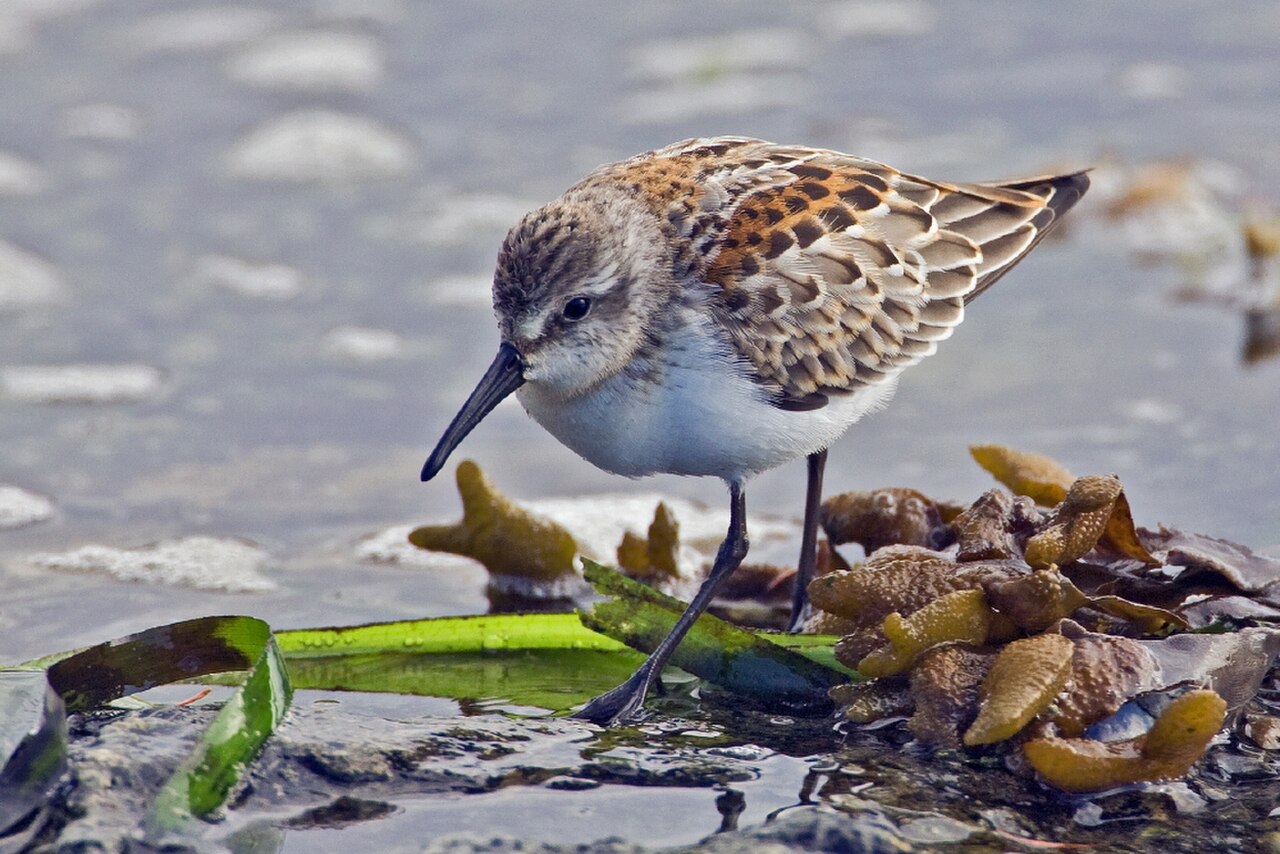
Calidris mauriWestern sandpipers gather in massive, coordinated flocks along Pacific mudflats during their energetic annual migrations between Alaskan tundra and tropical wintering sites. They use their slightly decurved bills to probe wet sediment for tiny crustaceans, marine worms, and nutrient-rich surface biofilm. Females possess slightly longer bills than males, allowing pairs to forage at different sediment depths and reduce direct competition.
MigratoryShorebirdCoastal
—observations
—countries
—peak records
Least ConcernConservation statusIUCN Red List categoriesLCNTVUENCREWEXLeast ConcernRed List categories, explained →
Diet & prey
- Marine Worms
- Small Crustaceans
- Surface Biofilm
Predators
- Peregrine Falcon
- Merlin
- Northern Harrier
ThreatsCoastal development, habitat loss at stopover sites, climate change
HabitatsMudflats, estuaries, sandy beaches, tundra breeding grounds
Life span4–9 years
Size / weightNot available
Classification
- OrderCharadriiformes
- FamilyScolopacidae
- GenusCalidris
- SpeciesCalidris mauri
Range data is not available yet.
Interaction riskLow
- Low
- Moderate
- High
- Very high
- Why interaction risk is low
- Safe to observe at a normal distance.
- What to notice
- Look for a small, dark-legged shorebird with a slightly drooping, tapered bill.
- Support conservation
- Maintain a respectful distance of at least 50 meters and avoid flushing resting flocks.
Responsible observation
- Observation: Use a spotting scope to scan feeding flocks on coastal mudflats during falling tides.
- Patience: Watch for their rhythmic probing motion along the water line.
- Etiquette: Keep dogs leashed and avoid approaching resting shorebirds on beaches.
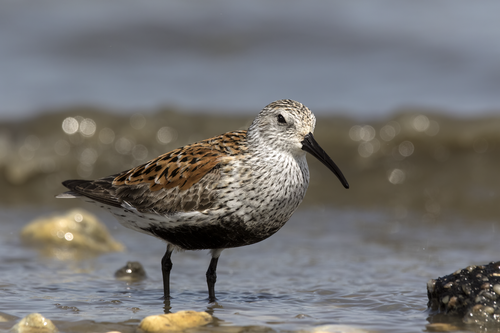
Frequent Companion Charles Homler d/b/a FocusOnWildlife / CC BY-SA 4.0 · cc-by-sa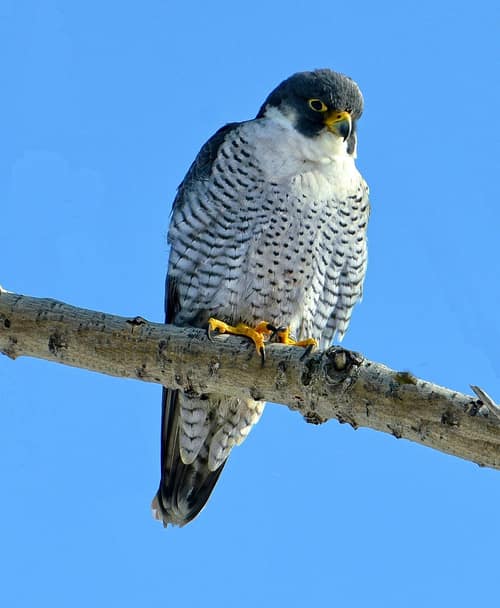
Predator Mykola Swarnyk / CC BY-SA 3.0 · cc-by-sa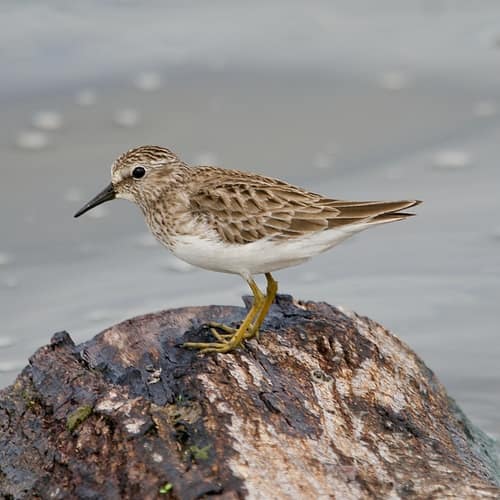
Close Relative (c) Bill Levine, some rights reserved (CC BY), uploaded by Bill Levine · cc-by
Close Relative (c) Bill Keim, some rights reserved (CC BY) · cc-by
Help improve the field guideSomething wrong?
Checking your Fauna account…Report a name, category, or profile issue for review.