
Bird · GBIF taxon 2481666
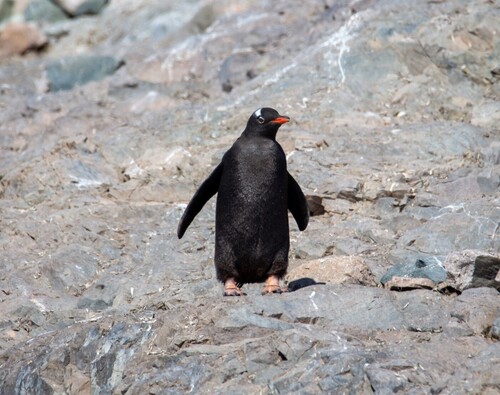
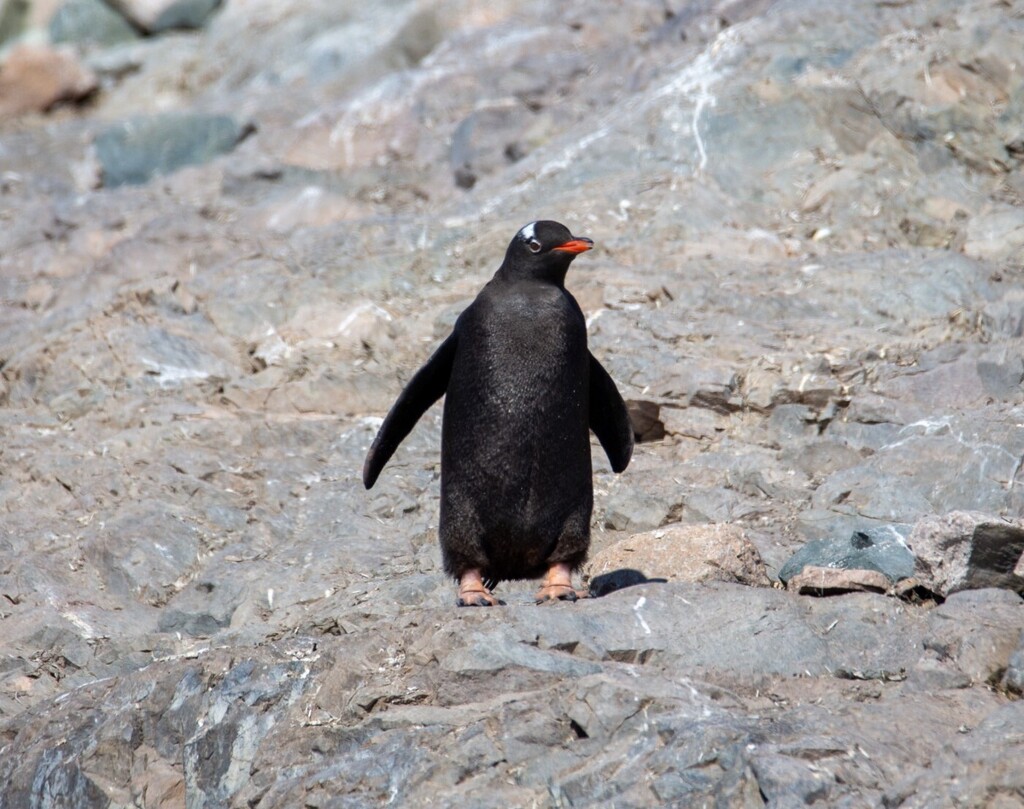
Gentoo Penguin
Pygoscelis papuaAlso known as Johnny Penguin
Gentoo penguins are the fastest underwater swimmers among all diving birds, reaching speeds up to 36 km/h. They assemble in noisy breeding colonies on sub-Antarctic islands, building nests out of carefully gathered pebbles that courting pairs present to one another. Adults spend their days making deep dives past 100 meters to hunt krill and fish before returning to share food with their chicks.
FlightlessMarineSub-Antarctic
—observations
—countries
—peak records
Least ConcernConservation statusIUCN Red List categoriesLCNTVUENCREWEXLeast ConcernRed List categories, explained →
Diet & prey
- Antarctic Krill
- Lanternfish
- Squid
Predators
- Leopard Seal
- Orca
- Brown Skua
ThreatsClimate change, overfishing, marine pollution
HabitatsSub-Antarctic islands, rocky shores, open ocean
Life span15–20 years
Classification
- OrderSphenisciformes
- FamilySpheniscidae
- GenusPygoscelis
- SpeciesPygoscelis papua
Range data is not available yet.
Interaction riskLow
- Low
- Moderate
- High
- Very high
- Why interaction risk is low
- Capable of delivering a sharp peck with their beak if approached too closely; give them space.
- Why it is dangerous
- Strong flippers and sharp beaks can inflict painful pecks and bruises if birds are cornered or handled.
- How to recognize a risky encounter
- Look for the prominent white patch sweeping across the head from eye to eye and a vivid orange-red bill.
- What to do
- Keep at least 5 meters away and never stand between a penguin and the water.
- What to notice
- Breeding colonies gather on rocky beaches and ice-free slopes with loud trumpeting vocalizations.
- Support conservation
- Avoid making sudden movements or blocking pathways, and remain quiet around nesting grounds.
Responsible observation
- Give Right of Way: Always yield to penguins walking along established paths between the sea and their nests.
- Maintain Distance: Stay at least 5 meters away to prevent stress and nest abandonment.
- Watch for Pebbles: Observe courting behavior as males present nest stones to females.
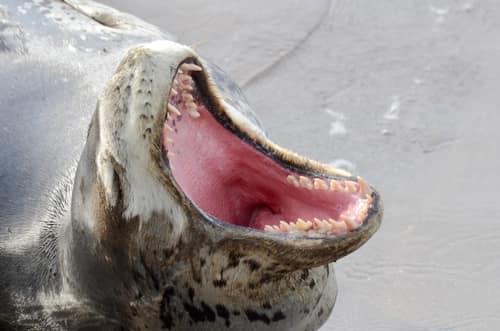
Predator (c) Mike Bowie, some rights reserved (CC BY), uploaded by Mike Bowie · cc-by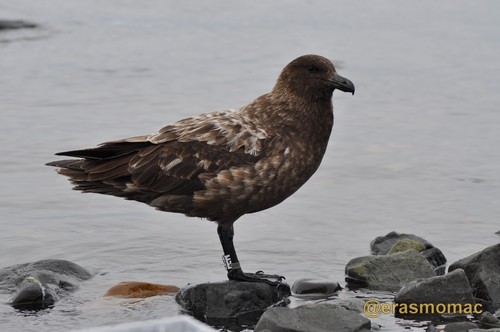
Nest Predator (c) Erasmo Macaya Horta, some rights reserved (CC BY), uploaded by Erasmo Macaya Horta · cc-by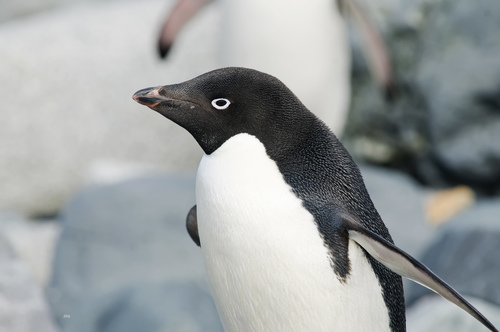
Close Relative (c) Seig, some rights reserved (CC BY), uploaded by Seig · cc-by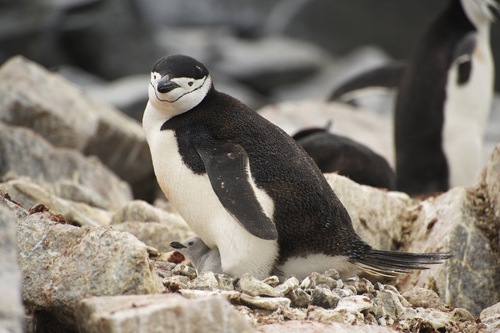
Close Relative (c) Sterling Sheehy, some rights reserved (CC BY), uploaded by Sterling Sheehy · cc-by
Help improve the field guideSomething wrong?
Checking your Fauna account…Report a name, category, or profile issue for review.