
Bird
Adelie Penguin
Pygoscelis adeliaeAdélie penguins navigate vast fields of pack ice and turbulent Southern Ocean waters, returning each spring to rocky coastal rookeries where they construct nests out of carefully hoarded pebbles. Breeding pairs share incubation and chick-rearing duties, maintaining loud, rhythmic display calls to recognize each other across chaotic colonies that number in the tens of thousands. During the brief polar summer, they make tireless foraging dives reaching depths over 150 meters to fuel their growing young before sea ice closes in again.
PelagicColonialFlightless
—observations
—countries
—peak records
Least ConcernConservation statusIUCN Red List categoriesLCNTVUENCREWEXLeast ConcernRed List categories, explained →
Diet & preyAntarctic Krill, Antarctic Silverfish, Glacial Squid
Predators
- Leopard Seal
- Killer Whale
- South Polar Skua
ThreatsClimate change altering sea ice dynamics, ocean warming, and fisheries competition
HabitatsAntarctic pack ice, coastal waters, and ice-free rocky headlands
Life span15–20 years
Classification
- OrderSphenisciformes
- FamilySpheniscidae
- GenusPygoscelis
- SpeciesPygoscelis adeliae
Range data is not available yet.
Interaction riskLow
- Low
- Moderate
- High
- Very high
- Why interaction risk is low
- Can strike hard with flippers or peck defensively if approached; maintain required viewing distances.
- Why it is dangerous
- Birds possess strong, hooked bills and dense, bone-hard flippers capable of delivering painful bruises and cuts if cornered.
- How to recognize a risky encounter
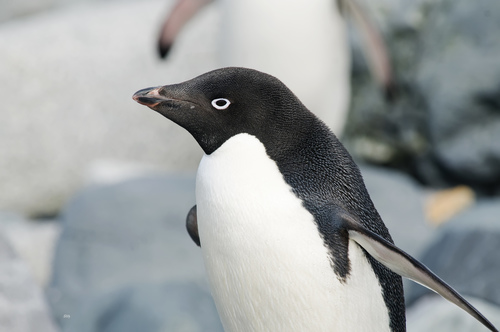
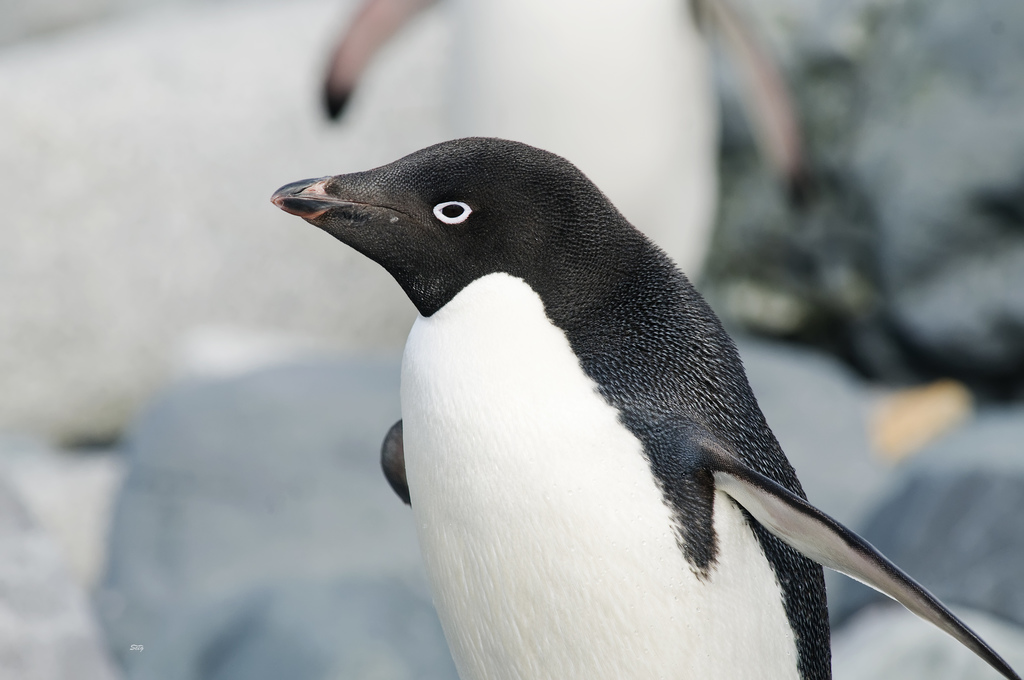
- Look for a classic black-and-white tuxedo pattern featuring an all-black head and distinct white rings around the eyes.
- What to do
- Never approach within touching distance; if a bird alters its behavior or raises its flippers, slowly retreat.
- What to notice
- Found along the Antarctic coastline, recognized by full black facial plumage and prominent white eye rings.
- Support conservation
- Adhere strictly to IAATO guidelines by keeping low, moving quietly, and never cutting across active penguin highways.
Responsible observation
- Distance Guidelines: Maintain a distance of at least 5 meters under international Antarctic visitor guidelines.
- Breeding Season: Give nesting colonies a wide berth to prevent causing stress or pebble loss.
- Right of Way: Yield pathways completely when birds are commuting between the ocean and their colonies.
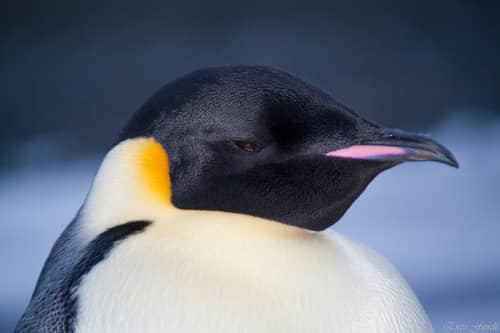
Neighbor (c) Enzo Fiorelli, some rights reserved (CC BY-SA) · cc-by-sa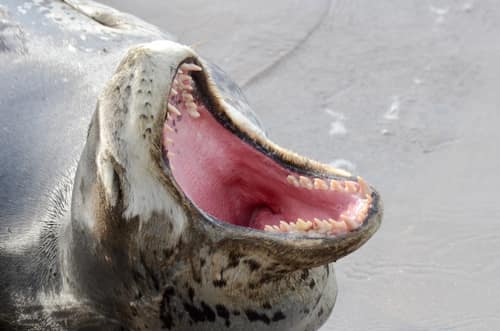
Predator (c) Mike Bowie, some rights reserved (CC BY), uploaded by Mike Bowie · cc-by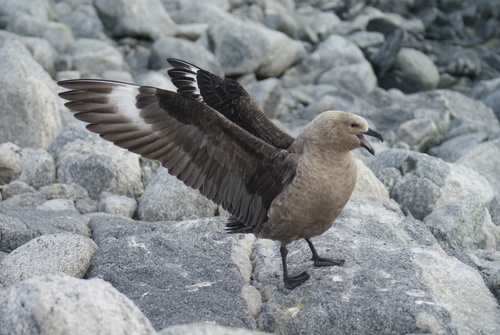
Predator (c) Kimberley Collins, some rights reserved (CC BY), uploaded by Kimberley Collins · cc-by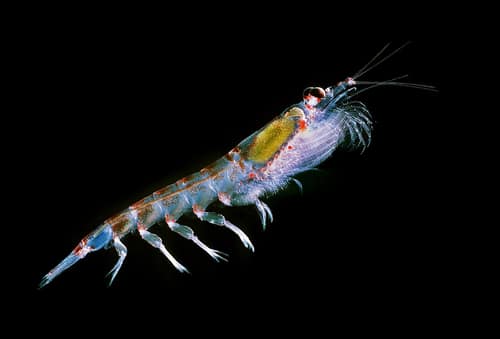
Prey (c) Krill666.jpg, some rights reserved (CC BY-SA) · cc-by-sa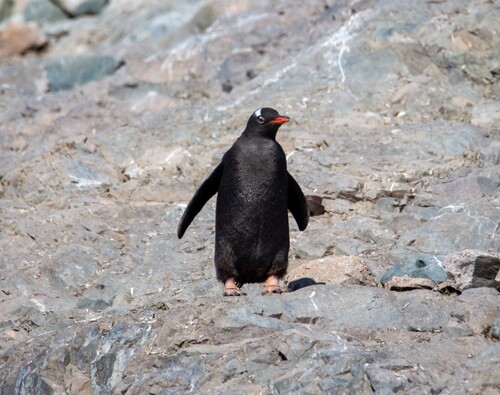
Close Relative no rights reserved · cc0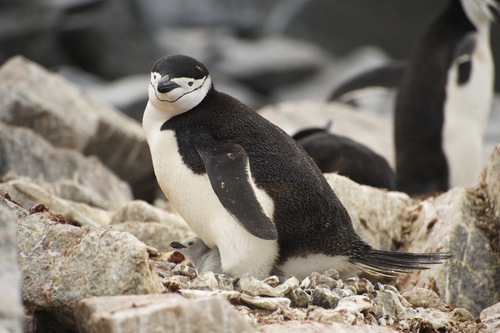
Close Relative (c) Sterling Sheehy, some rights reserved (CC BY), uploaded by Sterling Sheehy · cc-by
Help improve the field guideSomething wrong?
Checking your Fauna account…Report a name, category, or profile issue for review.