
Bird · GBIF taxon 2481661
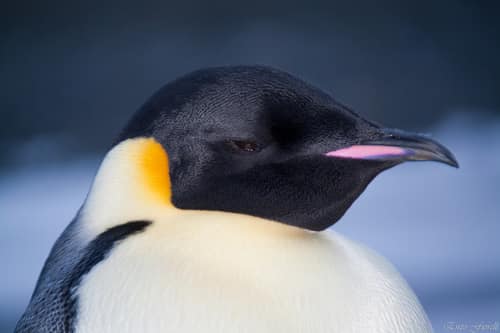
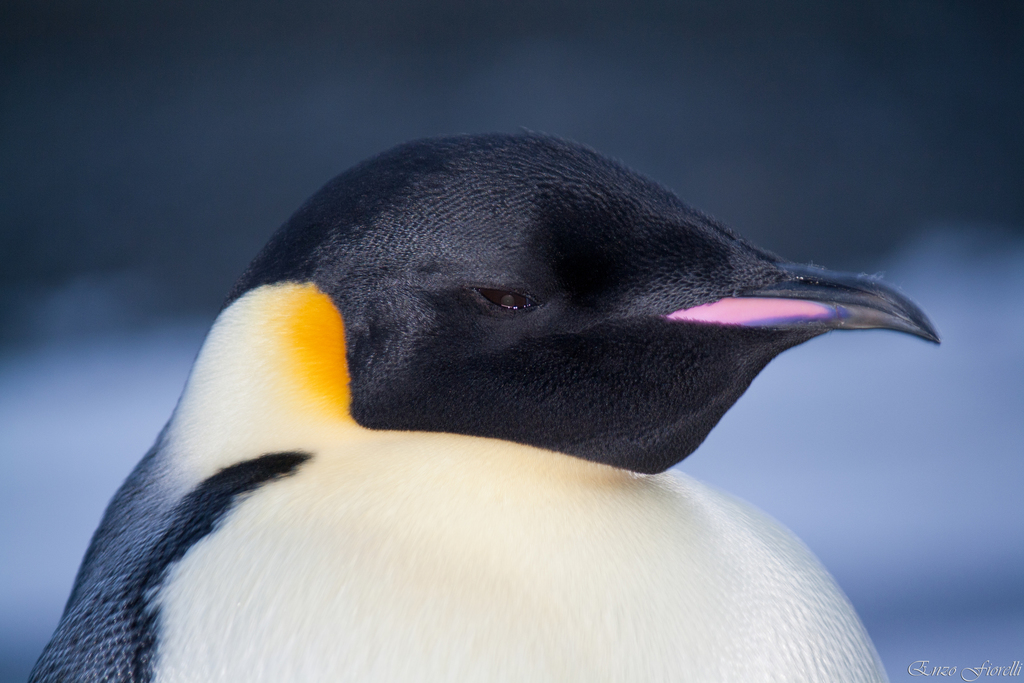
Emperor Penguin
Aptenodytes forsteriEmperor penguins endure the extreme Antarctic winter, breeding on fast ice where temperatures plummet below minus forty degrees Celsius. Males incubate a single egg balanced on their feet for over two months straight, huddles together in massive warmth-sharing groups while females hunt at sea. These deep-diving seabirds reach underwater depths exceeding five hundred meters in search of fish and squid.
AntarcticFlightlessMarine
—observations
—countries
—peak records
Near ThreatenedConservation statusIUCN Red List categoriesLCNTVUENCREWEXNear ThreatenedRed List categories, explained →
Diet & prey
- Antarctic Krill
- Antarctic Silverfish
- Glacial Squid
Predators
- Leopard Seal
- Orca
- South Polar Skua
ThreatsClimate change, sea ice loss, and human disturbance
HabitatsAntarctic sea ice and Southern Ocean waters
Life span15–20 years
Size / weightNot available
Classification
- OrderSphenisciformes
- FamilySpheniscidae
- GenusAptenodytes
- SpeciesAptenodytes forsteri
Range data is not available yet.
Interaction riskLow
- Low
- Moderate
- High
- Very high
- Why interaction risk is low
- Safe to observe from a respectful distance.
- What to notice
- Tallest penguin species, distinguished by bright yellow ear patches and black head hood.
- Support conservation
- Keep a respectful distance, move slowly, and avoid interrupting natural movement corridors.
Responsible observation
- Distance guidelines: Maintain at least five meters distance to avoid causing stress to breeding birds.
- Right of way: Always yield to moving penguins on established travel paths across the ice.
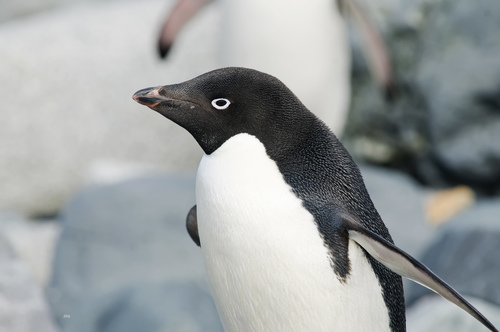
Frequent Companion (c) Seig, some rights reserved (CC BY), uploaded by Seig · cc-by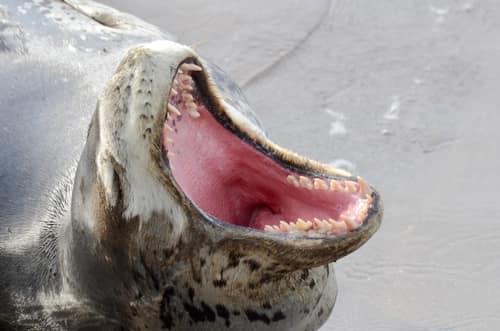
Predator (c) Mike Bowie, some rights reserved (CC BY), uploaded by Mike Bowie · cc-by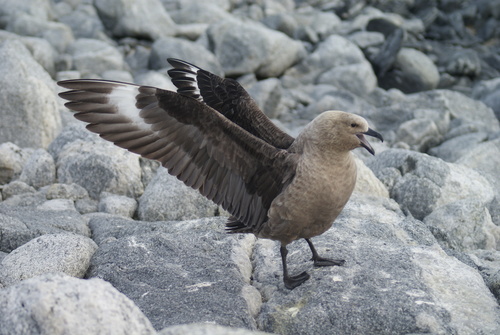
Nest Predator (c) Kimberley Collins, some rights reserved (CC BY), uploaded by Kimberley Collins · cc-by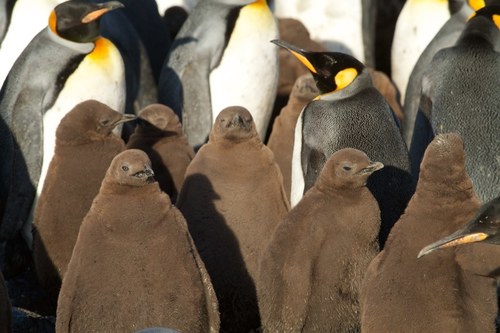
Close Relative (c) Brian Gratwicke, some rights reserved (CC BY) · cc-by
Help improve the field guideSomething wrong?
Checking your Fauna account…Report a name, category, or profile issue for review.