
Bird · GBIF taxon 2481660
King Penguin
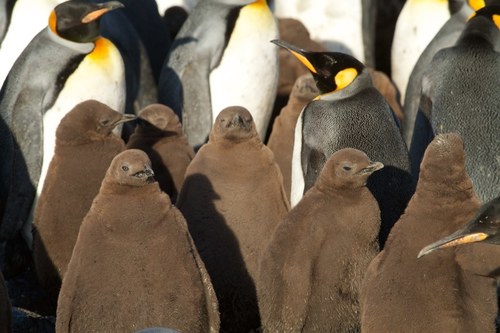
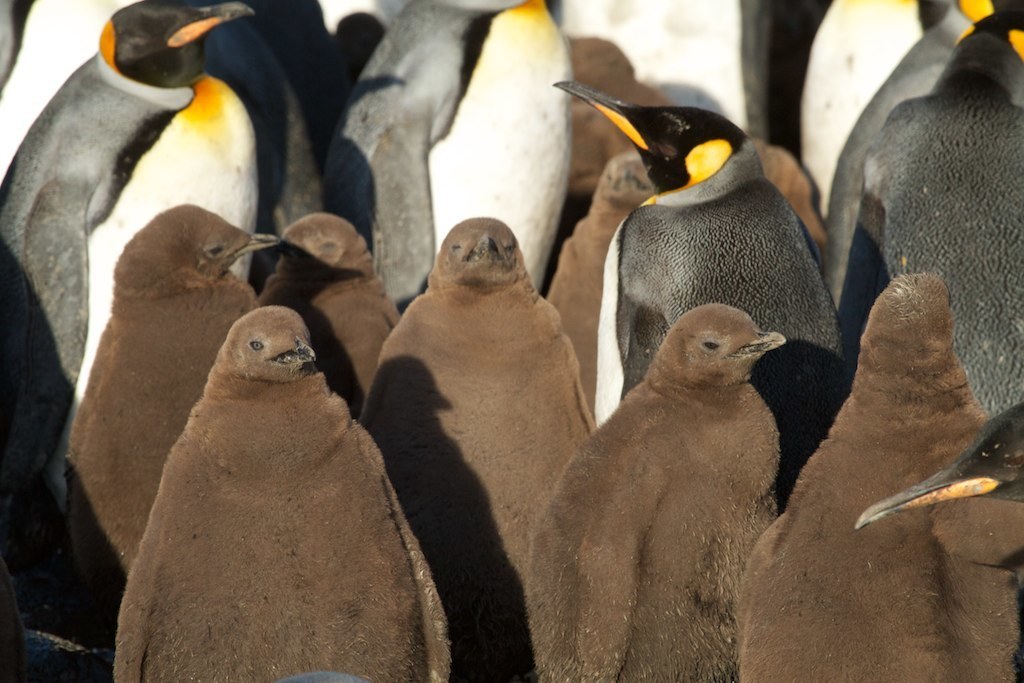
Aptenodytes patagonicusKing penguins assemble in massive, noisy breeding colonies numbering hundreds of thousands across subantarctic islands. They do not build nests, instead carrying a single egg on top of their feet under a warm belly flap of skin for over two months. Chicks grow a dense, brown down coat so distinct from their sleek parents that early explorers mistook them for a different species.
FlightlessColonialSubantarctic
—observations
—countries
—peak records
Least ConcernConservation statusIUCN Red List categoriesLCNTVUENCREWEXLeast ConcernRed List categories, explained →
Diet & prey
- Lanternfish
- Squid
- Krill
Predators
- Leopard seals
- Orcas
- Giant petrels
ThreatsClimate change, marine heatwaves, and shifting prey distributions
HabitatsSubantarctic islands, beaches, and open ocean
Life span15–20 years in the wild
Classification
- OrderSphenisciformes
- FamilySpheniscidae
- GenusAptenodytes
- SpeciesAptenodytes patagonicus
Range data is not available yet.
Interaction riskLow
- Low
- Moderate
- High
- Very high
- Why interaction risk is low
- Safe to observe at a normal distance.
- What to notice
- Recognized by bright orange neck patches, silvery-grey backs, and dense gatherings on Subantarctic beaches.
- Support conservation
- Remain strictly on designated paths, never walk through the colony, and give commuting birds the right of way.
Responsible observation
- Observe Distance: Maintain a respectful distance of at least five meters to avoid displacing incubating adults.
- Path Right-of-Way: Yield the path to penguins traveling between the ocean and their breeding grounds.
- Quiet Presence: Keep voices low and refrain from sudden movements around dense nesting groups.
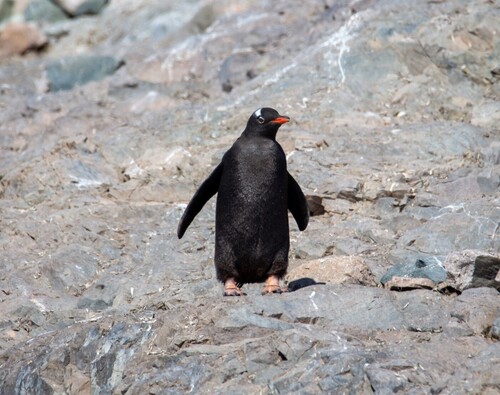
Colony Neighbor no rights reserved · cc0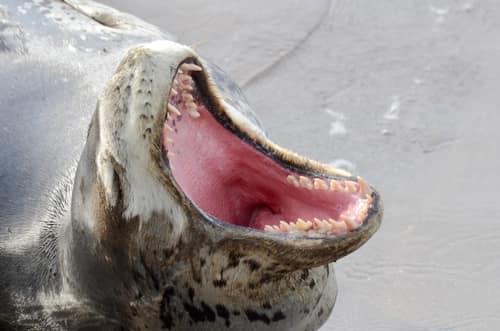
Predator (c) Mike Bowie, some rights reserved (CC BY), uploaded by Mike Bowie · cc-by Image unavailable
Predator 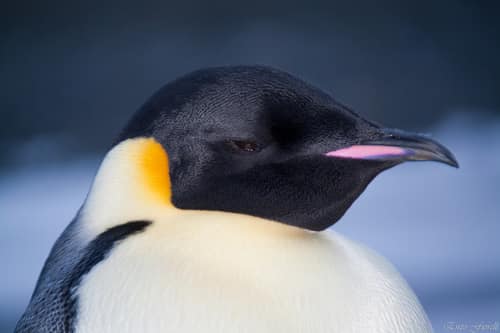
Close Relative (c) Enzo Fiorelli, some rights reserved (CC BY-SA) · cc-by-sa
Help improve the field guideSomething wrong?
Checking your Fauna account…Report a name, category, or profile issue for review.