
Bird · GBIF taxon 2481432
Southern Fulmar
Fulmarus glacialoidesAlso known as Antarctic Fulmar, Silver-grey Fulmar, Slender-billed Fulmar
Southern fulmars glide tirelessly over the icy waters of the Southern Ocean, riding strong sea winds with stiff-winged mastery. They nest in massive, noisy colonies on Antarctic cliffs and offshore islands, laying a single egg in a shallow rock scrape. When threatened, adults and chicks defend their nests by forcefully projecting foul-smelling stomach oil at intruders.
PelagicSeabirdColonial
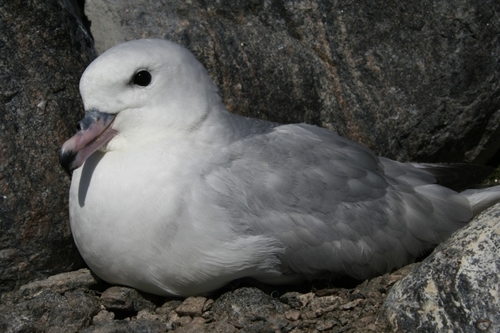
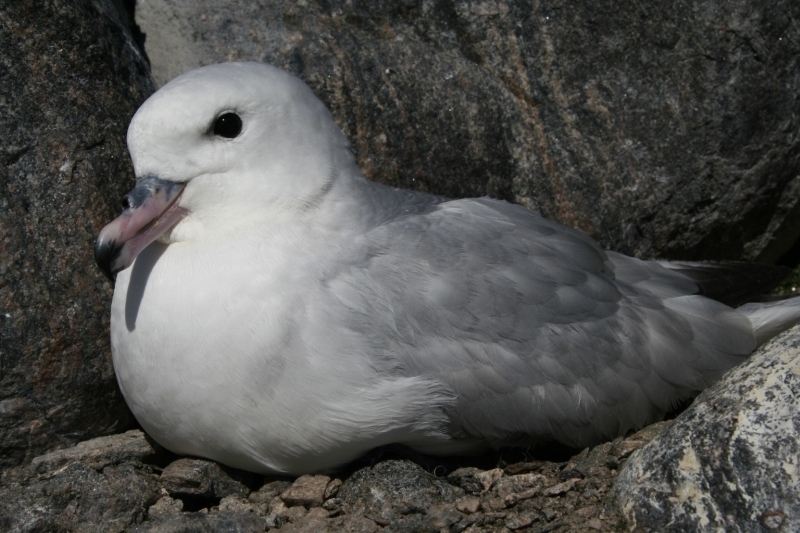
Licensed reference(c) Wikimedia Commons, some rights reserved (CC BY-SA) · cc-by-sa
—observations
—countries
—peak records
Least ConcernConservation statusIUCN Red List categoriesLCNTVUENCREWEXLeast ConcernRed List categories, explained →
Diet & prey
- Antarctic krill
- Small fish
- Squid
Predators
- Brown Skua
- Southern Giant Petrel
ThreatsClimate change, commercial fisheries bycatch, and plastic pollution
HabitatsOpen ocean, subantarctic waters, and rocky coastal cliffs
Life span15–30 years
Size / weightNot available
Classification
- FamilyProcellariidae
- SpeciesFulmarus glacialoides
Range data is not available yet.
Interaction riskLow
- Low
- Moderate
- High
- Very high
- Why interaction risk is low
- Safe to observe at a normal distance.
- What to notice
- Look for pale silver-grey upperparts, stark white underparts, and a pink bill with a dark tip.
- Support conservation
- Observe nesting cliffs from a respectful distance using binoculars or long lenses.
Responsible observation
- Pelagic trips: Look for them trailing behind pelagic expedition vessels in southern waters.
- Breeding sites: Maintain a safe distance from cliff nests to avoid provoking defensive oil projection.
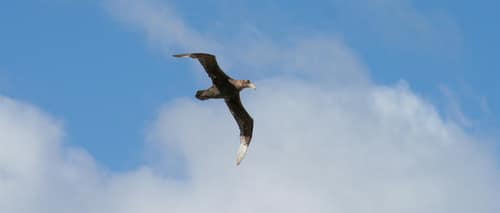
Competitor (c) Richard Giddins, some rights reserved (CC BY) · cc-by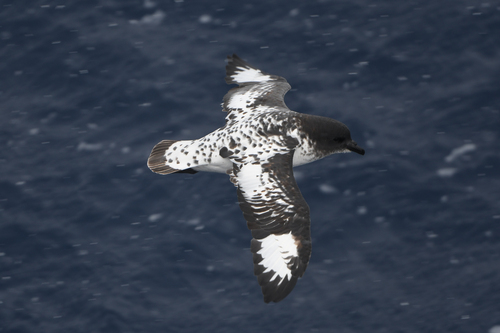
Frequent Companion (c) Julien Renoult, some rights reserved (CC BY), uploaded by Julien Renoult · cc-by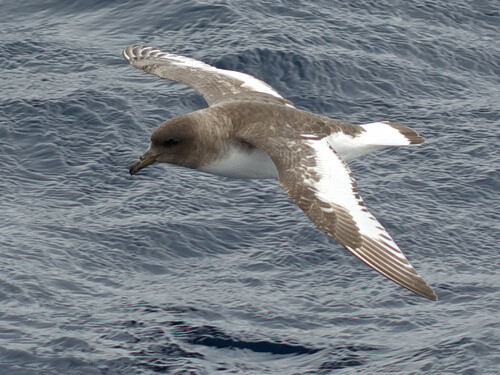
Frequent Companion (c) François Guerraz, some rights reserved (CC BY-SA) · cc-by-sa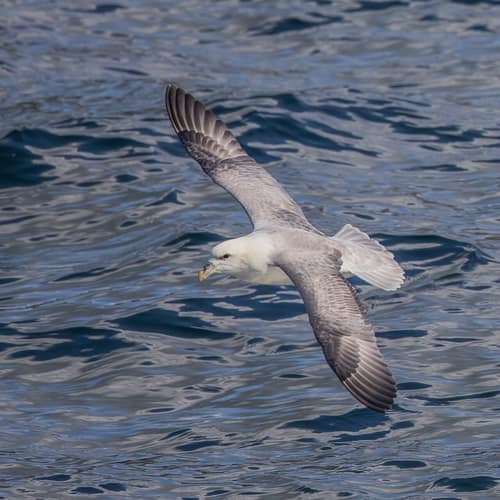
Close Relative Charles J. Sharp / CC BY-SA 4.0 · cc-by-sa
Help improve the field guideSomething wrong?
Checking your Fauna account…Report a name, category, or profile issue for review.