Also known as Shy Mollymawk, Tasmanian Shy Albatross
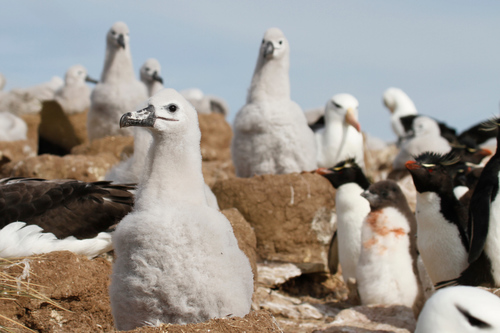
Shy albatrosses glide effortlessly over storm-tossed southern seas using dynamic soaring to travel thousands of kilometers with barely a flap of their massive wings. Monogamous pairs reunite each spring on wind-scoured Tasmanian islands to build cone-shaped mud nests and rear a single chick across eight demanding months. When hunting, they plunge several meters beneath the surface to seize squid and schooling fish, frequently trailing fishing vessels in search of discarded offal.
ThreatsLongline and trawl fisheries bycatch, marine heatwaves, and limited nesting space
HabitatsPelagic open ocean, shelf breaks, and rocky offshore breeding islands
Life spanUp to 60 years
Size / weightNot available
Classification
OrderProcellariiformes
FamilyDiomedeidae
GenusThalassarche
SpeciesThalassarche cauta
Range & activity
Range data is not available yet.
Safe observation
Interaction riskLow
Low
Moderate
High
Very high
Why interaction risk is low
Safe to observe from boats at a normal distance.
What to notice
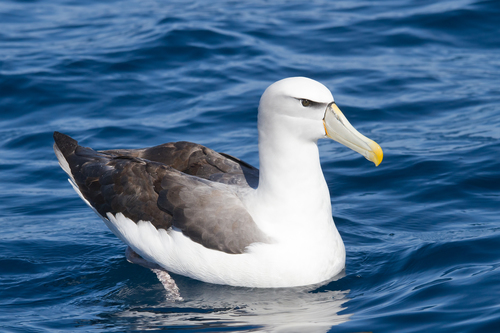
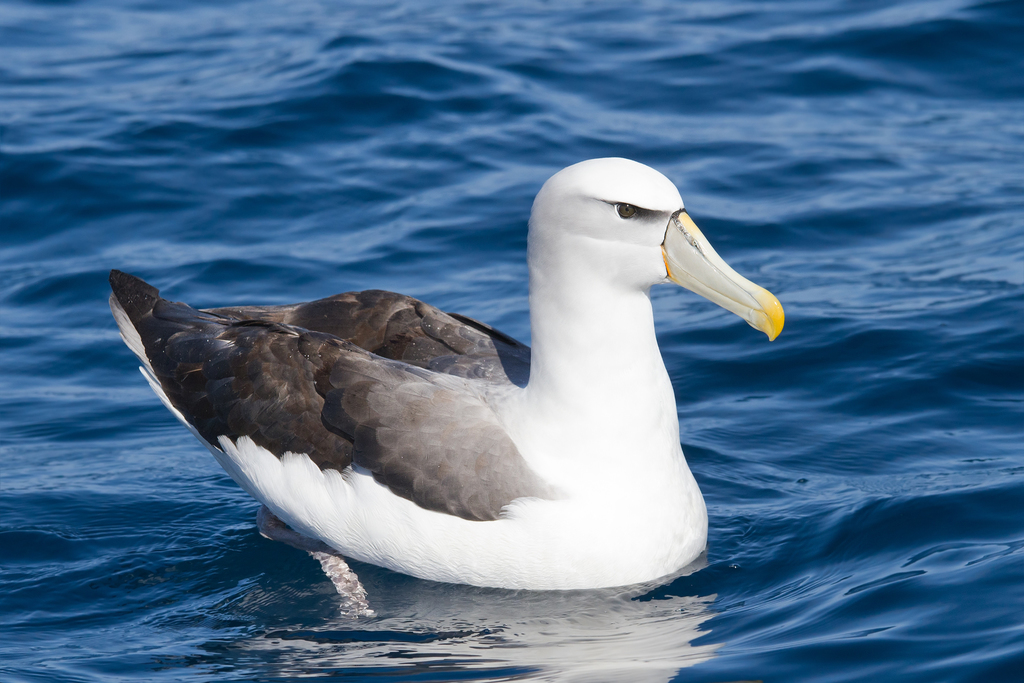
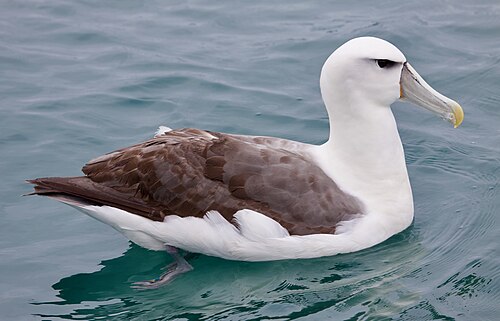
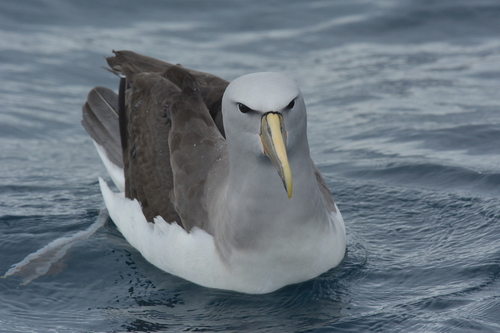
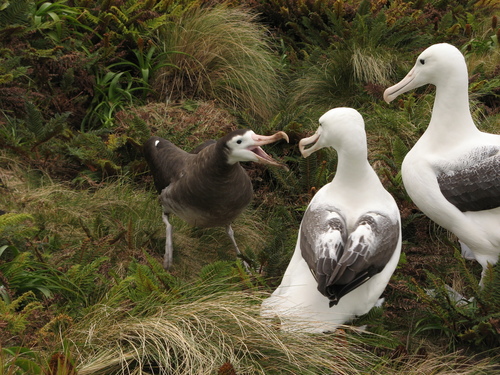
Look for a massive seabird with pure white underwings edged narrowly in black, a dark thumbprint mark at the wing armpit, and a pale grey-green bill with a yellow tip.
Support conservation
Observe exclusively from marine tour vessels without disturbing flight trajectories, and keep all fishing gear safely stowed.
Responsible observation
Pelagic Viewing: Use high-powered binoculars or telephoto lenses from offshore charter boats during winter and spring.
Boat Etiquette: Never throw food scraps or fishing line into the water, which lures them dangerously close to boat propellers.
Colony Respect: Never attempt private landings on their three protected Tasmanian nesting islands.