
Bird · GBIF taxon 2481339
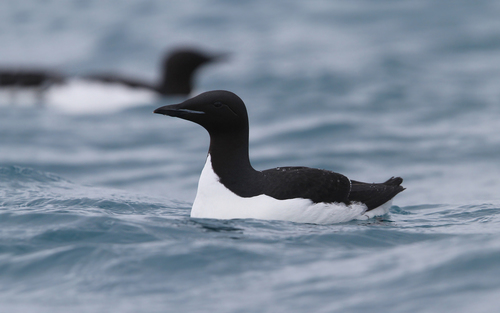
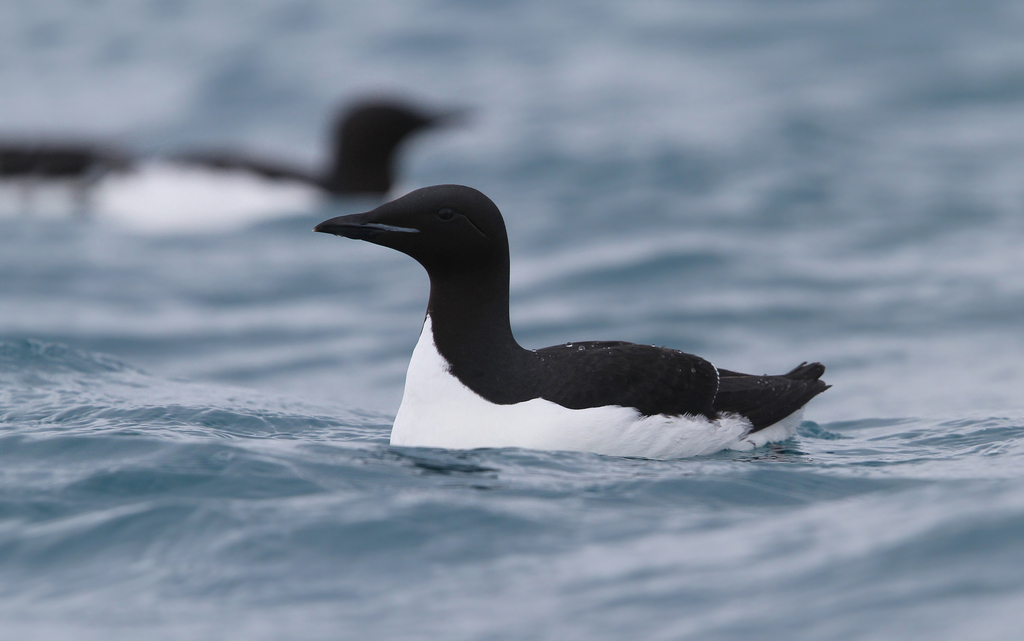
Thick-billed Murre
Uria lomviaAlso known as Brünnich's Guillemot, Pallas' Murre
Thick-billed murres are heavy-bodied, pursuit-diving seabirds built for underwater propulsion rather than effortless flight. They nest in massive, noisy colonies on sheer ocean cliffs, laying a single pear-shaped egg directly on bare rock ledges without a nest. Before fledging, chicks jump off high cliffs into the sea guided by their fathers, who swim with them far out into pelagic waters.
SeabirdPelagicArctic
—observations
—countries
—peak records
Least ConcernConservation statusIUCN Red List categoriesLCNTVUENCREWEXLeast ConcernRed List categories, explained →
Diet & prey
- Arctic Cod
- Capelin
- Amphipods
Predators
- Glaucous Gull
- Arctic Fox
- Polar Bear
ThreatsClimate change, marine oil spills, gillnet entanglement
HabitatsSubarctic oceans, pelagic waters, sheer coastal cliffs
Life span15–25 years
Size / weightNot available
Classification
- FamilyAlcidae
- SpeciesUria lomvia
Range data is not available yet.
Interaction riskLow
- Low
- Moderate
- High
- Very high
- Why interaction risk is low
- Safe to observe at a normal distance.
- What to notice
- Recognize by its dark head, heavy bill with a distinct white gape stripe, and bright white underparts.
- Support conservation
- Observe from a respectful distance or from offshore boats, avoiding loud noises, drones, or sudden approaches near active nesting cliffs.
Responsible observation
- Cliff Viewing: Use binoculars or a spotting scope from established trails above colonies to avoid disturbing nesting pairs.
- Boat Observation: Keep watercraft at low speeds when traveling near rafted birds in coastal bays.
- Season Timing: Visit subarctic breeding cliffs between May and July to see dense breeding aggregations.
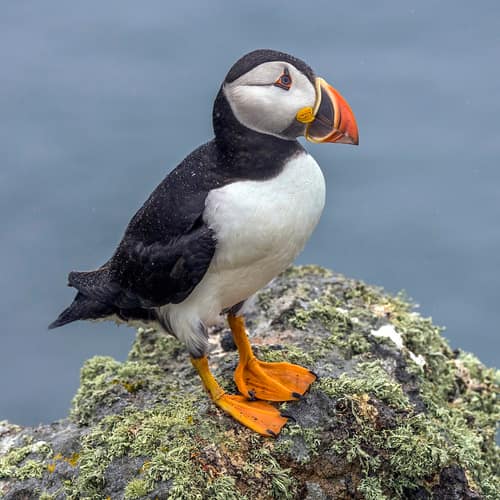
Colony Neighbor Charles J. Sharp / CC BY-SA 4.0 · cc-by-sa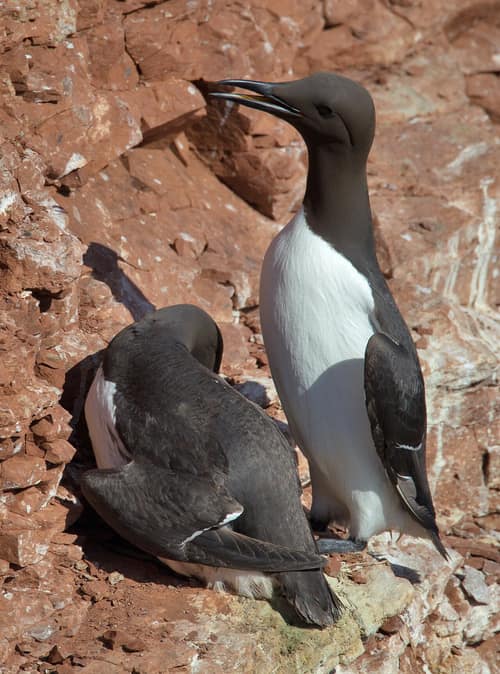
Close Relative Andreas Trepte / CC BY-SA 2.5 · cc-by-sa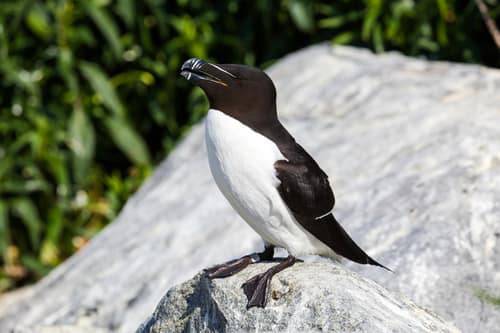
Close Relative (c) Melissa McMasters, some rights reserved (CC BY) · cc-by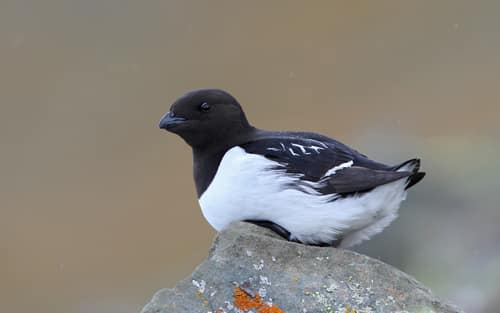
Close Relative (c) Christoph Moning, some rights reserved (CC BY), uploaded by Christoph Moning · cc-by
Help improve the field guideSomething wrong?
Checking your Fauna account…Report a name, category, or profile issue for review.