
Bird
Indian Skimmer
Rynchops albicollisAlso known as Indian Scissors-Bill
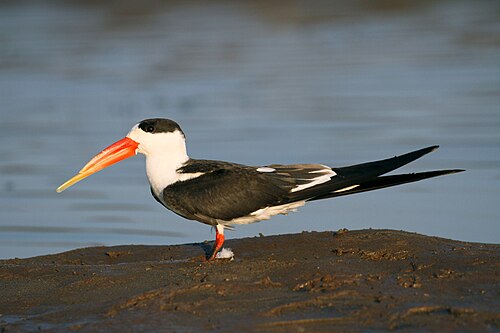
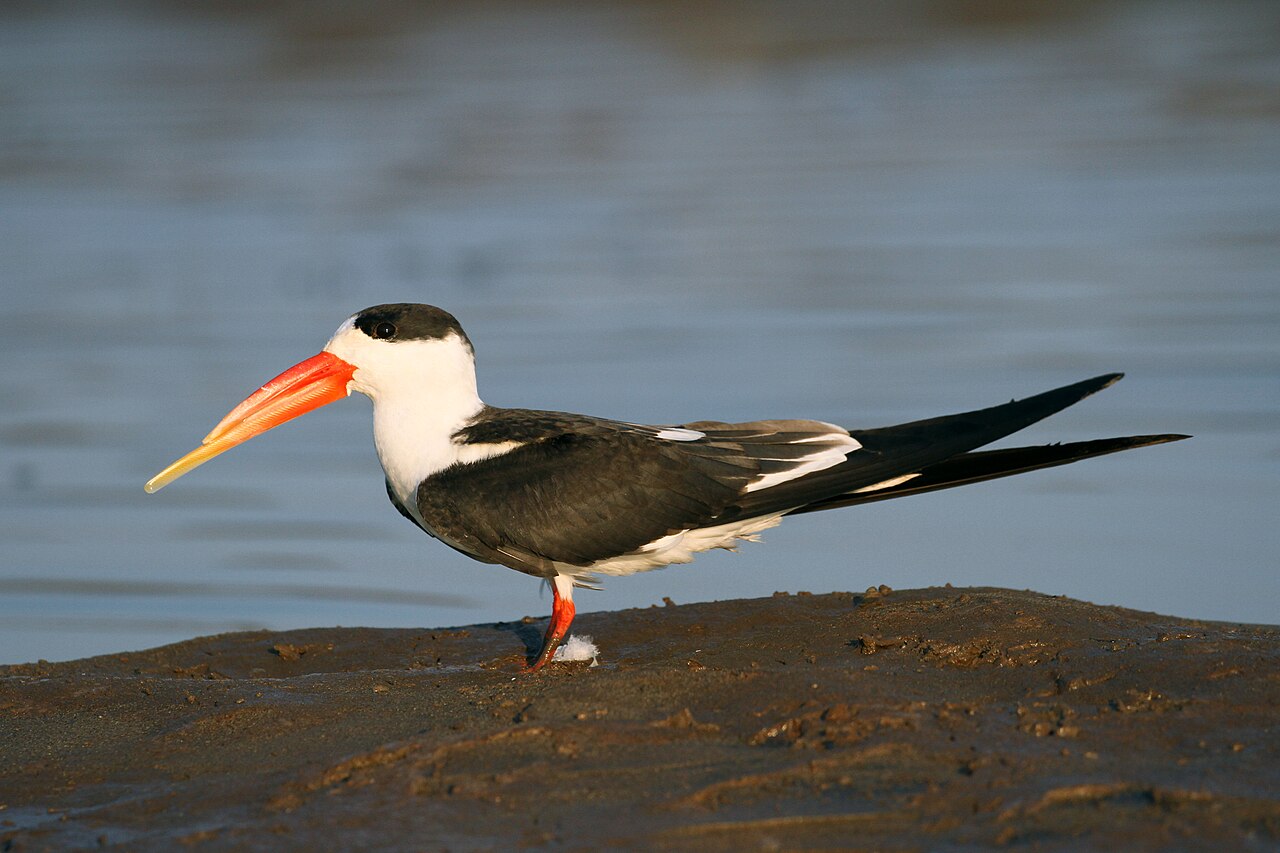
Gliding inches above calm river shallows, Indian skimmers plow the water with an elongated lower mandible to snap up small surface fish by touch. These striking birds gather on exposed sandbars and river islands during the dry season, forming loud, close-knit breeding colonies often shared with terns. Unpredictable water releases from upstream dams and relentless sand mining have devastated their riverine strongholds across southern Asia.
WaterbirdRiverinePiscivore
—observations
—countries
—peak records
EndangeredConservation statusIUCN Red List categoriesLCNTVUENCREWEXEndangeredRed List categories, explained →
Diet & preySmall surface fish, Aquatic insects, Freshwater shrimp
Predators
- House Crow
- Feral dog
- Steppe Eagle
ThreatsDam construction, unregulated water releases, sand mining, and livestock disturbance on nesting bars
HabitatsBroad lowland rivers, exposed sandy islands, estuaries, and calm freshwater lakes
Life span10–15 years
Classification
- FamilyLaridae
- SpeciesRynchops albicollis
Range data is not available yet.
Interaction riskLow
- Low
- Moderate
- High
- Very high
- Why interaction risk is low
- Safe to observe at a normal distance.
- What to notice
- Look for a bright orange bill with an oversized lower jaw, black cap, white underparts, and long pointed wings.
- Support conservation
- Never step onto exposed sandbars during the nesting season from February to May, and observe exclusively by boat from mid-channel.
Responsible observation
- Viewing distance: Maintain a wide buffer from sand islands during the dry-season breeding months.
- Best timing: Watch wide river channels in low light during dawn or dusk when birds actively skim.
Frequent Companion (c) Mitul and Vijul Singh, some rights reserved (CC BY) · cc-by Image unavailable
Competitor 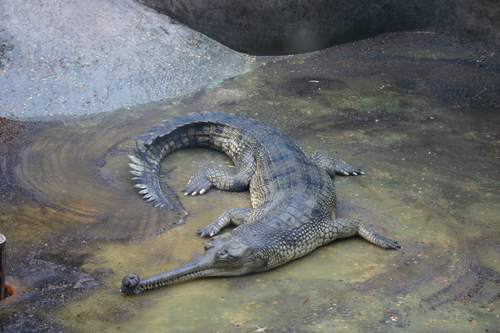
Neighbor (c) Ryan Somma, some rights reserved (CC BY-SA) · cc-by-sa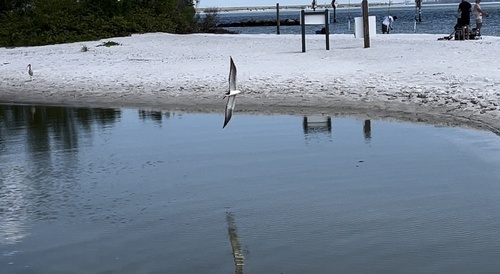
Close Relative (c) Ethan, some rights reserved (CC BY) · cc-by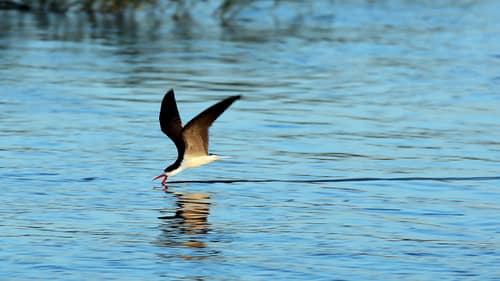
Close Relative (c) Wynand Uys, some rights reserved (CC BY), uploaded by Wynand Uys · cc-by
Help improve the field guideSomething wrong?
Checking your Fauna account…Report a name, category, or profile issue for review.