
Bird · GBIF taxon 2481208
African Skimmer
Rynchops flavirostrisAlso known as African Scissorbill
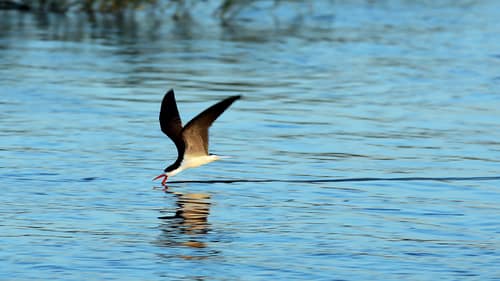
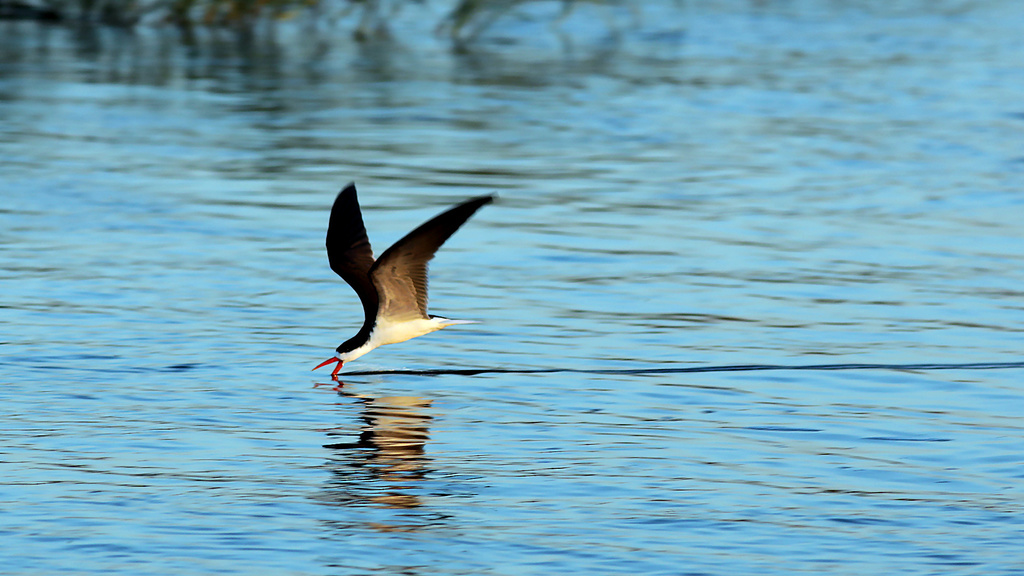
African skimmers patrol calm river stretches and lakesides, flying low with their elongated lower mandible slicing through the water surface to catch small fish on contact. They nest socially on open sandbars during low-water seasons, forming compact colonies that rely on stable water levels to raise chicks. River damming, sand extraction, and human intrusion on breeding beaches present ongoing challenges to their survival across sub-Saharan Africa.
PiscivoreCoastal & AquaticSocial
 1 / 3
1 / 3—observations
—countries
—peak records
Least ConcernConservation statusIUCN Red List categoriesLCNTVUENCREWEXLeast ConcernRed List categories, explained →
Diet & prey
- Small Fish
- Aquatic Insects
- Crustaceans
Predators
- African Fish Eagle
- Water Monitor
- Nile Crocodile
ThreatsDam construction, nest disturbance, livestock trampling, sand mining
HabitatsLarge rivers, lakes, lagoons, estuaries
Life span10–15 years
Size / weightNot available
Classification
- FamilyLaridae
- SpeciesRynchops flavirostris
Range data is not available yet.
Interaction riskLow
- Low
- Moderate
- High
- Very high
- Why interaction risk is low
- Safe to observe at a normal distance.
- What to notice
- Recognizable by its bright orange bill with an elongated lower mandible and stark black-and-white body.
- Support conservation
- Keep boat traffic and foot travel far away from low sandbars where these birds nest on bare ground.
Responsible observation
- Observe at Dusk: Scan open water surfaces during early morning or late afternoon when skimming activity peaks.
- Give Sandbars Clearance: Stay well back from exposed river islands during the dry season to prevent colony desertion.
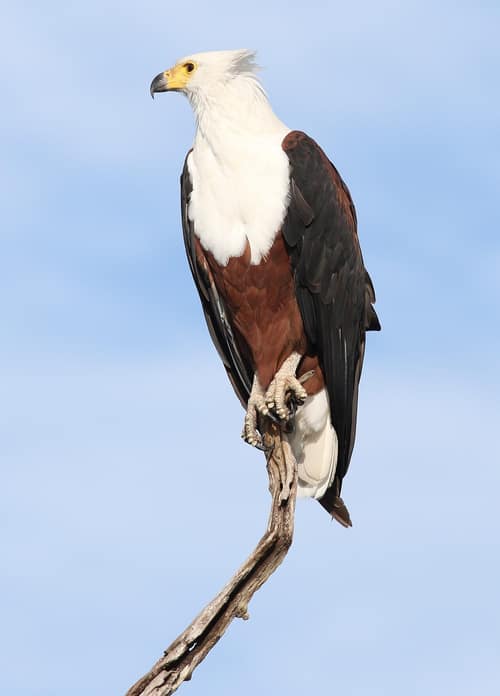
Predator Derek Keats from Johannesburg, South Africa / CC BY 2.0 · cc-by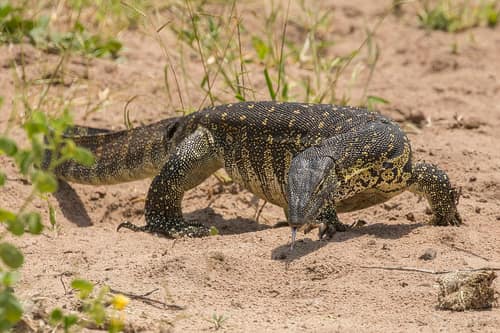
Nest Predator Charles J. Sharp / CC BY-SA 4.0 · cc-by-sa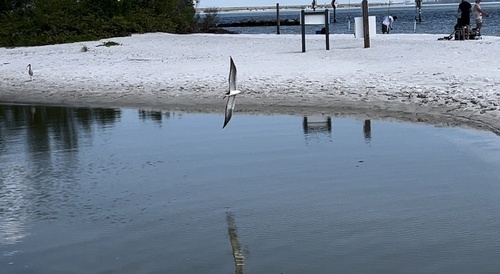
Close Relative (c) Ethan, some rights reserved (CC BY) · cc-by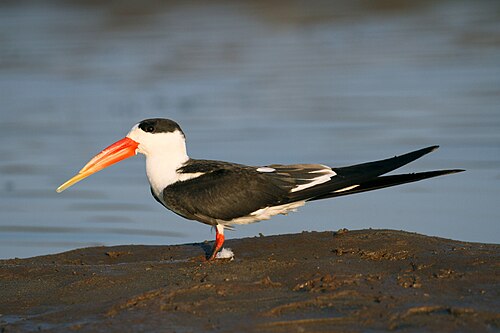
Close Relative Davidvraju / CC BY-SA 4.0 · cc-by-sa
Help improve the field guideSomething wrong?
Checking your Fauna account…Report a name, category, or profile issue for review.