
Bird · GBIF taxon 2481205
Black-legged Kittiwake
Rissa tridactylaAlso known as Kittiwake, Atlantic Kittiwake, Pacific Kittiwake
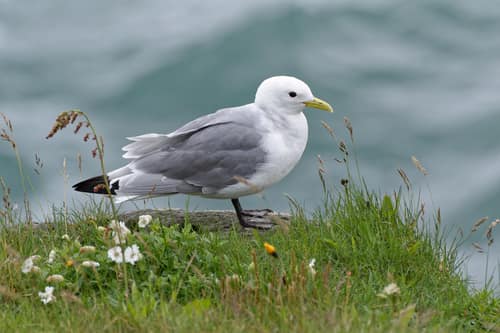
Black-legged kittiwakes are cliff-dwelling oceanic gulls named for their distinctive ringing vocalizations that reverberate across Arctic and subarctic breeding colonies. Unlike most gulls that forage on foot along shores, these agile seabirds spend winters in the open ocean and plunge-dive or surface-dip for small schooling fish. High cliff ledges provide safe nesting sites where mated pairs build sturdy mud and vegetation platforms to raise their young.
OceanicColonialCliff-Nesting
 1 / 7
1 / 7—observations
—countries
—peak records
VulnerableConservation statusIUCN Red List categoriesLCNTVUENCREWEXVulnerableRed List categories, explained →
Diet & prey
- Sandeels
- Capelin
- Amphipods
Predators
- Glaucous Gull
- Arctic Fox
- Great Skua
ThreatsWarming ocean temperatures, forage fish depletion, marine pollution, and extreme weather events
HabitatsPelagic ocean, rocky coastal cliffs, and arctic or subarctic islands
Life span10–20 years (up to 28 years)
Size / weightNot available
Classification
- FamilyLaridae
- SpeciesRissa tridactyla
Range data is not available yet.
Interaction riskLow
- Low
- Moderate
- High
- Very high
- Why interaction risk is low
- Safe to observe at a normal distance.
- What to notice
- Look for a solid yellow bill, black wingtips lacking white spots, and jet-black legs.
- Support conservation
- Keep a safe distance from cliff edges to prevent disturbance that might panic nesting adults into knocking eggs or chicks from ledges.
Responsible observation
- Observation: Use binoculars or a spotting scope to view cliff-nesting colonies from a safe distance without disturbing birds.
- Vocalizations: Listen for their loud, echoing 'kittee-wa-aaake' calls around coastal breeding sites.
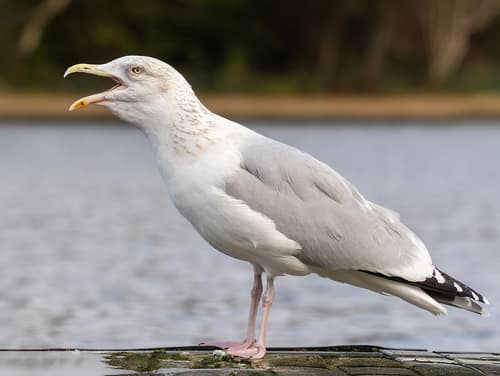
Colony Neighbor Rhododendrites / CC BY-SA 4.0 · cc-by-sa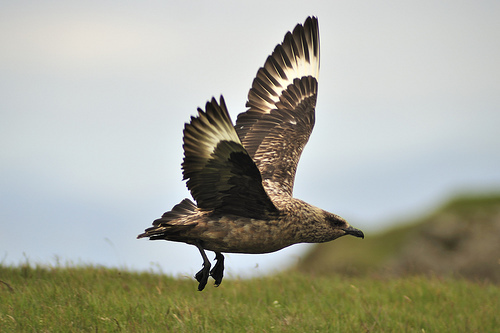
Predator (c) Ulrich Latzenhofer, some rights reserved (CC BY-SA) · cc-by-sa
Prey Walter Baxter / CC BY-SA 2.0 · cc-by-sa
Close Relative (c) NOAA Photo Library, some rights reserved (CC BY) · cc-by
Help improve the field guideSomething wrong?
Checking your Fauna account…Report a name, category, or profile issue for review.