
Bird · GBIF taxon 2481202
Ivory Gull
Pagophila eburneaAlso known as Snow Gull
Ivory gulls are stark white seabirds perfectly adapted to the icy wilderness of the high Arctic, where they spend most of their lives around pack ice and marine mammal feeding areas. They emit a harsh, tern-like call that echoes across frozen waters as they scavenge marine scraps or hunt small fish along the sea ice edge. Breeding pairs nest in isolated colonies on rugged sea cliffs or gravel bars before returning to the ice pack for the long winter.
SeabirdArcticPure White
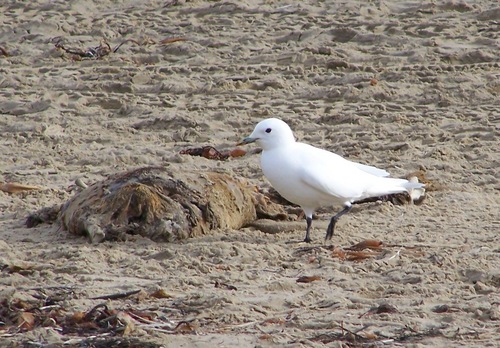
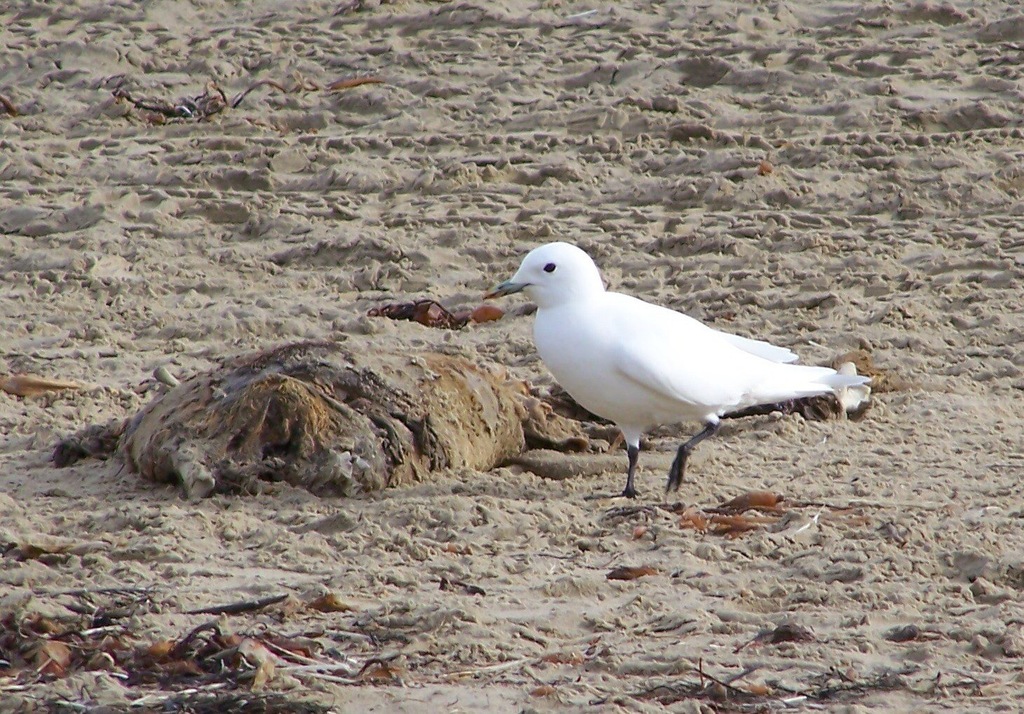
Licensed reference(c) nmoorhatch, some rights reserved (CC BY) · cc-by
—observations
—countries
—peak records
Near ThreatenedConservation statusIUCN Red List categoriesLCNTVUENCREWEXNear ThreatenedRed List categories, explained →
Diet & prey
- Arctic Cod
- Lanternfish
- Amphipods
Predators
- Arctic Fox
- Glaucous Gull
- Polar Bear
ThreatsSea ice loss from climate change, mercury and persistent organic pollutants, marine oil spills
HabitatsPack ice, drift ice, high Arctic tundra cliffs, gravel bars
Life span10–20 years
Size / weightNot available
Classification
- FamilyLaridae
- SpeciesPagophila eburnea
Range data is not available yet.
Interaction riskLow
- Low
- Moderate
- High
- Very high
- Why interaction risk is low
- Safe to observe at a normal distance.
- What to notice
- Recognized by pure white plumage, jet-black legs, and a dark, yellow-tipped bill.
- Support conservation
- Maintain a safe distance to prevent disturbing nesting pairs or foraging birds along the ice.
Responsible observation
- Look Near Pack Ice: Scan ice edges and mammal haul-outs where these gulls frequently forage.
- Listen for Flight Calls: Listen for a harsh, tern-like call that betrays their presence against white snow.
- Keep a Safe Distance: Avoid disturbing high-latitude cliff colonies during the summer breeding season.
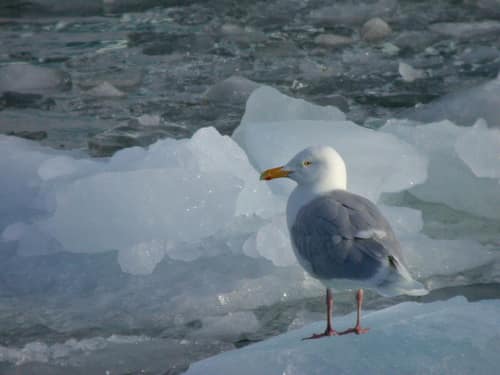
Competitor Alastair Rae from London, UK / CC BY-SA 2.0 · cc-by-sa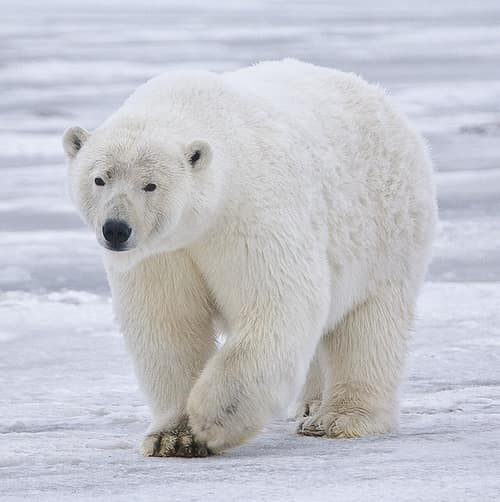
Ecological Partner Alan Wilson / CC BY-SA 3.0 · cc-by-sa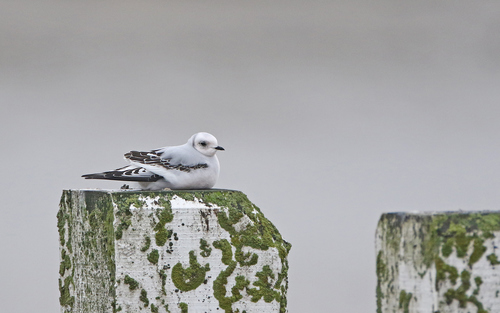
Arctic Relative (c) Christoph Moning, some rights reserved (CC BY) · cc-by Image unavailable
Arctic Relative
Help improve the field guideSomething wrong?
Checking your Fauna account…Report a name, category, or profile issue for review.