
Bird · GBIF taxon 2480964
Northern Gannet
Morus bassanusAlso known as Solan Goose, Gannet
Northern gannets are master oceanic plunge-divers, hurtling into the Atlantic at speeds exceeding 100 kilometers per hour to capture fish up to 15 meters below the surface. Air sacs under the skin absorb the violent impact, while binocular vision and sharp serrated bills allow precise underwater pursuit. Massive crowded colonies on sea cliffs vibrate with loud guttural calls and elaborate bill-clattering greetings during the summer breeding season.
SeabirdPlunge DiverColonial
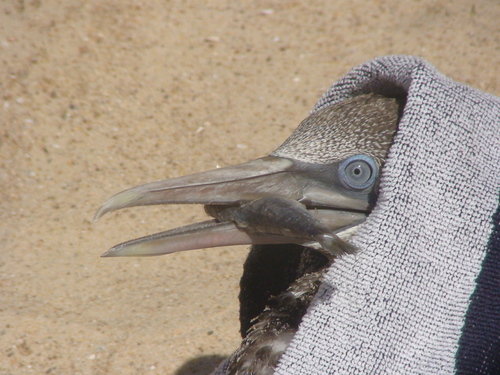
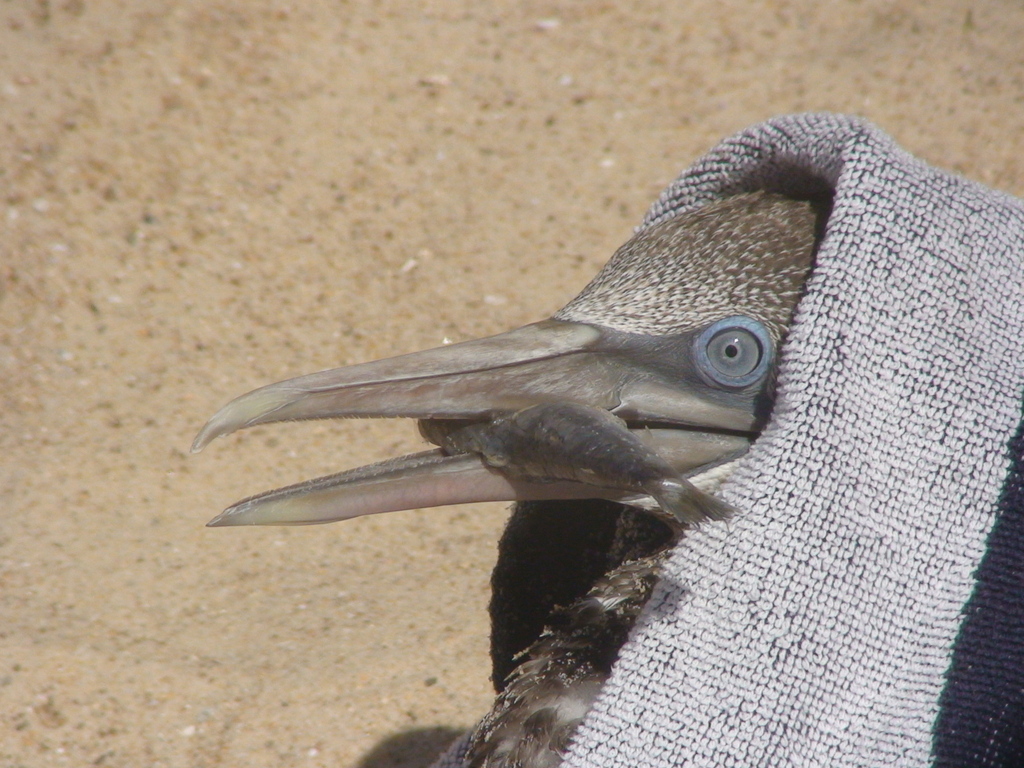
—observations
—countries
—peak records
Least ConcernConservation statusIUCN Red List categoriesLCNTVUENCREWEXLeast ConcernRed List categories, explained →
Diet & prey
- Atlantic Herring
- Atlantic Mackerel
- Sand Eel
Predators
- White-tailed Eagle
- Great Black-backed Gull
- Red Fox
ThreatsHighly pathogenic avian influenza, commercial fishing net entanglement, climate-driven prey shifts
HabitatsOpen ocean, coastal waters, rocky cliff ledges, offshore islands
Life span15–25 years
Classification
- OrderSuliformes
- FamilySulidae
- GenusMorus
- SpeciesMorus bassanus
Range data is not available yet.
Interaction riskLow
- Low
- Moderate
- High
- Very high
- Why interaction risk is low
- Sharp dagger-like bill can inflict severe cuts if a stranded bird is cornered or handled.
- Why it is dangerous
- Dagger-like serrated bill and strong neck muscles can cause deep lacerations and puncture wounds if the bird is handled or cornered.
- How to recognize a risky encounter
- Look for a large white seabird with black wingtips, a yellowish-buff head, and a long pointed blue-grey bill.
- What to do
- Maintain a safe distance at viewing sites; if rescuing a stranded individual, wrap it in a thick towel and contact professional wildlife rescuers.
Responsible observation
- Cliff Watching: Visit breeding colonies like Bass Rock or Cape St. Mary's between April and August to observe dense nesting grounds.
- Pelagic Trips: Take coastal boat tours off northern Atlantic waters to spot individuals plunge-diving near schooling fish.
- Observer Distance: Maintain a safe distance from cliff edges and avoid disturbing nesting pairs, as stressed birds may abandon eggs.
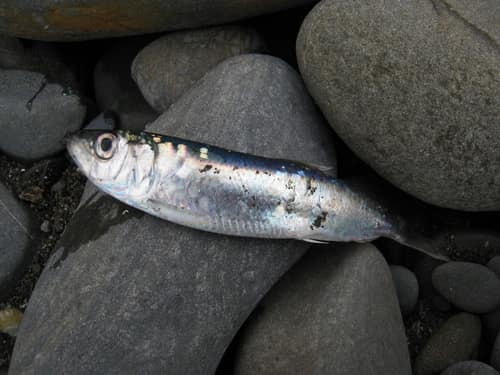
Prey (c) Simon Rolph, some rights reserved (CC BY), uploaded by Simon Rolph · cc-by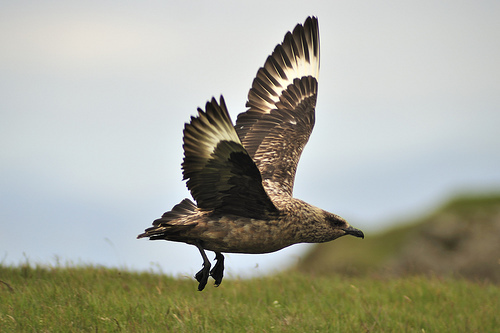
Competitor (c) Ulrich Latzenhofer, some rights reserved (CC BY-SA) · cc-by-sa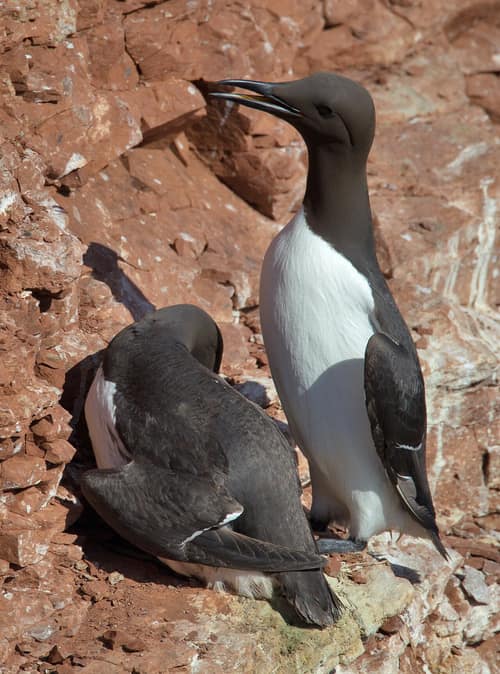
Frequent Companion Andreas Trepte / CC BY-SA 2.5 · cc-by-sa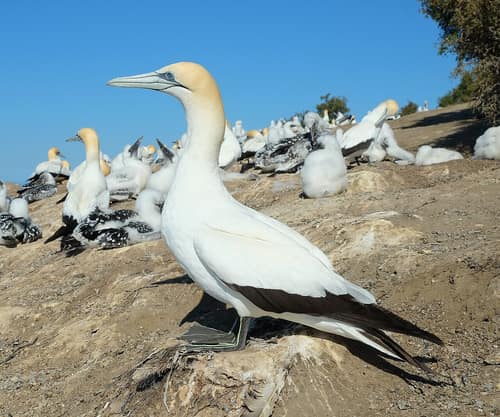
Close Relative Pseudopanax at English Wikipedia / CC BY 4.0 · cc-by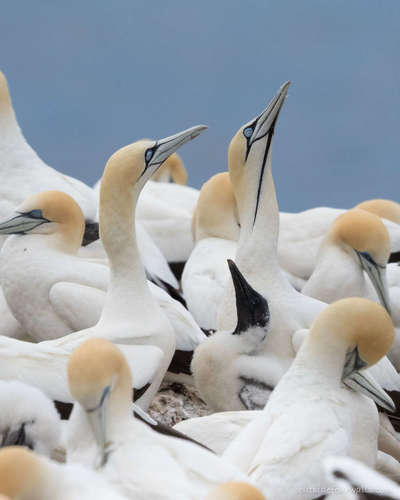
Close Relative (c) outsidefourwalls, some rights reserved (CC BY), uploaded by outsidefourwalls · cc-by
Help improve the field guideSomething wrong?
Checking your Fauna account…Report a name, category, or profile issue for review.